Leave Your Message

What Is an Electric Compost Machine and How Does It Work?

Food scraps are a daily waste problem, not an abstract environmental statistic. The United Nations Environment Programme reported that households generated 631 million tonnes of food waste in 2022, representing about 60% of global food waste. Much of it still enters mixed waste bins, where moisture and organic matter increase transport impacts and landfill pressure.

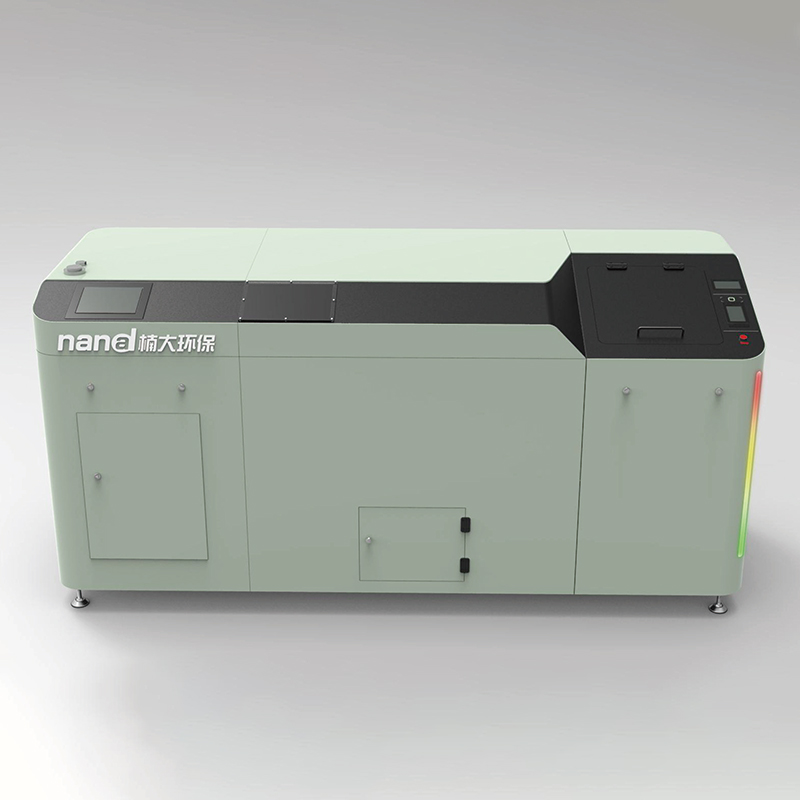
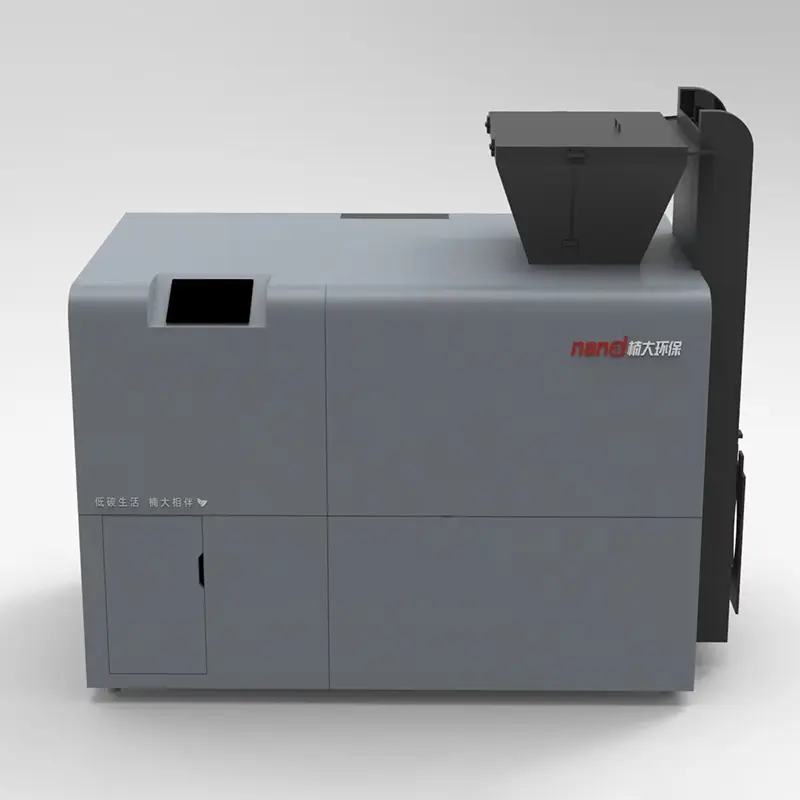
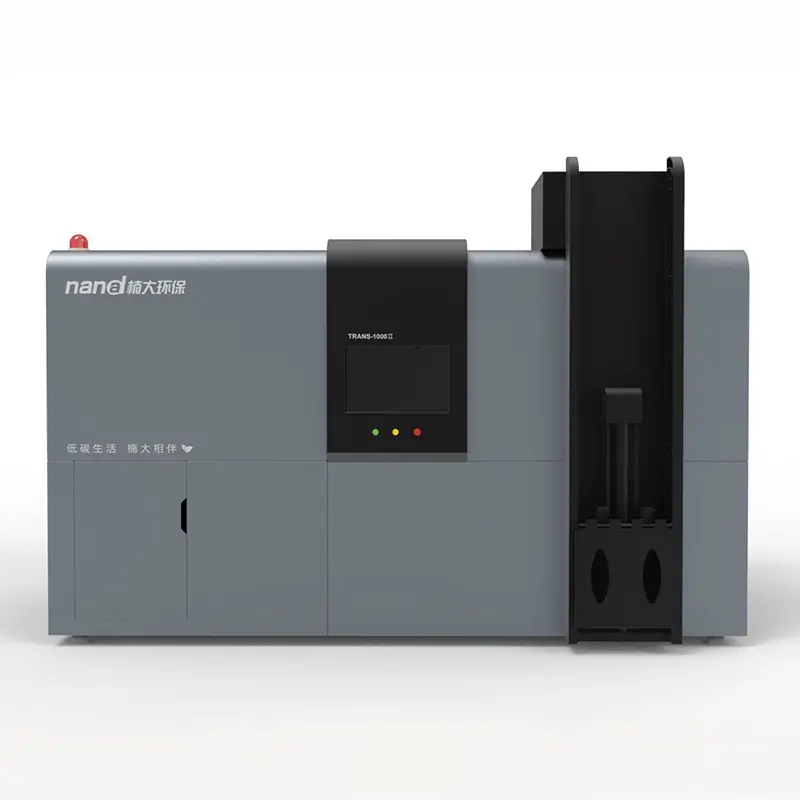
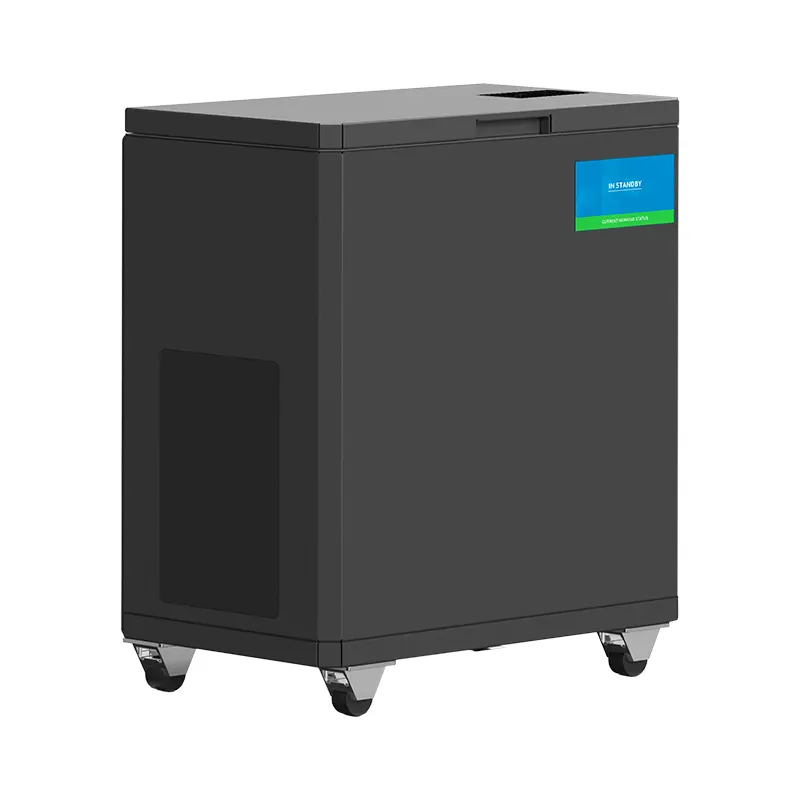
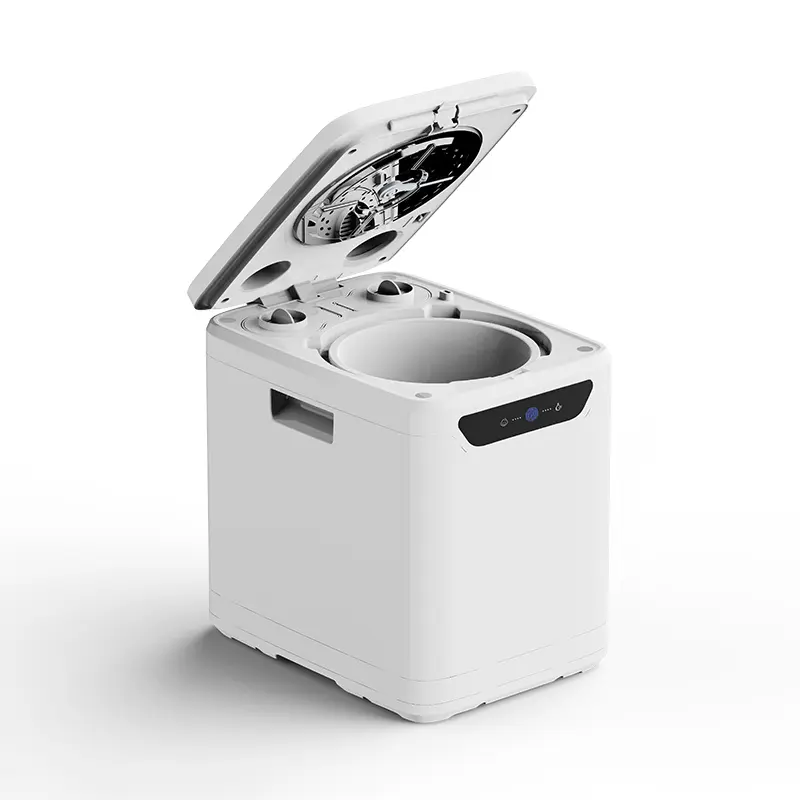
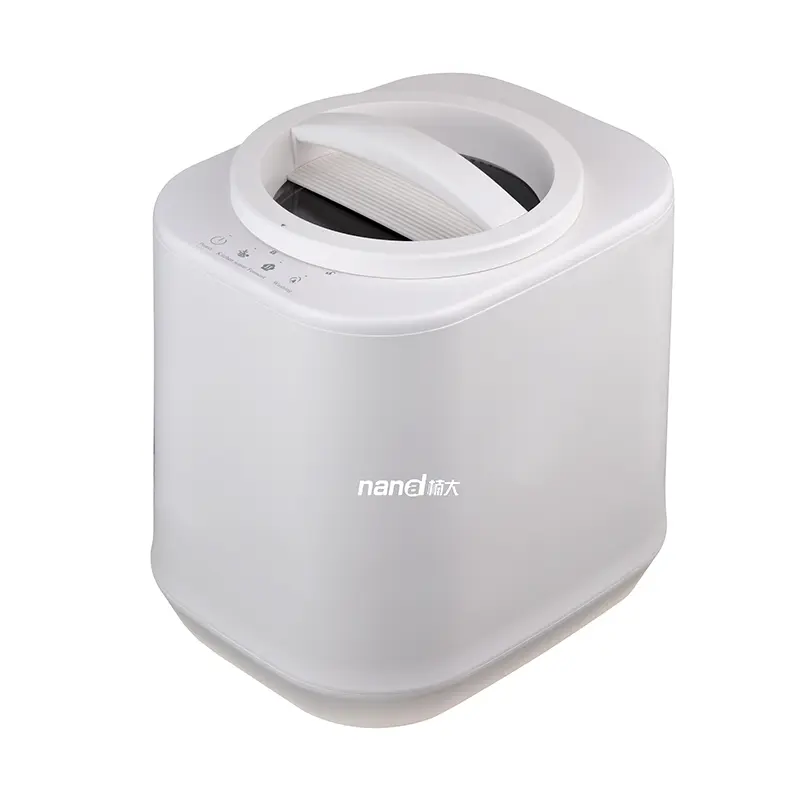
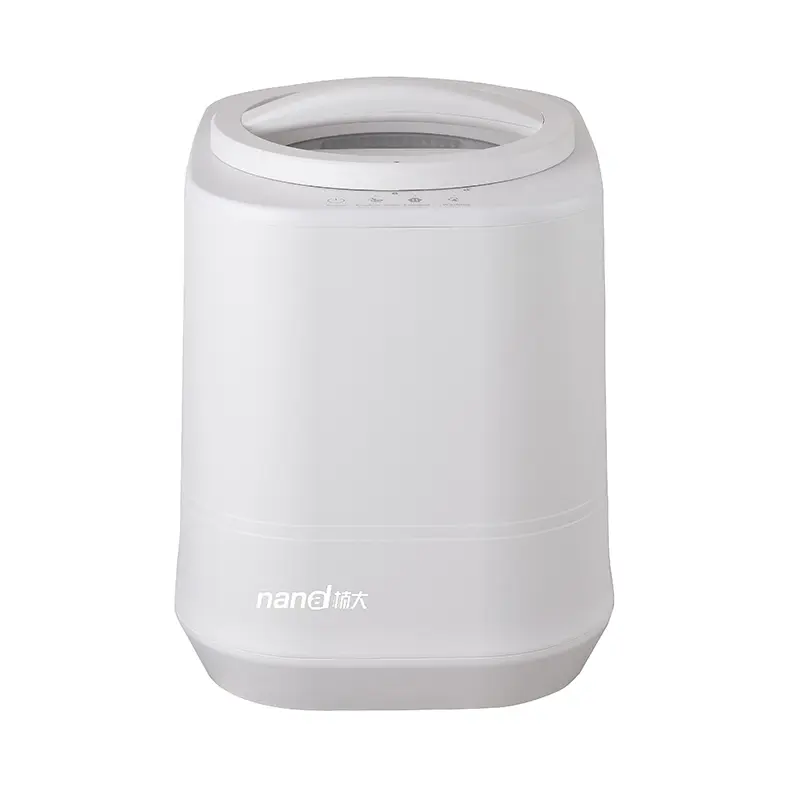
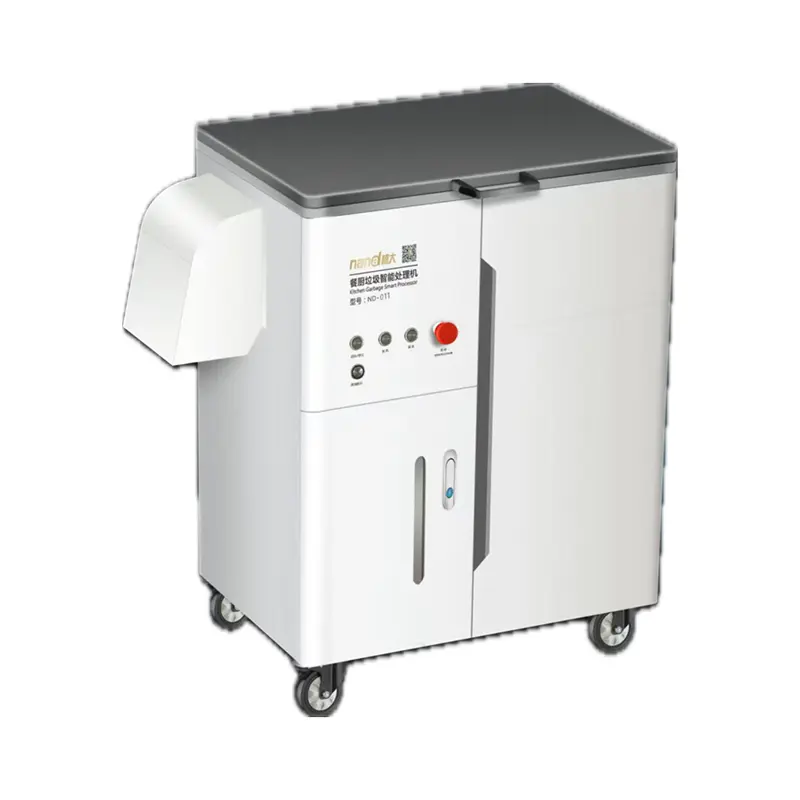
An Electric Compost Machine offers a compact alternative for kitchens, restaurants, and small workplaces. It usually combines grinding, heating, drying, and controlled airflow inside an insulated chamber. Scraps such as vegetable peels, coffee grounds, and eggshells are broken into smaller pieces. Heat reduces moisture, while aeration helps control odors. Some advanced units support microbial decomposition, rather than simple dehydration.

It is not magic.

The machine’s output may look like dark, dry soil, but appearance does not prove maturity. Many countertop models produce a dehydrated or partially processed material that still needs curing in soil or a separate composting system. The United States Environmental Protection Agency emphasizes that finished compost requires proper biological conditions, including balanced carbon, moisture, oxygen, and time. This distinction matters for gardeners and professional buyers.

The technology can reduce volume and make food-scrap handling cleaner. However, electricity use, filter replacement, noise, maintenance, and output quality deserve careful comparison. The World Bank’s What a Waste 2.0 report projects municipal solid waste could reach 3.40 billion tonnes annually by 2050 without stronger management systems. An Electric Compost Machine is not a complete waste solution. It is a practical treatment tool, and its real value depends on correct operation, responsible energy use, and where the processed material finally goes.
What Is an Electric Compost Machine and How Does It Work?

What Is an Electric Compost Machine?

An electric compost machine is an appliance that processes food scraps indoors. It uses electricity, controlled heat, airflow, and mechanical mixing. Some models also grind the material into smaller pieces. This process reduces volume and speeds decomposition compared with a traditional outdoor pile.

The machine usually accepts vegetable peels, fruit leftovers, coffee grounds, and small amounts of cooked food. Inside, a chamber warms the scraps while a motor stirs them. Moisture leaves through ventilation, and a replaceable filter helps control odors. The finished material often looks like dry, dark crumbs. It may not be fully mature compost yet. Not quite soil.

From practical use, the machine performs best with balanced loads. Excessively wet scraps can create clumps and unpleasant smells. Too many oily foods may slow processing and require extra cleaning. I would also check the manual before adding bones, large pits, or tough fibers. Settings and acceptable materials vary between machines. Odor still matters.

The output can be mixed into garden soil after further curing, depending on its texture and smell. Some households use it as a pre-composting material instead. Electricity use is another detail worth tracking, especially with frequent cycles. A machine can make food-scrap handling cleaner, but it does not remove the need for careful sorting, regular cleaning, and realistic expectations.
How an Electric Compost Machine Processes Food Waste

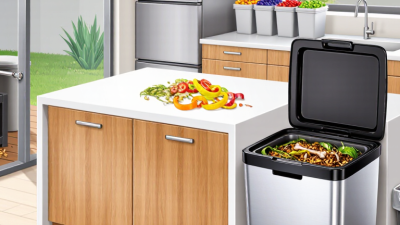
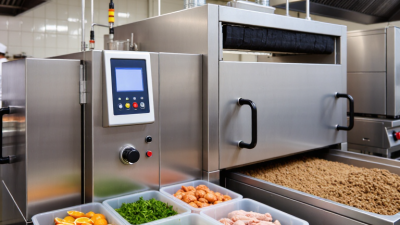
An electric compost machine processes food waste inside a sealed chamber. It does not simply “make compost” instantly. The machine first receives scraps such as vegetable peels, fruit cores, coffee grounds, and small bones. Large pieces may be chopped by rotating blades. This increases the surface area for heat and microbial activity.

The machine first receives scraps and prepares them for processing.

A heating system then raises the chamber temperature and removes moisture. Warm air moves through the material while sensors monitor heat and humidity. Some machines add controlled aeration, which supports aerobic microorganisms and reduces unpleasant odors. A carbon filter may capture strong smells before air leaves the chamber. The waste gradually becomes lighter, drier, and finer. The process can take several hours, depending on the food type and the machine’s settings.

The resulting material is not always finished compost.

Often, it resembles a dry soil amendment that still needs curing in a suitable compost pile or garden system. Oily food, excess liquid, or large bones may slow processing. I have found that mixed scraps produce more consistent results than one wet food alone.

Even accurate sensors cannot remove every variable. Household habits, cleaning routines, and electricity use still affect performance. The machine helps reduce volume, but it does not replace careful waste separation.

Key Components Inside an Electric Compost Machine

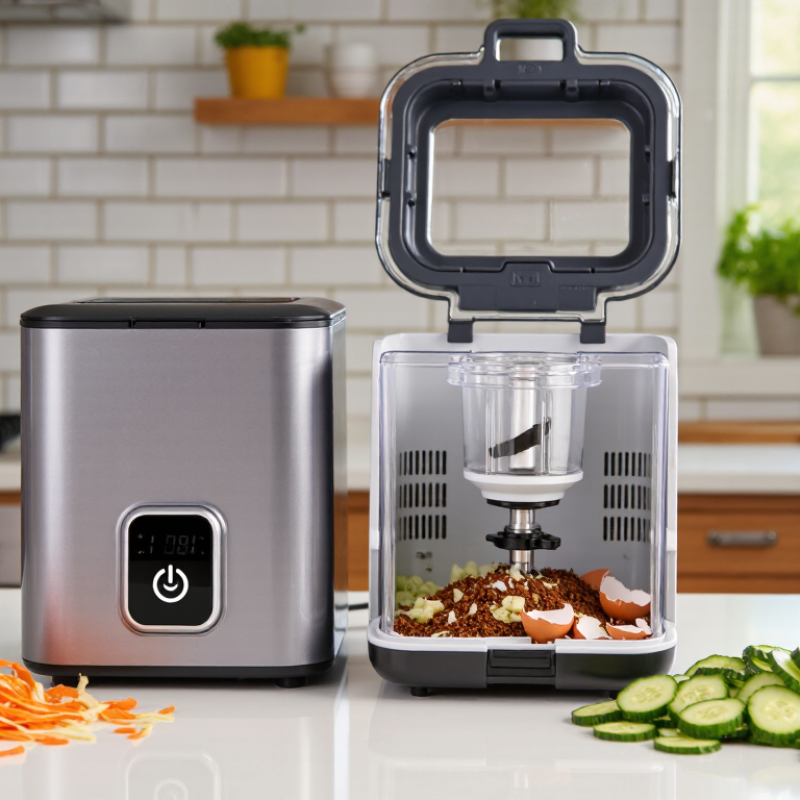
An electric compost machine combines mechanical processing, controlled heat, airflow, and sensors in one compact chamber. The grinding unit usually contains rotating blades or an auger. It breaks food scraps into smaller pieces, increasing the surface area for moisture removal. A heating element then raises the chamber temperature, while a fan moves warm air across the material.

It is not magic.

A moisture sensor monitors the drying cycle, and a temperature sensor helps prevent overheating. A control board adjusts heating, motor speed, and ventilation according to the material’s condition. Many units also include a replaceable carbon filter, which reduces odors from onions, coffee grounds, and other strong scraps.

The finished material often resembles dry soil, but it may not be mature compost. Microbial curing can still be necessary.

The need is substantial. The UNEP Food Waste Index Report 2024 estimates that households generated 60% of the 1.05 billion tonnes of food wasted globally in 2022. The U.S. Environmental Protection Agency’s 2023 Wasted Food Scale also places prevention and food recovery above composting.

This suggests that a machine should support better kitchen habits, not excuse unnecessary waste. In practical use, greasy food, excess liquid, and fibrous stems may slow the cycle or leave uneven results. Cleaning the chamber and checking the filter remain essential, although manufacturers do not always emphasize that workload.

Types of Materials It Can and Cannot Process

An electric compost machine uses heat, airflow, and mechanical grinding to reduce food waste. Inside the chamber, a rotating blade breaks scraps into smaller pieces. Warm air removes much of their moisture. Some models produce a dry, crumbly material within several hours. However, this material may not be finished compost. It often needs outdoor curing before plants can safely use it.

These machines usually handle fruit peels, vegetable trimmings, cooked grains, bread, coffee grounds, and small amounts of eggshell. Soft leftovers work best. Chop larger pieces first. A banana peel should not sit in one long strip. Small pieces dry more evenly and reduce strain on the motor. Limited meat or fish may be acceptable in certain machines, but users should check the operating guide carefully. Oils and dairy can create odors and sticky residue.

Some materials should stay outside the chamber. Do not add plastic, glass, metal, stones, chemical cleaners, or treated wood. Large bones can damage the grinding system. Pet waste may contain pathogens and requires separate handling. Excessive oil can coat the filter and restrict airflow. I would also avoid compostable packaging unless the instructions clearly permit it. Labels can be confusing, and “compostable” does not always mean machine-safe. The process is convenient, but it still demands sorting, cleaning, and honest attention to what goes inside.

Electric composters commonly accept moist food scraps and other small organic materials, then reduce their volume through heating, drying, grinding, and aeration. Plastics, glass, metal, free liquids, and large bones are generally excluded. Exact limits vary by model, so always check the appliance instructions.

Benefits, Limitations, and Everyday Maintenance

What Is an Electric Compost Machine and How Does It Work?

An electric compost machine uses heat, airflow, and controlled mixing to process food scraps. A small motor turns the chamber, while sensors regulate temperature and moisture. Depending on the model, the cycle may take several hours or more than a day. The output is usually a dry, crumbly material, not fully matured compost. It may still need curing before use in garden soil.

The benefits are practical. Odors are reduced, scraps take up less space, and kitchen waste becomes easier to handle. This can help households with limited outdoor space. However, the machine is not magic. It uses electricity, creates noise, and requires regular cleaning. Bones, plastic, excessive liquids, and large amounts of oil can damage performance. Some processed material may also contain too much salt or acidity for direct plant use. Check the instruction manual and local composting guidance. I would not place it around seedlings immediately. That shortcut can disappoint.

Tips: Empty the collection container before it becomes heavy. Wipe the lid and sensors with a damp cloth each week. Remove stuck scraps from the mixing area. Keep the air vents clear of dust. If the material smells sour, reduce wet scraps and add approved dry material. A simple maintenance log helps, although many people forget to keep one. That is a small weakness worth correcting.