Best China Home Composter Machine for Global Buyers?
Choosing the Best China Home Composter Machine for Global Buyers requires more than comparing prices and product photos. A suitable machine should handle daily kitchen scraps, operate safely, and produce stable compost without creating unpleasant odors. Buyers should inspect processing capacity, cycle duration, noise levels, energy use, cleaning access, and after-sales support. A compact unit may fit neatly beside a balcony sink, while a larger model may serve a family, café, or small community kitchen.
Dr. Sally Brown, a respected composting researcher and author, says, “Compost is not a waste product; it is a resource.” This principle helps place the Home Composter Machine in its proper context. The machine does not replace good composting practice. Moisture, carbon balance, temperature, and input size still influence the final result. Dry leaves, food scraps, and coffee grounds may need different treatment. Small mistakes can matter.
Global buyers also need clearer evidence than attractive claims. Independent test reports, warranty terms, electrical certifications, and real user feedback deserve careful attention. A machine advertised as “odorless” may still smell when overloaded. A “fast” cycle may produce partially processed material. That is not necessarily failure, but it requires further curing. We will compare leading China-made options through practical use, technical specifications, and supplier reliability. The results may not satisfy every buyer. That is the point. A careful choice should match local power standards, climate, household habits, and realistic composting expectations.
What Is a China Home Composter Machine?
What Is a China Home Composter Machine?
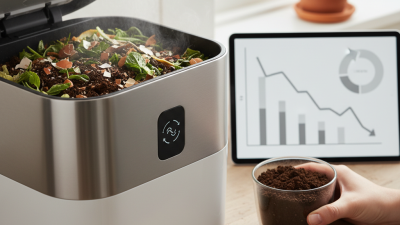
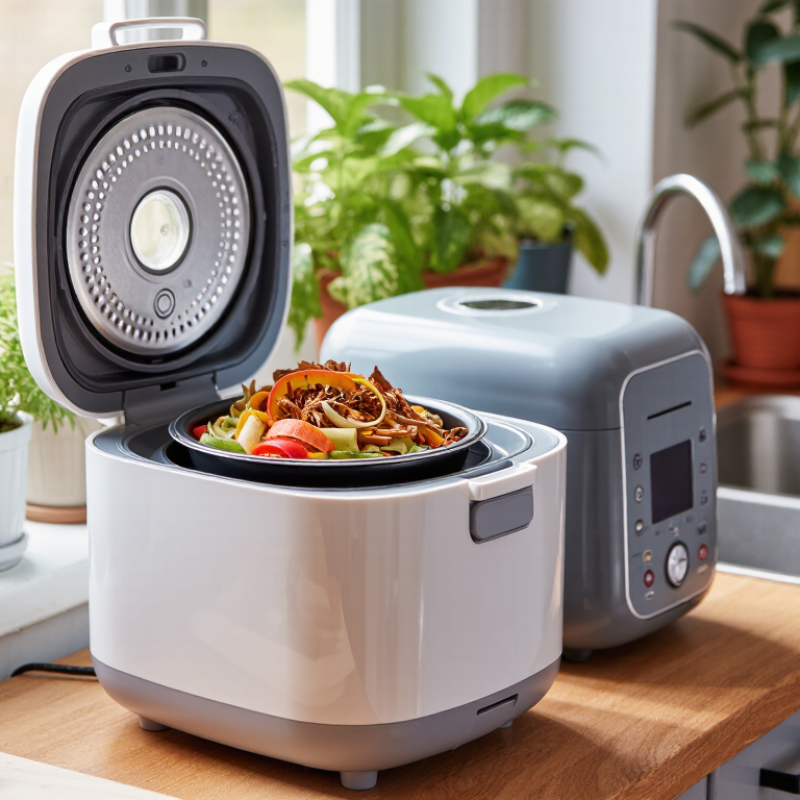
A China home composter machine is a compact appliance designed to process household food scraps indoors. It usually combines grinding, heating, drying, and airflow in one sealed chamber. The machine can reduce vegetable peels, fruit leftovers, coffee grounds, and other suitable organic waste.
It is not always a complete composting system. Many models produce a dry, soil-like material rather than mature compost. This output may need further curing before garden use.
In practical homes, a small unit can reduce the volume of daily food waste within several hours. A typical cycle may leave a warm, dark mixture with a toasted smell. That detail matters.
Good machines should control temperature, moisture, odor, and noise. Buyers should check chamber capacity, filter replacement costs, power requirements, and local electrical standards. A 110-volt appliance may not suit a 220-volt household. Safety certification also deserves careful attention.
Some machines accept small bones, while others do not. Excess oil, large shells, or wet leftovers may cause poor results.
I would avoid trusting broad “all waste” claims without reading the manual. The output can look ready before it is biologically stable. That is an easy mistake.
A reliable supplier should provide clear instructions, test information, warranty terms, and spare-part support. Performance also depends on daily habits, not only the machine.
Key Features to Compare Before Choosing a Model
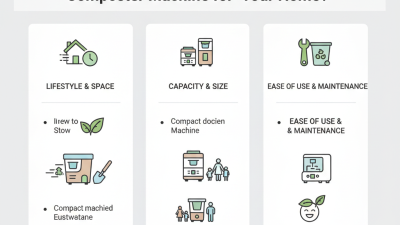
Choosing the Best China Home Composter Machine for Global Buyers requires more than comparing price and appearance. Start with daily capacity, measured in kilograms, and match it to your household’s food waste. A compact kitchen unit may suit two people, while larger families need stronger processing chambers. Check cycle time, power consumption, and noise levels. A machine running beside a dining area should not sound like a workshop. Moisture control also matters. Wet scraps can create odors, while dry materials may slow decomposition.
Look for removable parts, accessible filters, and simple cleaning procedures. Clear error alerts improve reliability, especially for first-time users. Global buyers should verify voltage, plug compatibility, warranty coverage, spare-part access, and user manuals in suitable languages. Safety features deserve close attention, including overheating protection and secure lids. I once focused too much on processing speed. That was a poor measurement. Finished material quality and daily convenience often matter more.
Tips: Ask for independent test data, not only promotional figures. Request videos showing a full operating cycle. Compare output texture, odor control, and actual energy use. Confirm whether the machine accepts meat, bones, oily food, or only plant scraps. Claims can be vague. A local service partner may be worth a slightly higher purchase price. Also, leave ventilation space around the unit; crowded cabinets can reduce performance.
Safety, Certifications, and Global Import Requirements
Best China Home Composter Machine for Global Buyers?
Safety, Certifications, and Global Import Requirements
A safe home composter needs more than a strong motor and attractive product photos. Check insulation, overheating protection, grounding, odor control, and moving-part guards. Request recent test reports, not only certificate images. Electrical models may require EMC and low-voltage testing in the destination market. Requirements differ across the European Union, North America, Australia, and other regions. A “CE certified” claim should include a traceable declaration and technical file. The label alone proves very little.
Look for clear operating instructions, warning labels, voltage details, and maintenance procedures. Food-waste contact materials should be identified and supported by suitable safety documentation. Ask whether the unit handles wet scraps, bones, or only plant waste. Misuse can cause leaks, smells, or overheating. Small details matter.
Import preparation also requires practical paperwork. Confirm the correct HS code with a customs broker before shipment. Prepare the commercial invoice, packing list, transport documents, and certificate of origin when required. Some markets may require importer registration, extended producer responsibility, or electronic-waste compliance. Local plug standards and language rules can also delay clearance. A supplier’s general export experience helps, but it does not replace destination-country verification. The process is not perfectly neat. Recheck every document. A missed voltage declaration or incomplete manual may create expensive delays. A careful buyer should compare factory quality records, independent testing, warranty terms, and spare-part availability before placing an order.
Best China Home Composter Machine for Global Buyers
Safety, certifications, and global import requirements by destination market
Chart: nominal household supply voltage commonly used in major destination markets. Always confirm the buyer’s exact installation requirements before shipment.
European Union
Check CE conformity, applicable electrical safety rules, RoHS substance restrictions, and WEEE obligations before placing the machine on the market.
United Kingdom
Confirm whether the product follows the current GB CE or UKCA route, and prepare technical documentation, instructions, and importer details.
United States and Canada
Verify applicable FCC requirements for electronic emissions, local electrical-safety expectations, labeling, plug configuration, and importer documentation.
Pre-shipment checklist
Request the risk assessment, test reports, declaration of conformity, user manual, material information, packaging marks, and country-specific warranty terms.
Voltage references are based on commonly used nominal household supplies reported by international electrical standards and plug-type references. Certification obligations depend on the machine design, wireless functions, sales channel, and destination regulations.
How to Select the Best Supplier for Your Target Market
Selecting the best China home composter machine starts with your target market, not the lowest quotation. A compact apartment unit may need quiet operation, while suburban households may value larger capacity. Define daily food waste, available space, power supply, and acceptable processing time before contacting suppliers. Small details matter.
Ask each supplier for test reports, material specifications, operating manuals, and warranty terms. Confirm whether the machine suits local voltage, plug standards, and household safety requirements. Request a live demonstration using common waste, such as vegetable peels, coffee grounds, and eggshells. A polished video is useful, but it cannot replace independent testing. Check production records, quality-control procedures, and export experience for similar markets.
After-sales support often separates a dependable supplier from a risky purchase. Clarify spare-part availability, response times, remote troubleshooting, and technician training. Ask how defects are recorded and resolved. No supplier is perfect. I would treat vague answers as a warning, even when the sample performs well. One overlooked issue, such as excessive noise or difficult filter replacement, can create returns and poor reviews. Compare total landed cost, not only the factory price, including packaging, shipping, duties, testing, installation, and service. A supplier willing to adapt manuals, packaging, and user instructions for your customers usually demonstrates stronger market awareness. Still, verify every promise in writing.

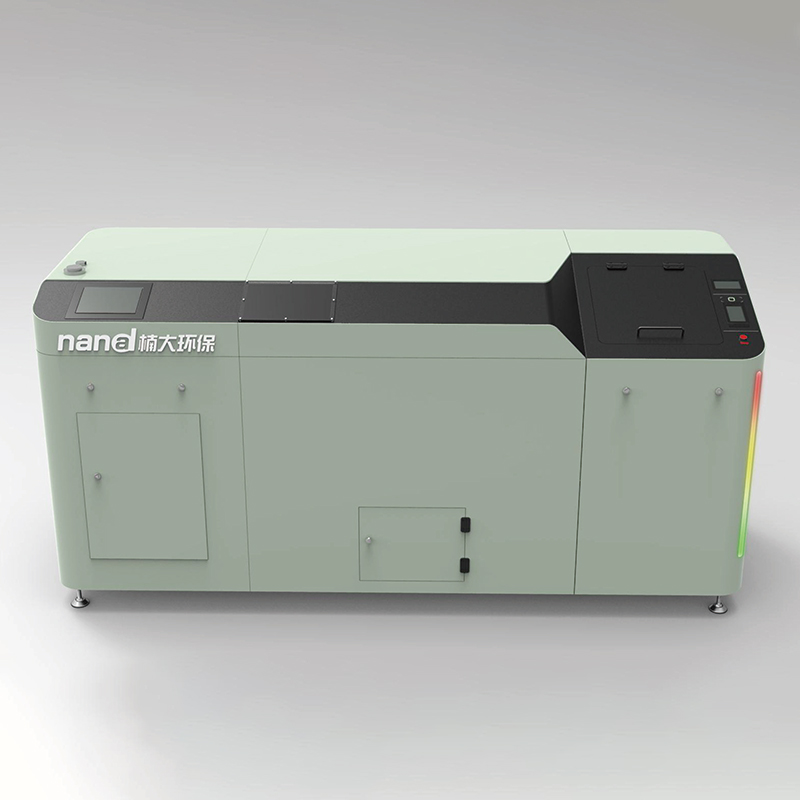 Nanda Trans Series-200
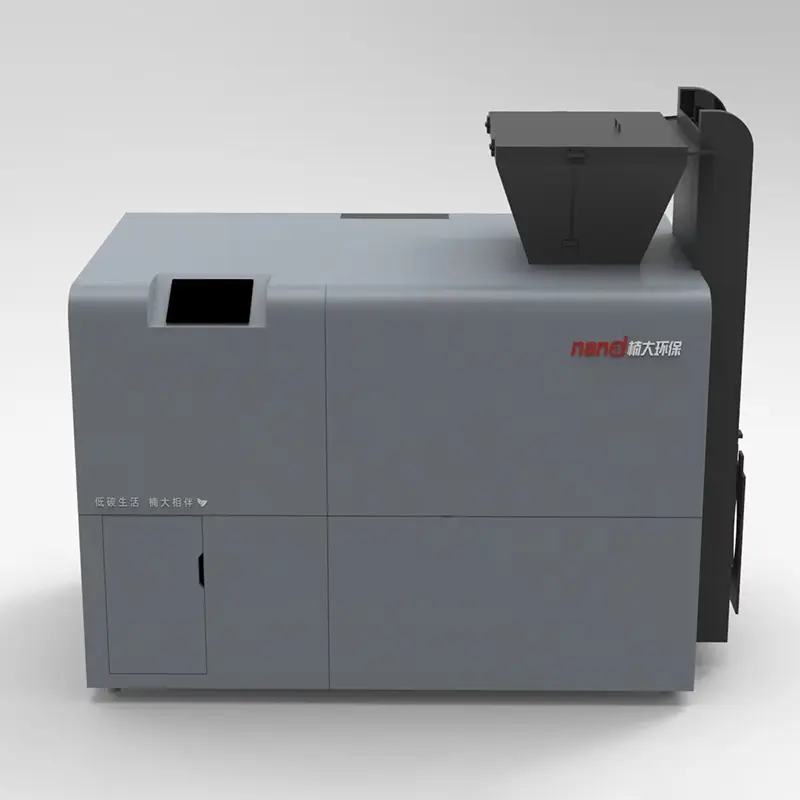 Nanda Trans Series-500
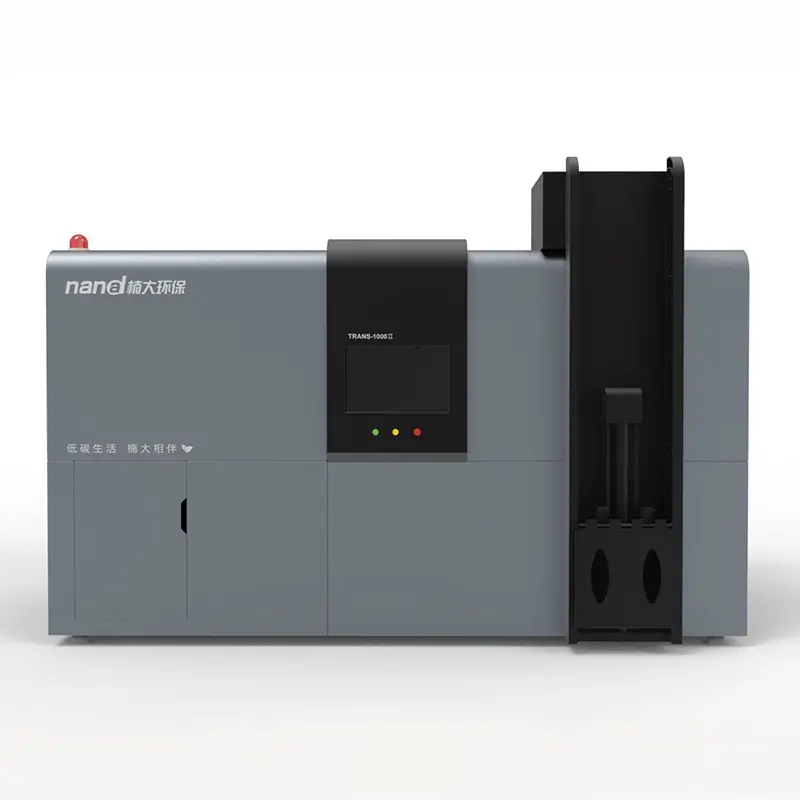 Nanda Trans Series-1000
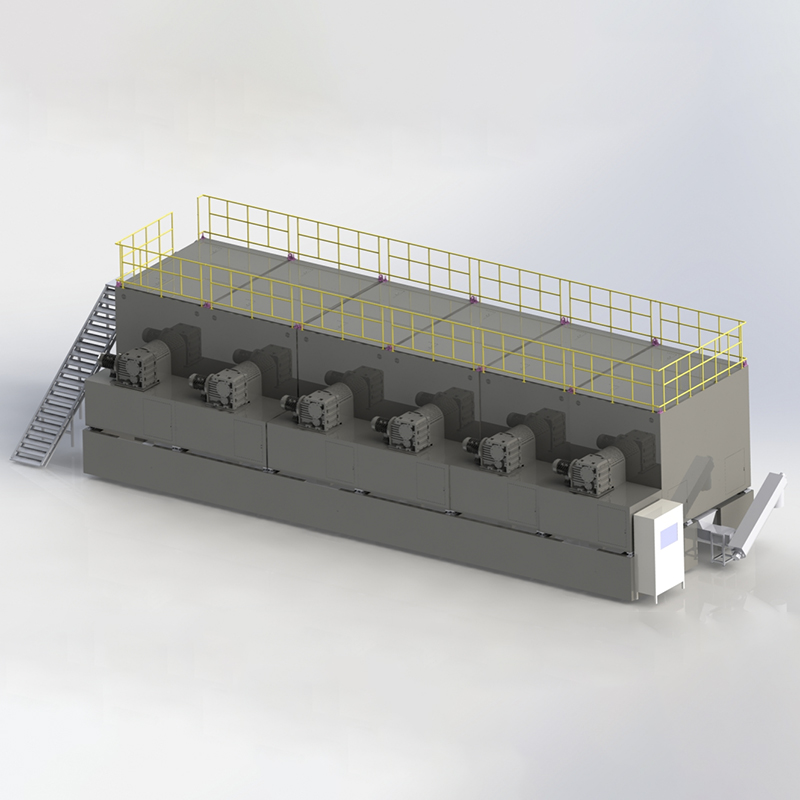 Nanda Trans Series-30000
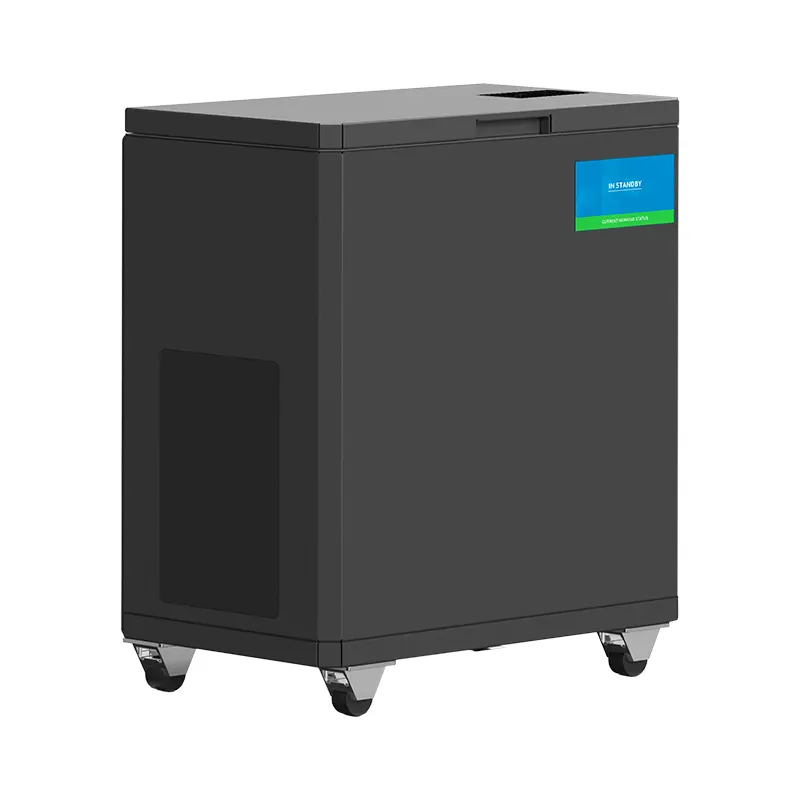 Nanda Thermax Series-100
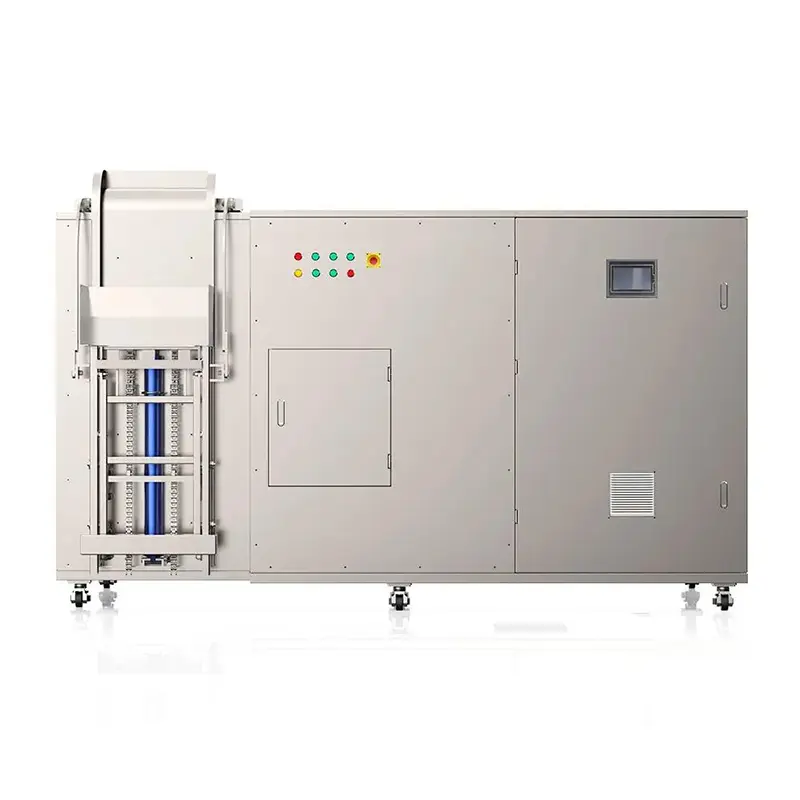 Nanda Thermax Series-200
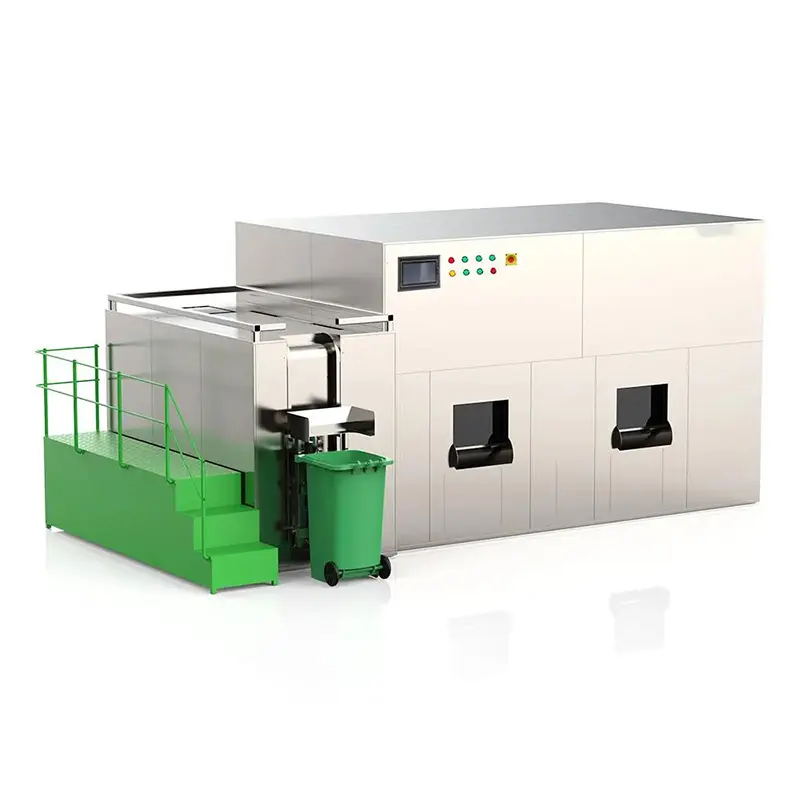 Nanda Thermax Series-2000
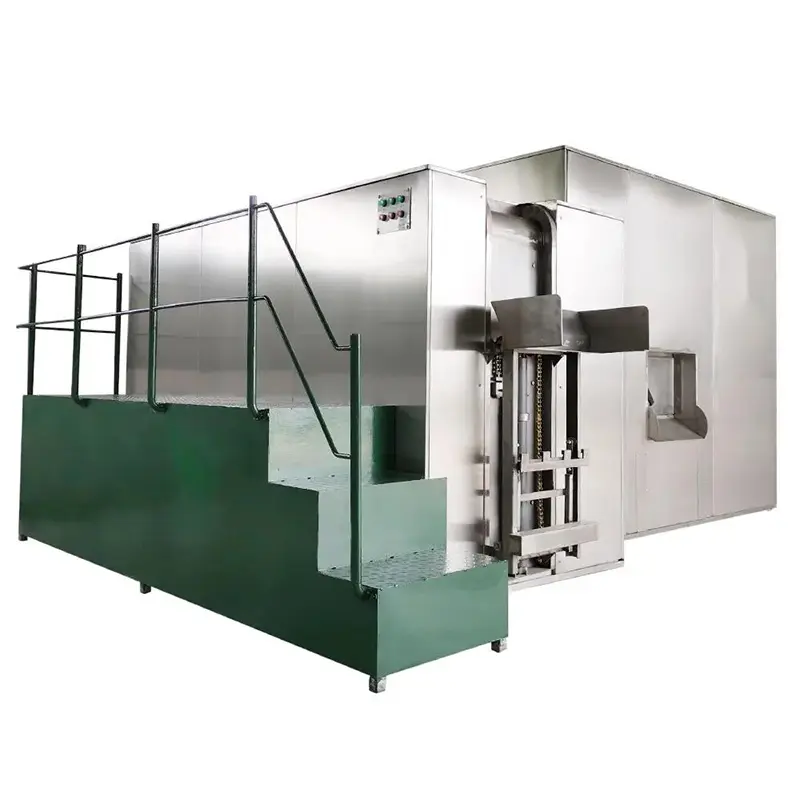 Nanda Thermax Series-10000
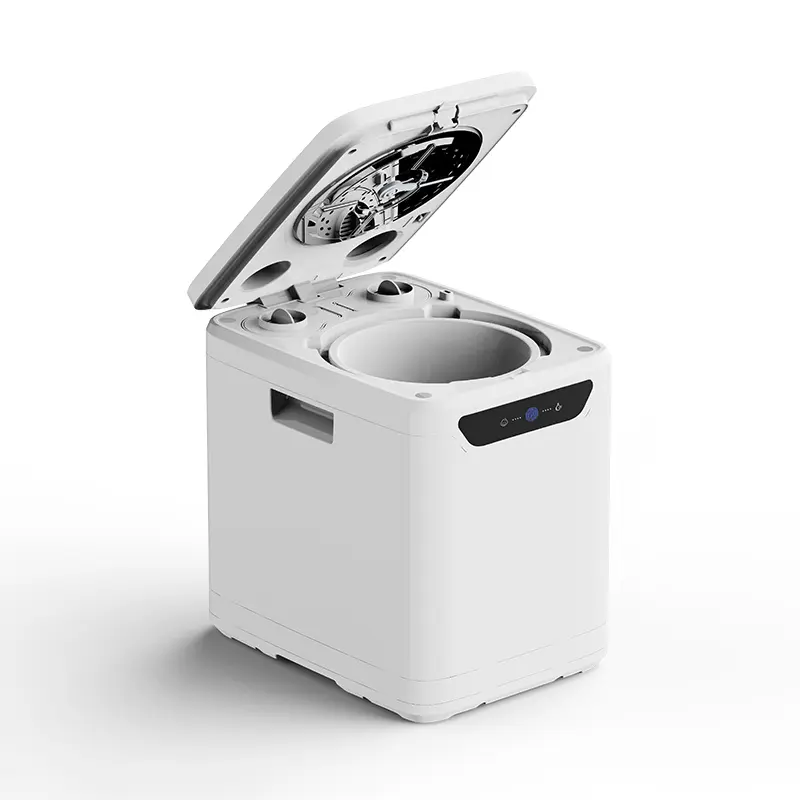 Nanda Turbo Series-3.5L-016
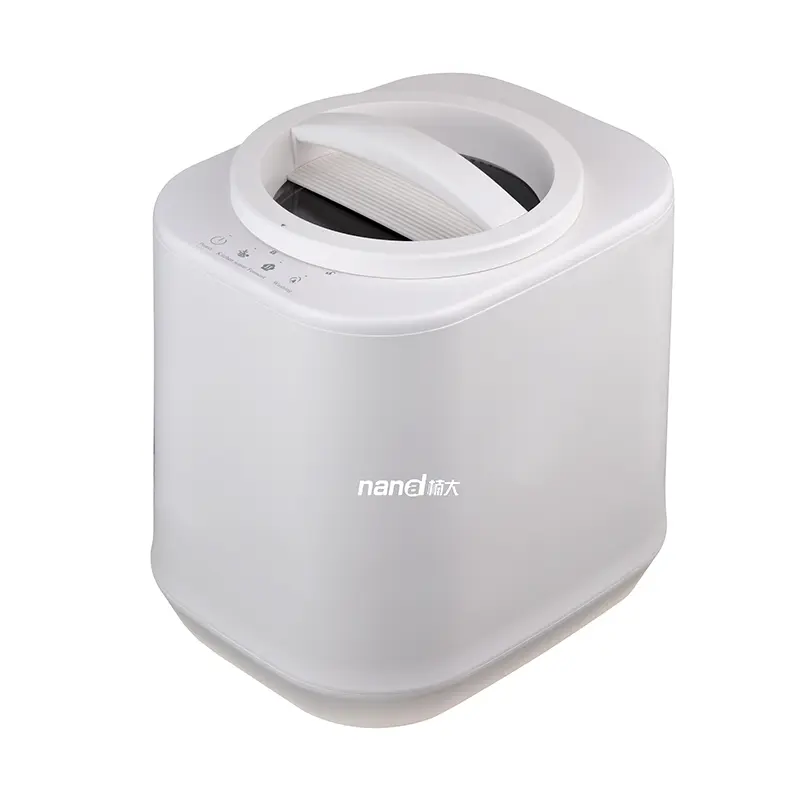 Nanda-Turbo Series-4L-011
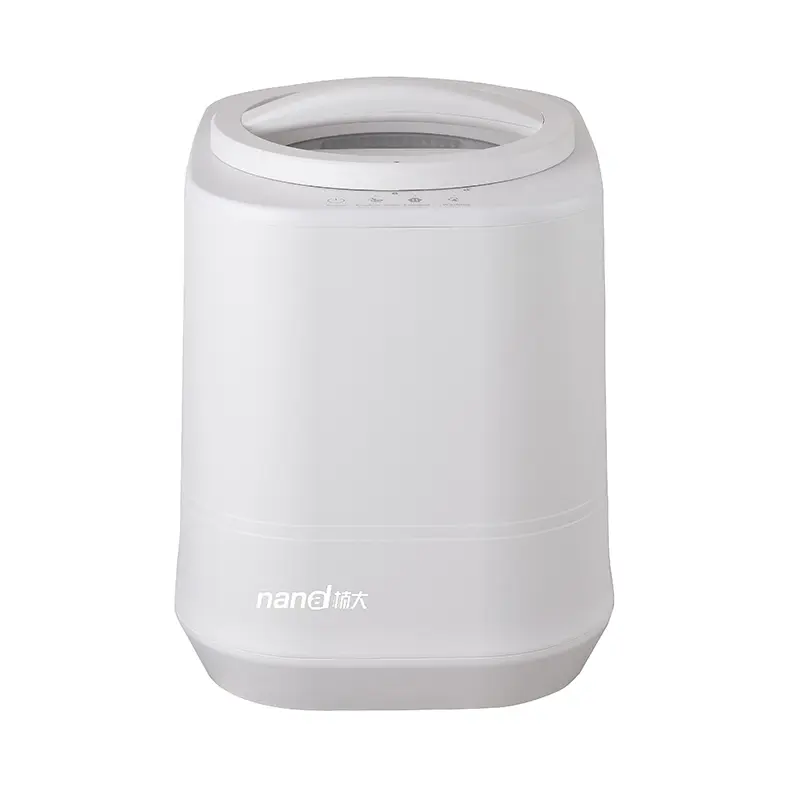 Nanda Turbo Series-4L-012
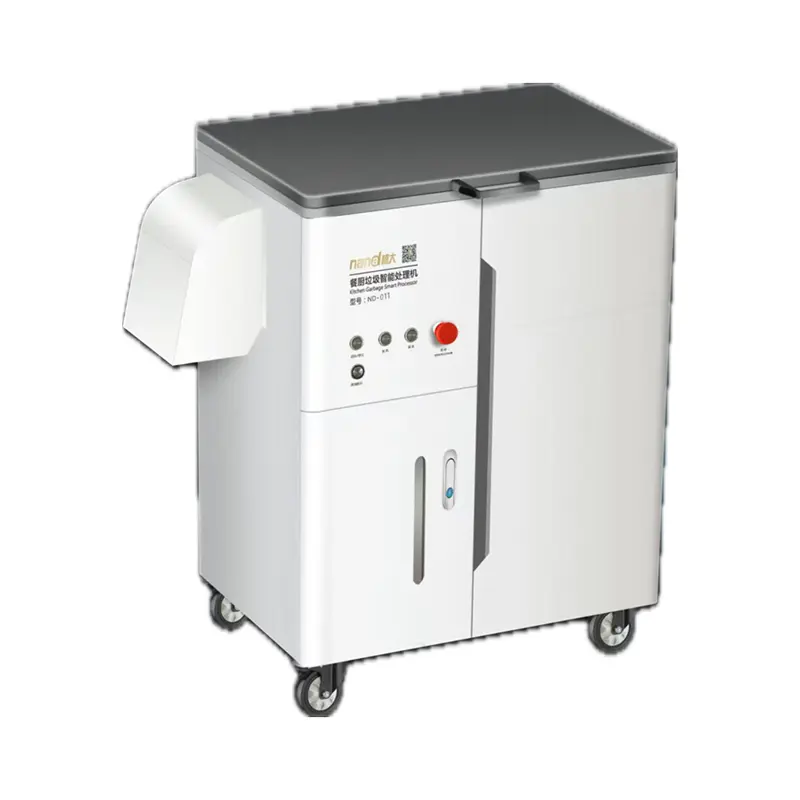 Oil-Water Separator