Leave Your Message

China Best Compost Machine Manufacturer and Supplier

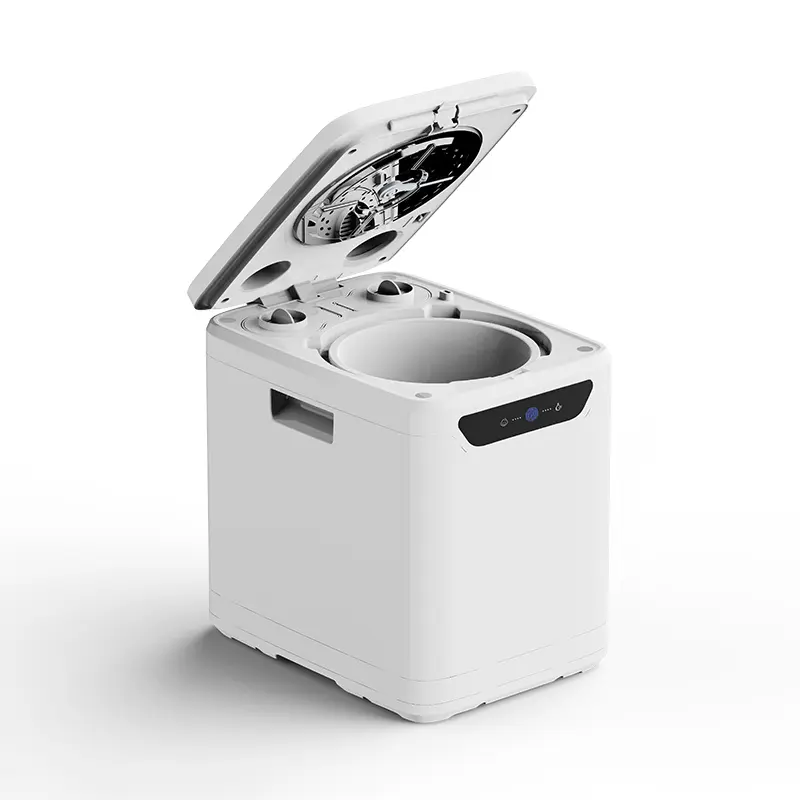
Choosing a China Best Compost Machine Manufacturer and Supplier requires more than comparing prices. Composting performance depends on feedstock, moisture, climate, labor, and production goals. A reliable supplier should understand these variables before recommending equipment. There is no universal machine.

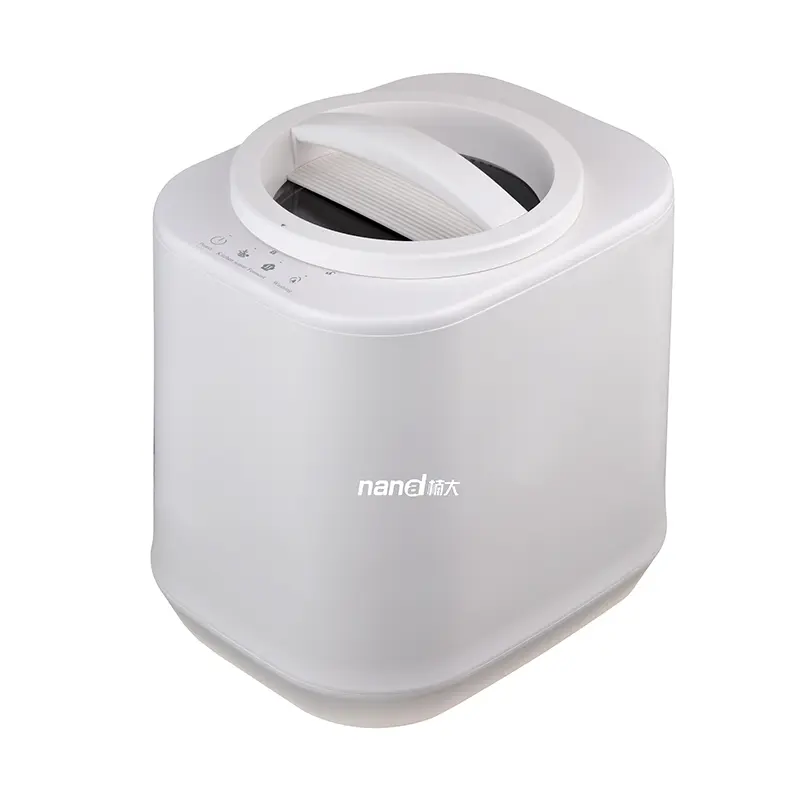
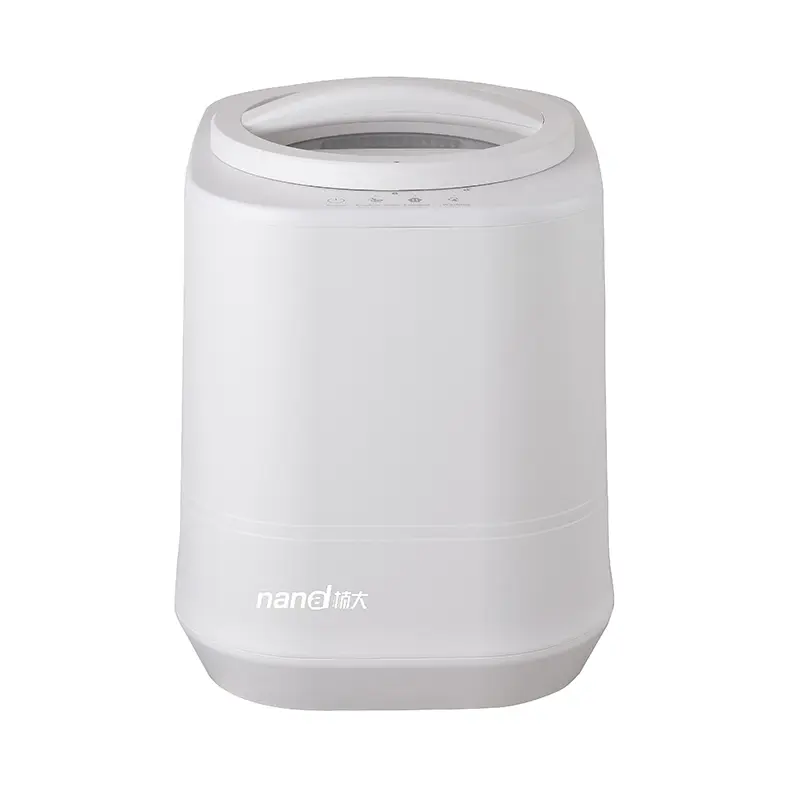
An experienced manufacturer can provide practical guidance for food waste, livestock manure, garden residues, and mixed organic materials. The right Compost Machine should support stable aeration, controlled moisture, and consistent turning. Operators may need to check temperature, odor, and particle size every day. Small details matter. A dry mixture may slow decomposition, while excessive moisture can create compacted zones and unpleasant smells.

Professional suppliers should explain capacity, power use, maintenance needs, and expected output clearly. Factory records, material specifications, test procedures, and responsive after-sales support help build trust. Customer references and site-specific trials can offer stronger evidence than broad promises. However, even a well-designed system may require adjustment after installation. Local feedstock changes. Seasonal weather changes too. A dependable China supplier should acknowledge these limitations and help improve the process through training, spare parts, and technical communication. This introduction examines manufacturer experience, machine design, quality control, customization, and service reliability. It also considers how buyers can select equipment that fits real operating conditions, not just impressive catalog figures. Practical results deserve attention. Better decisions usually begin with honest questions and measurable expectations.
China Best Compost Machine Manufacturer and Supplier

Compost Machine Fundamentals: 55–65°C, 50–60% Moisture, and 25:1–30:1 C:N

China Best Compost Machine Manufacturer and Supplier

Compost machine fundamentals start with heat, moisture, and carbon balance. A stable pile should reach 55–65°C during active composting. This range supports rapid decomposition and reduces many unwanted organisms. Temperatures above 65°C may slow beneficial microbial activity. I have seen operators add too much dry material after one hot reading. That often creates uneven zones inside the chamber.

Moisture should usually remain between 50% and 60%. A handful of material should feel like a wrung-out sponge. If it drips, the mixture is too wet. If it falls apart like dust, add water gradually.

The carbon-to-nitrogen ratio works best around 25:1–30:1. Dry leaves, straw, and wood chips provide carbon. Food scraps and fresh grass provide nitrogen.

A practical machine should mix these materials evenly, not merely spin them. Poor mixing can leave wet pockets and cold edges. That detail is easy to miss.

Tips: Check temperature at several depths. Turn or mix when readings differ sharply. Adjust moisture in small amounts. Record each batch, even imperfect ones. Records reveal patterns that memory often hides. Avoid chasing one perfect number. Real feedstock changes daily.

China’s Compost Equipment Types: 1–10 t/day Units and 100+ t/day Systems

China Best Compost Machine Manufacturer and Supplier

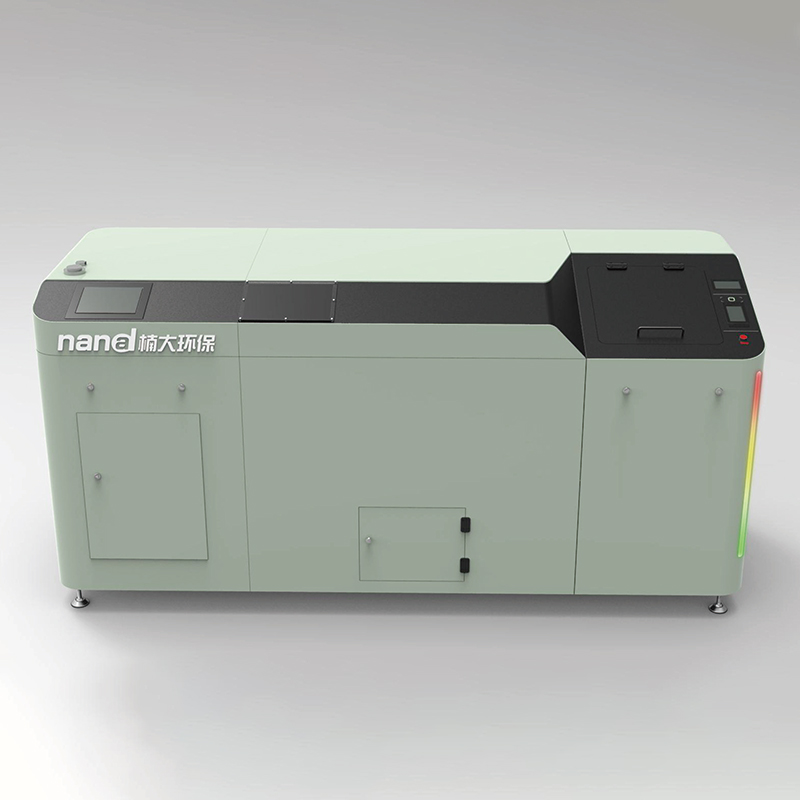
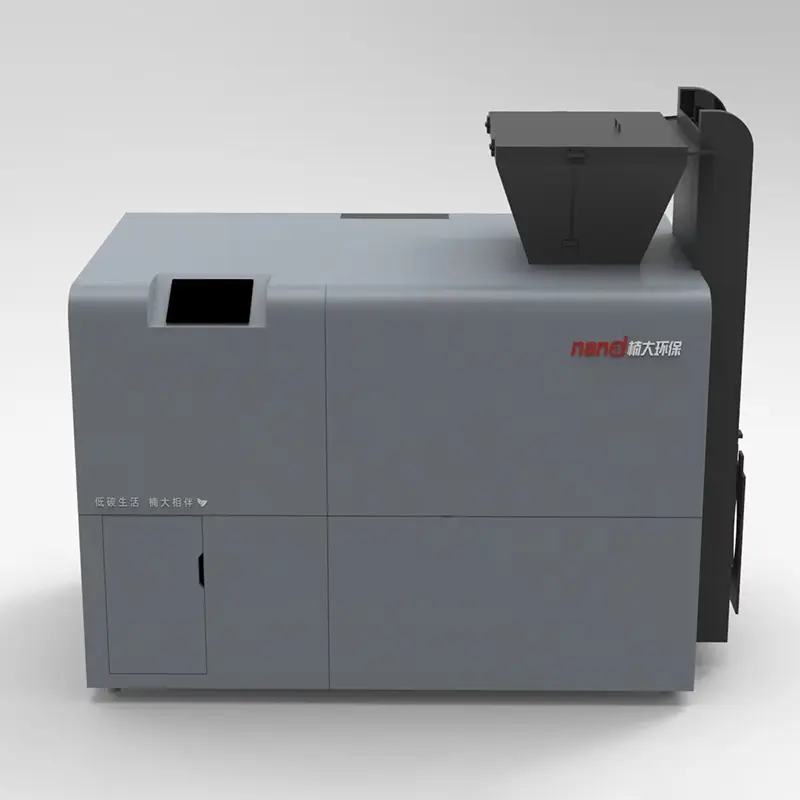
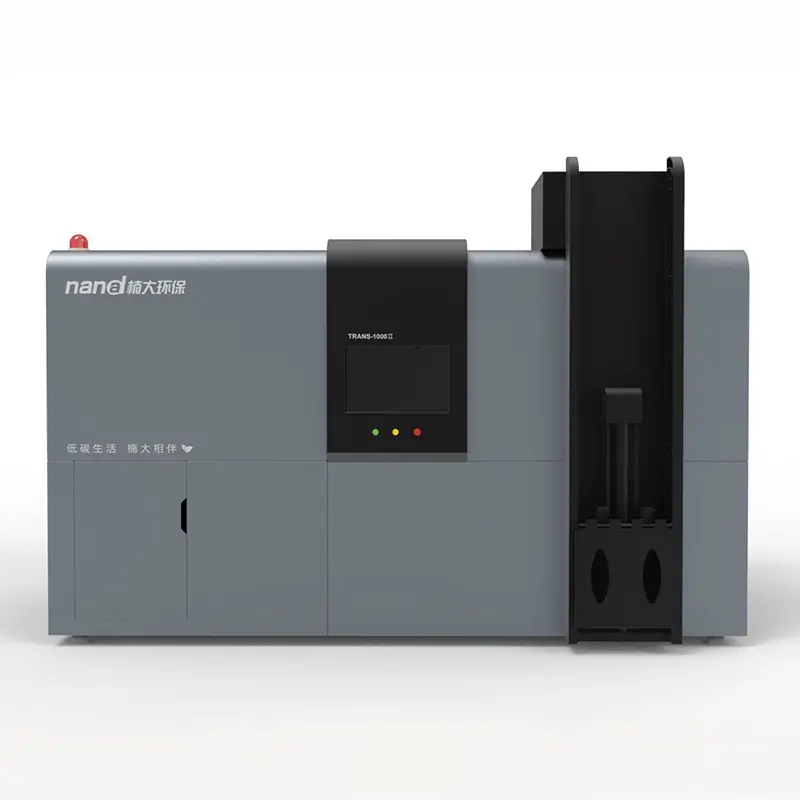
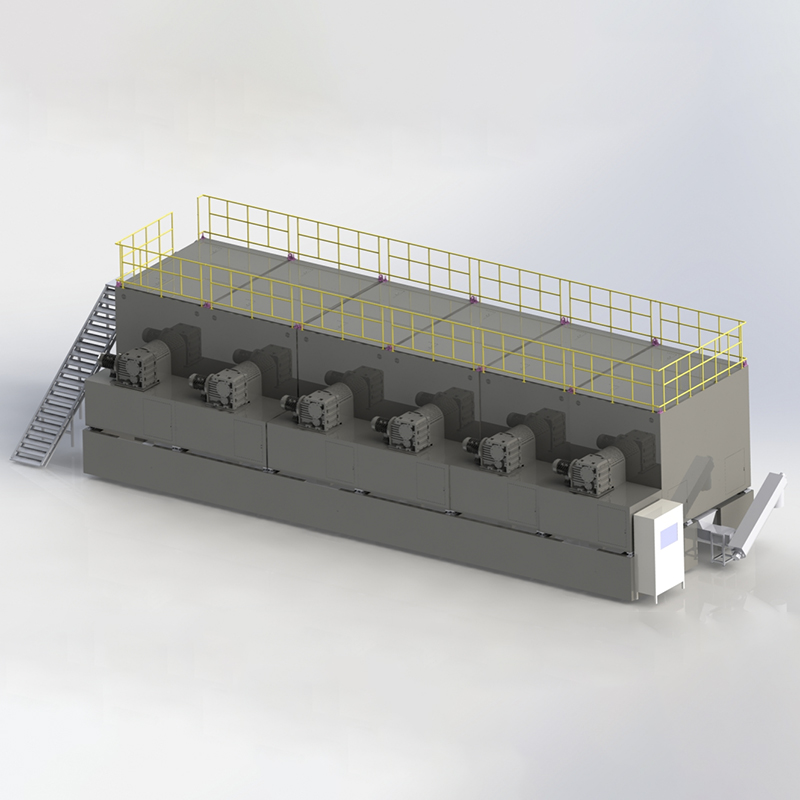
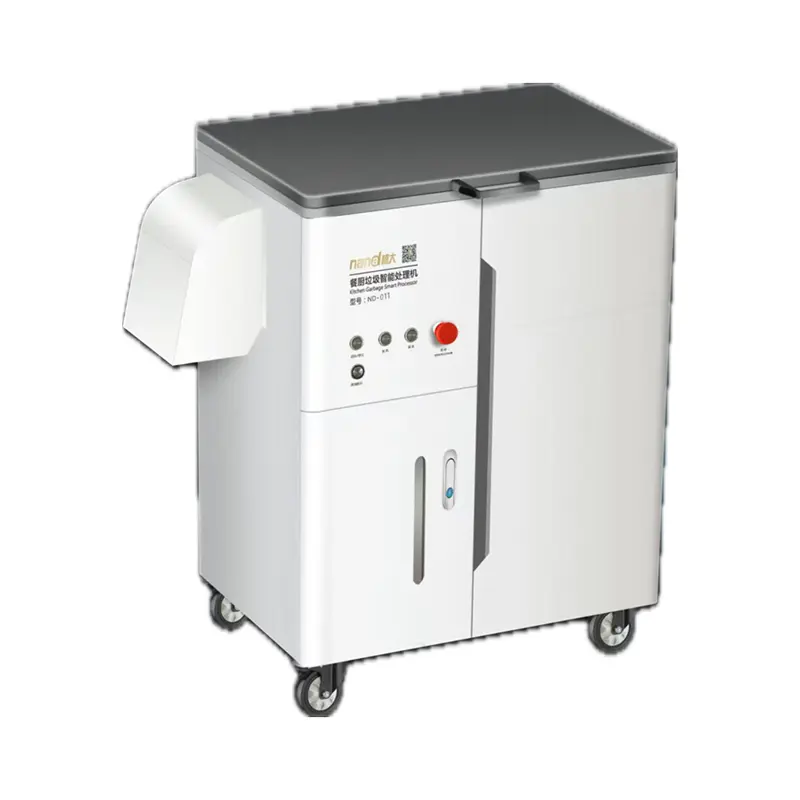
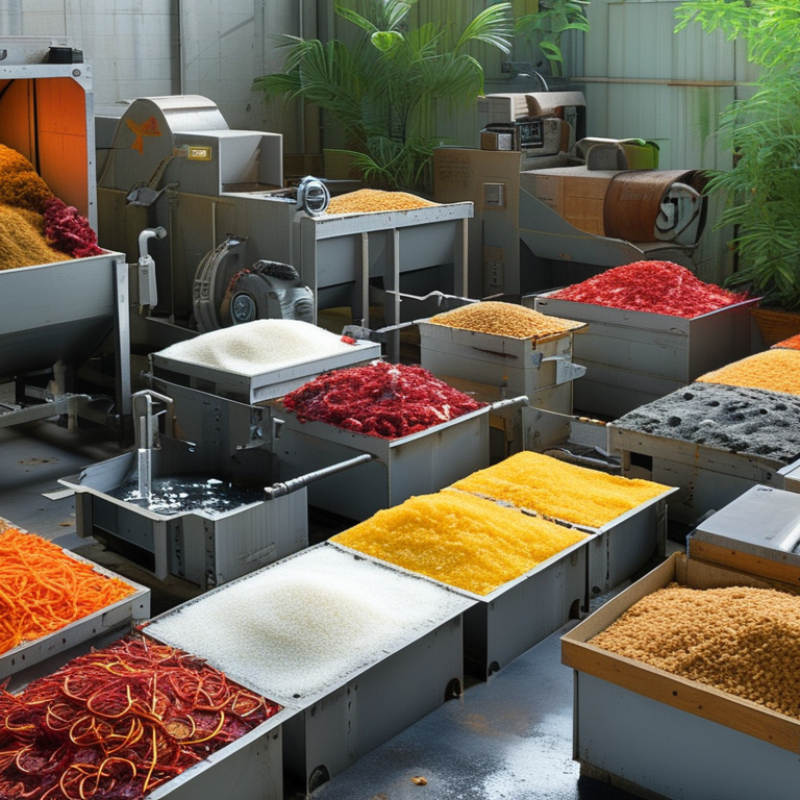
China’s compost equipment ranges from compact 1–10 t/day units to systems processing over 100 t/day. Small units suit farms, hotels, food processors, and municipal trial projects. They usually combine a shredder, mixer, fermentation chamber, and curing space. Larger systems need conveyors, automatic feeding, forced aeration, odor control, and wider service access. Capacity figures can vary with moisture, feedstock density, and operating hours. A 10 t/day label is not always ten tonnes of finished compost.

Experienced operators monitor moisture near 50–60% and maintain active composting temperatures around 55–65°C. They also check oxygen, material texture, and retention time instead of trusting one sensor. For high-volume plants, tunnel, vessel, and windrow equipment each offers different labor and land requirements. A poorly balanced recipe can slow the process, even with expensive machinery. Real production is less tidy than brochures suggest.

Tips: Test a small batch before choosing a full system. Measure daily input, power use, labor, moisture, and curing time. Leave room for maintenance and seasonal changes. Ask for documented performance data, installation guidance, safety protection, and spare-part support. Pilot results may disappoint at first. That is useful evidence, not failure.

Process Control Standards: Oxygen Above 5% and Moisture Near 50–60%

Reliable compost machines begin with measurable process control. Oxygen should remain above 5% inside the active pile, while moisture stays near 50–60%. These conditions support aerobic microbes and reduce slow, uneven decomposition. The United States Environmental Protection Agency reported 292.4 million tons of municipal solid waste generated in 2018. Better control can help divert more organic material from disposal.

Moisture needs practical checking, not guesswork. A handful of feedstock should feel like a wrung-out sponge. If liquid drips, add dry bulking material. If the mix collapses into dust, add water gradually. Guidance from the U.S. Composting Council commonly uses moisture near 50–60% for active composting. Operators should also record oxygen, temperature, moisture, and mixing intervals. A simple logbook often reveals problems before odors become obvious.

Machine design matters here. Good aeration channels should distribute air through dense food waste, not only across the surface. Sensors can identify oxygen decline, but readings still require human review. Moisture sensors may drift after repeated cleaning. That is an easy detail to miss. The European Compost Network emphasizes controlled aeration and stable moisture as core quality factors in biological treatment. Still, every feedstock behaves differently. A system calibrated for leafy waste may underperform with wet cafeteria scraps. Trial batches, routine sampling, and honest adjustment remain necessary.

Selecting China’s Best Manufacturer: ISO 9001, CE Certification, and Testing

China Best Compost Machine Manufacturer and Supplier

Selecting China’s Best Manufacturer: ISO 9001, CE Certification, and Testing

Choosing a compost machine manufacturer requires more than comparing prices or polished factory photographs. The ISO Survey 2023 recorded 1,265,216 ISO 9001 certificates worldwide, showing its broad use as a process-control framework. However, ISO 9001 does not guarantee excellent compost output. It confirms that quality procedures are documented, monitored, and improved.

Look for a current certificate covering the actual manufacturing site and product scope. Request production records, inspection plans, calibration evidence, and corrective-action reports. CE marking also requires careful verification. It is a declaration of conformity, not a universal quality award. Depending on the machine design, relevant requirements may include machinery safety, electromagnetic compatibility, and electrical protection. Ask for the EU Declaration of Conformity, risk assessment, technical documentation, and applicable test reports.

Testing should resemble real operation. I would check motor temperature, shaft vibration, emergency stops, noise, throughput, and discharge consistency using moist organic feedstock. A clean showroom proves little. The UNEP Global Waste Management Outlook 2024 estimates municipal solid waste may increase from 2.3 billion tonnes in 2023 to 3.8 billion tonnes by 2050, raising demand for dependable treatment equipment. One weakness deserves honesty: factory tests may not match every local climate or waste mixture. Require a witnessed trial, recorded test conditions, and clear acceptance criteria before purchase.

China Best Compost Machine Manufacturer and Supplier

Selecting a supplier through ISO 9001, CE conformity, machinery safety standards, and documented testing evidence.

The chart shows the publication or legal milestone year of key compliance references commonly reviewed during compost machine supplier evaluation. ISO 9001:2015 addresses quality management systems, while ISO 12100 and ISO 13849-1 support machinery risk assessment and safety-related control systems. CE marking requires applicable conformity assessment, technical documentation, and an EU Declaration of Conformity; it is not itself a product-quality certificate.

Reference editions: ISO 9001:2015, EN ISO 12100:2010, ISO 13849-1:2023, and Regulation (EU) 2023/1230. Applicable requirements depend on machine design and destination market.

Supplier Comparison: Capacity, Energy Use, Automation, Service, and Warranty Terms

China Best Compost Machine Manufacturer and Supplier

Supplier Comparison: Capacity, Energy Use, Automation, Service, and Warranty Terms

Choosing a compost machine requires more than checking its advertised output. Compare daily capacity under real conditions, including wet feedstock, seasonal changes, and cleaning time. A machine rated for 20 tons daily may process less when moisture rises. Ask for test data, power consumption per ton, and motor specifications. Lower energy use matters, but unstable operation can increase labor costs. Automation should cover temperature monitoring, turning cycles, alarms, and data recording. Fully automatic systems save labor, yet complicated controls may require trained operators.

Service quality often separates a reliable supplier from an attractive quotation. Confirm installation support, spare-part availability, response times, and remote troubleshooting. Warranty terms need careful reading. Check coverage for motors, sensors, control cabinets, and wear parts. Some suppliers exclude consumable components, which can create unexpected expenses. A longer warranty sounds better, but poor documentation weakens its value. We once saw a capacity comparison ignore cleaning delays. That mistake changed the actual output significantly. Specifications are useful, but operating evidence is stronger.

Tips: Request a three-day demonstration using similar organic waste. Record electricity use, processing time, noise, and labor hours. Compare delivered cost, not only machine price. Ask for customer references with comparable capacity and climate. Keep room for revision, because your feedstock may change.