- Home
- Solutions
- Products
- About Us
- News
- Blog
- Contact Us
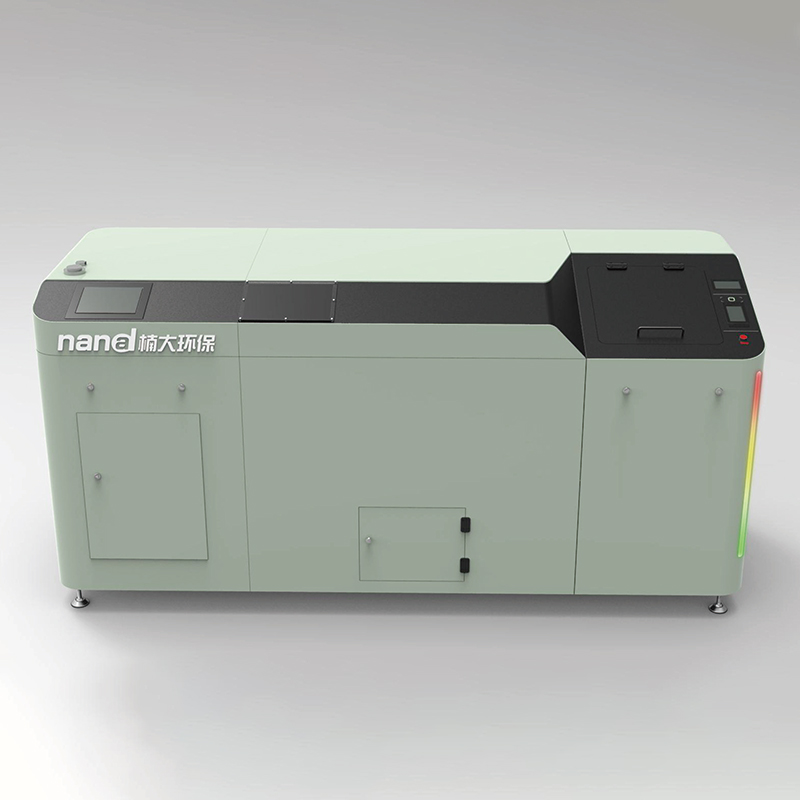 Nanda Trans Series-200
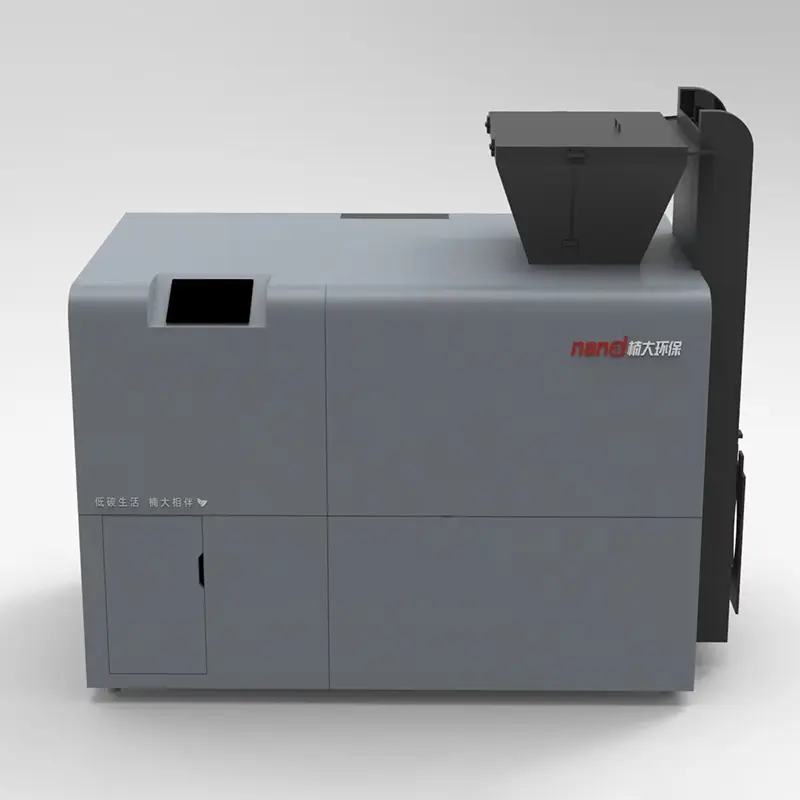 Nanda Trans Series-500
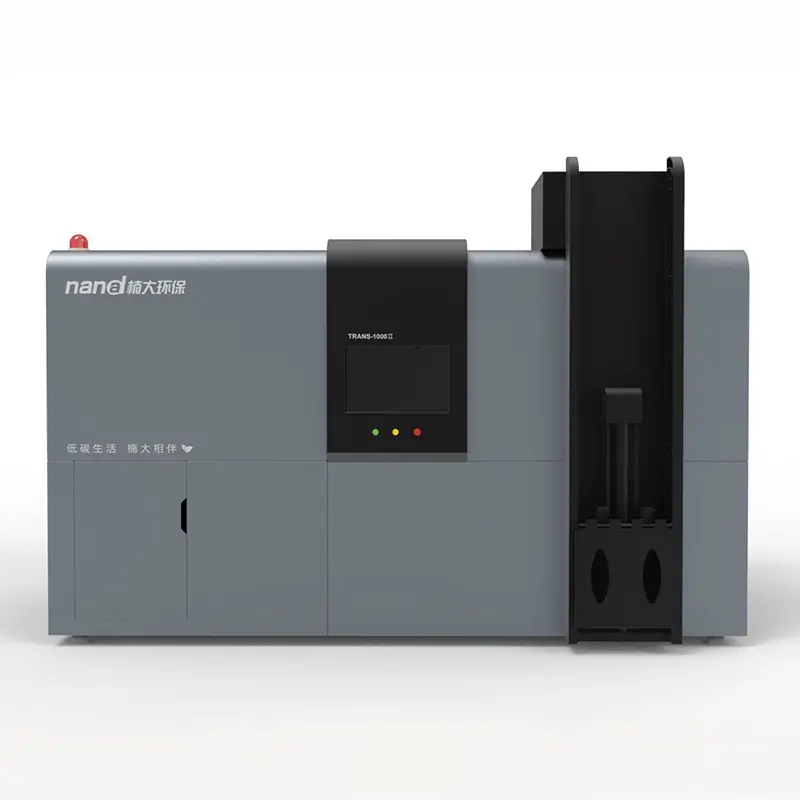 Nanda Trans Series-1000
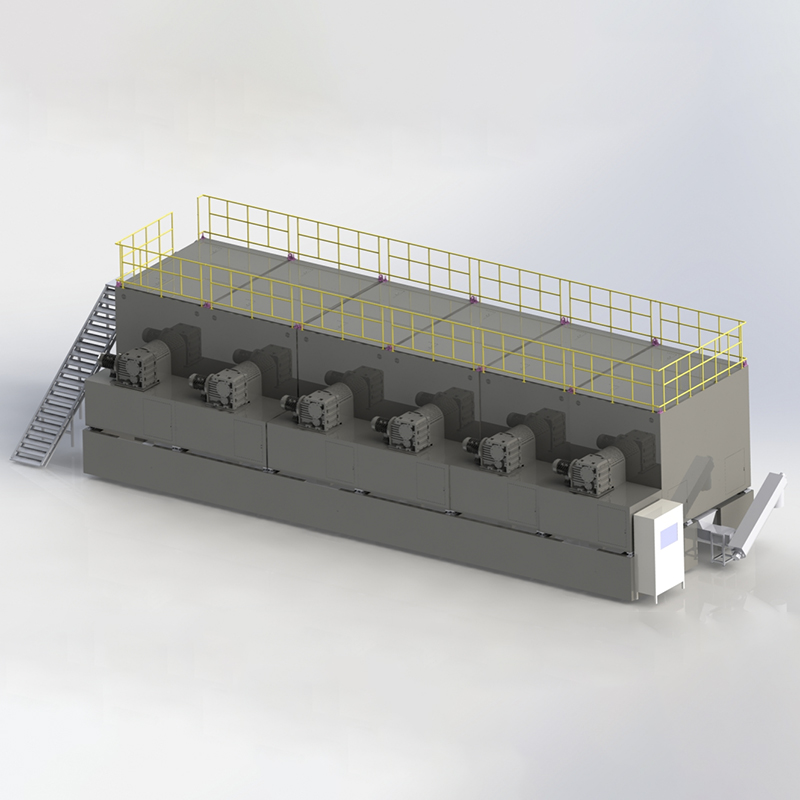 Nanda Trans Series-30000
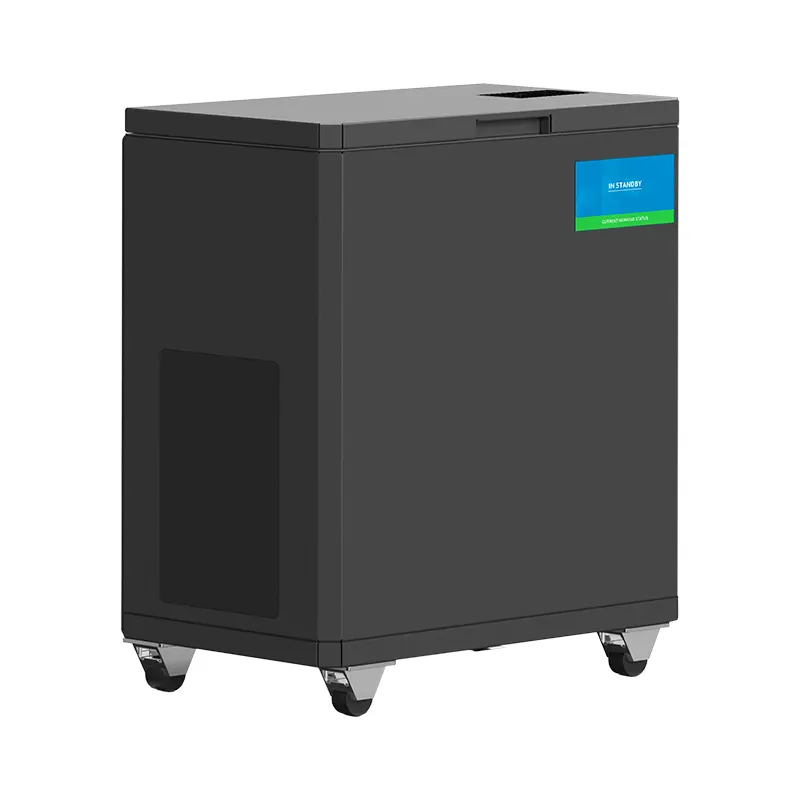 Nanda Thermax Series-100
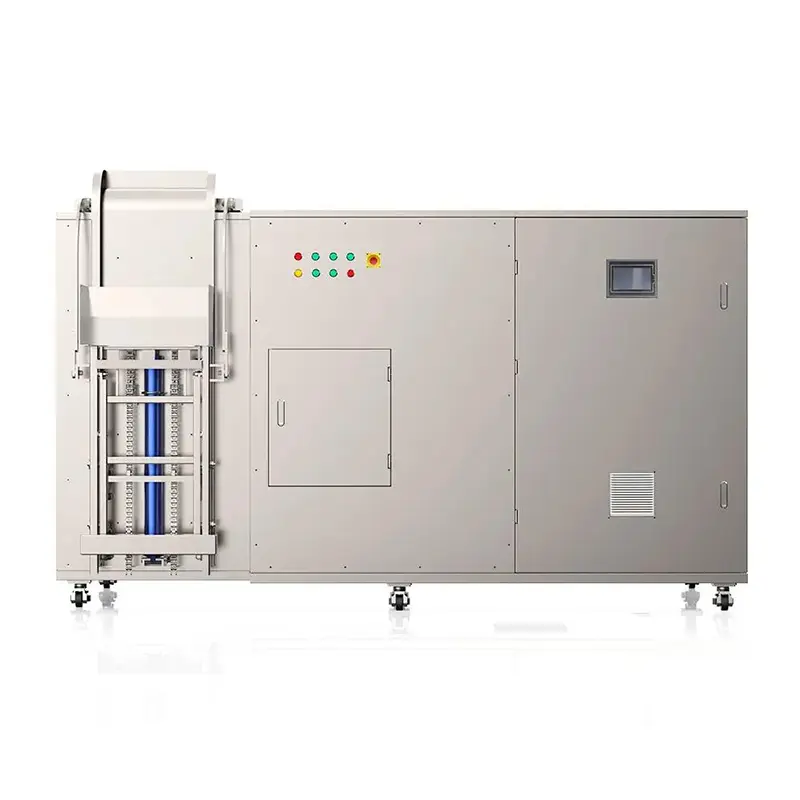 Nanda Thermax Series-200
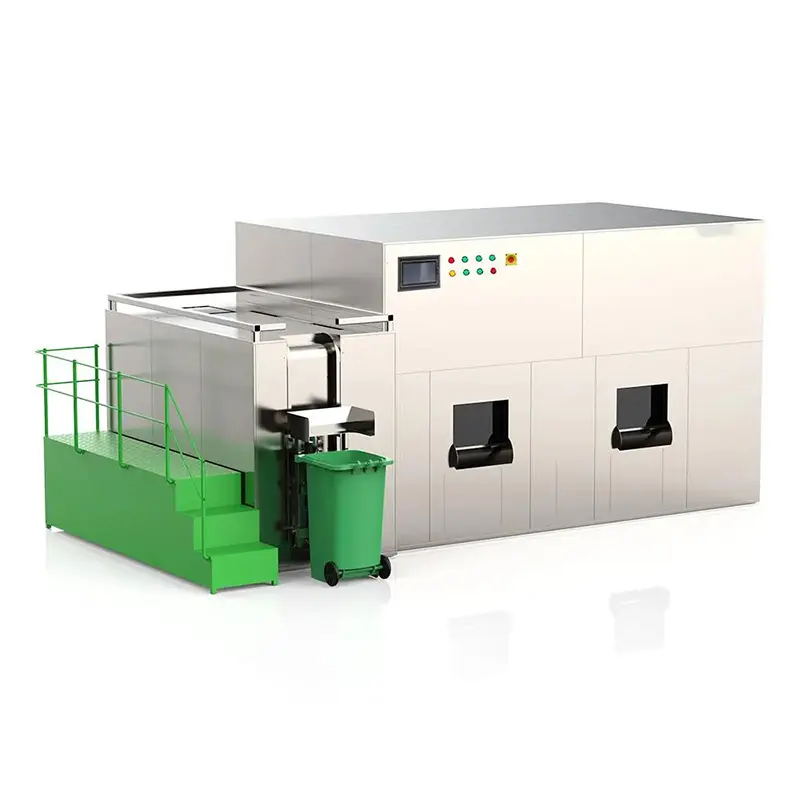 Nanda Thermax Series-2000
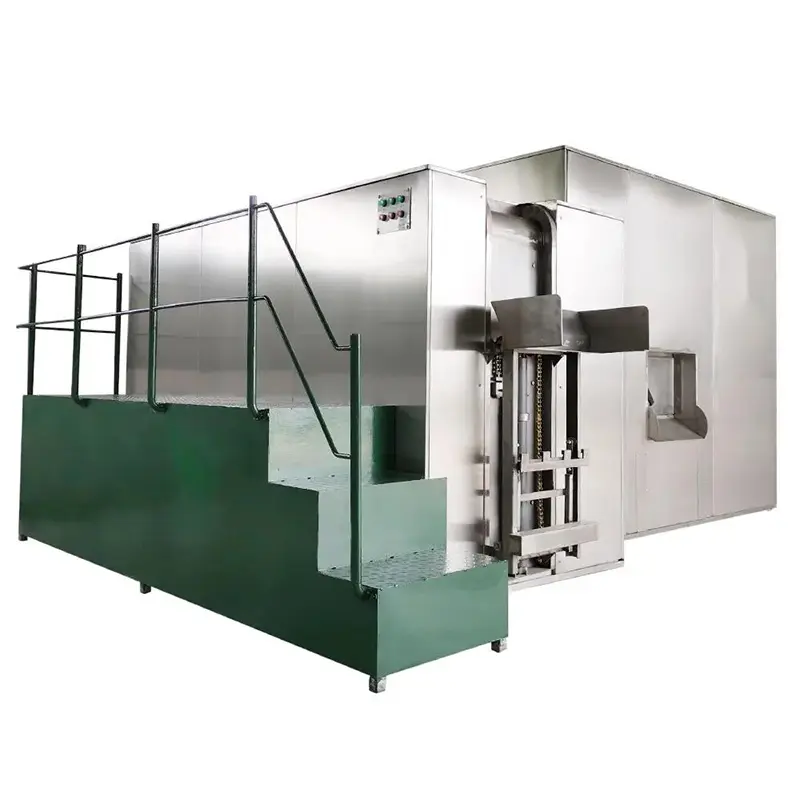 Nanda Thermax Series-10000
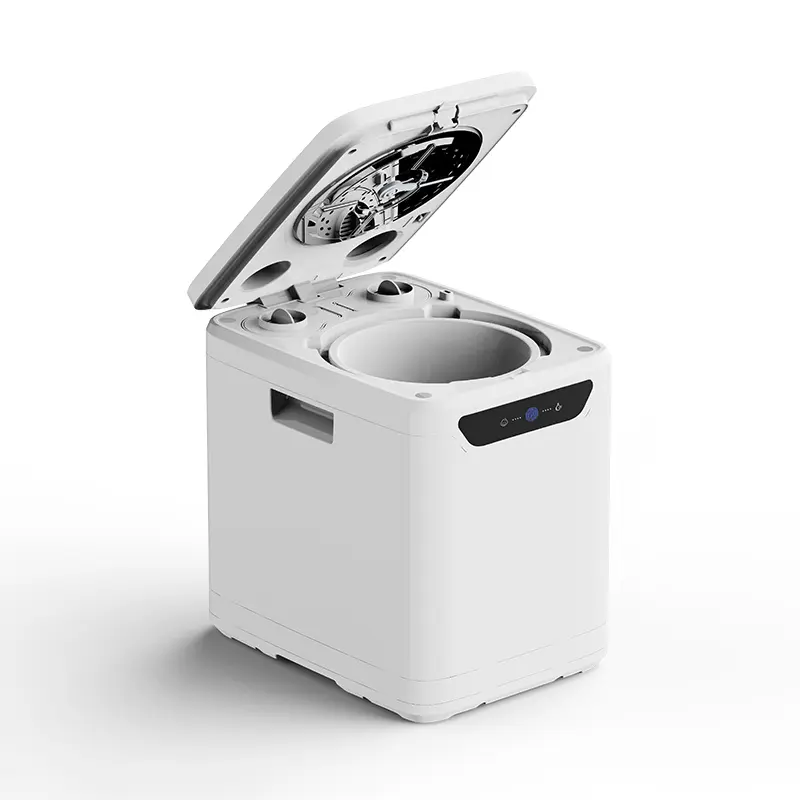 Nanda Turbo Series-3.5L-016
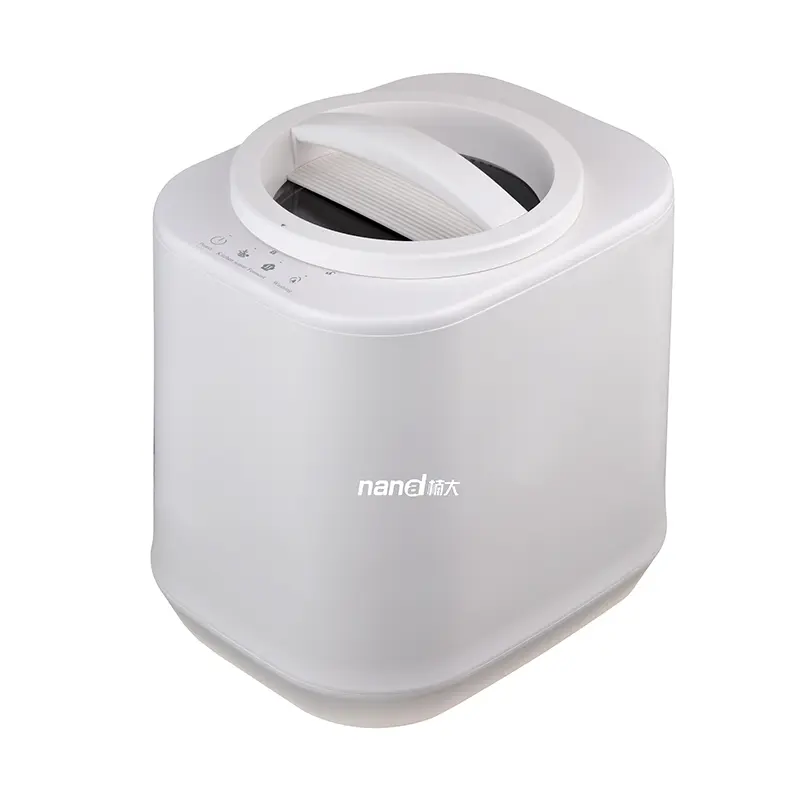 Nanda-Turbo Series-4L-011
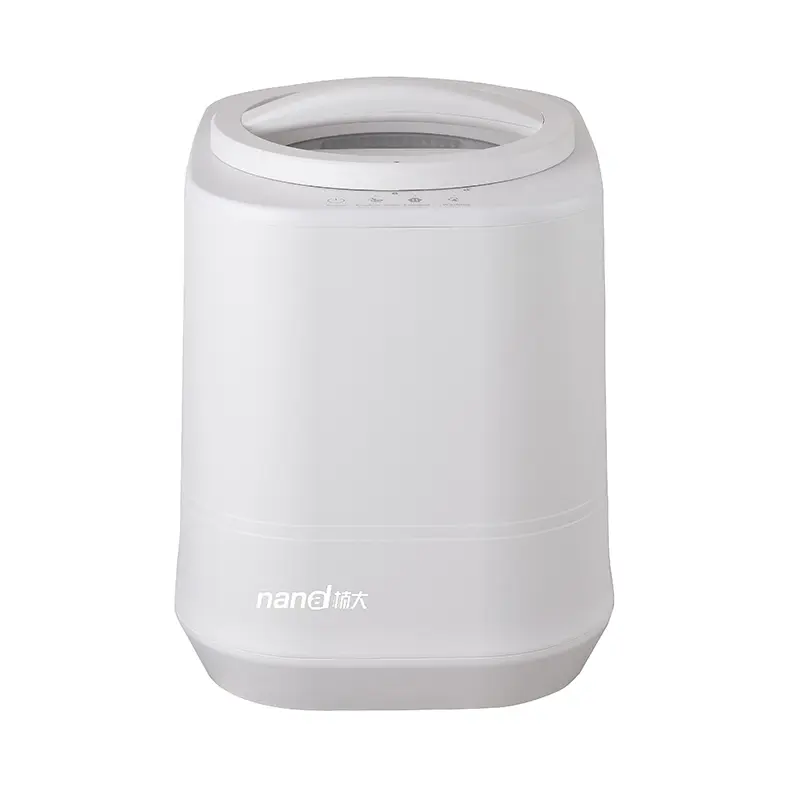 Nanda Turbo Series-4L-012
 Oil-Water Separator
Leave Your Message
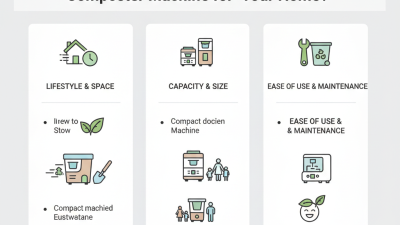
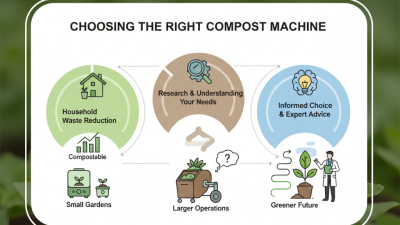
Choosing the best Compost Machine in 2026 requires more than comparing prices, capacity, and glossy product images. The right system must match your waste volume, available space, climate, labor, and finished compost goals. A small restaurant may need a quiet, odor-controlled unit for daily food scraps. A farm may require stronger airflow, larger chambers, and easier material handling. Capacity alone can mislead. A machine rated for 100 kilograms daily may perform poorly when waste arrives wet, compacted, or mixed with packaging.
Dr. Sally Brown, a respected composting researcher and author, offers a useful reminder: “Compost is a living system.” That idea should guide every buying decision. Look for reliable temperature control, balanced aeration, moisture management, and clear maintenance instructions. Stainless steel interiors can simplify cleaning. Insulated chambers may improve performance during cold weather. Sensors are valuable, but only when they provide readable data and practical alerts. Fancy dashboards do not replace good operation.
No machine is perfect.
Consider the full routine. Who will load it each morning? Where will excess liquid go? Can staff remove finished material without lifting heavy containers? Ask manufacturers for energy data, service terms, replacement-part availability, and realistic processing times. Independent reviews and customer references deserve attention, especially from businesses with similar waste streams. Some claims may sound impressive but remain difficult to verify. A careful choice accepts that limitation. The best Compost Machine is not necessarily the fastest or most expensive model. It is the one your team can operate consistently, safely, and correctly.
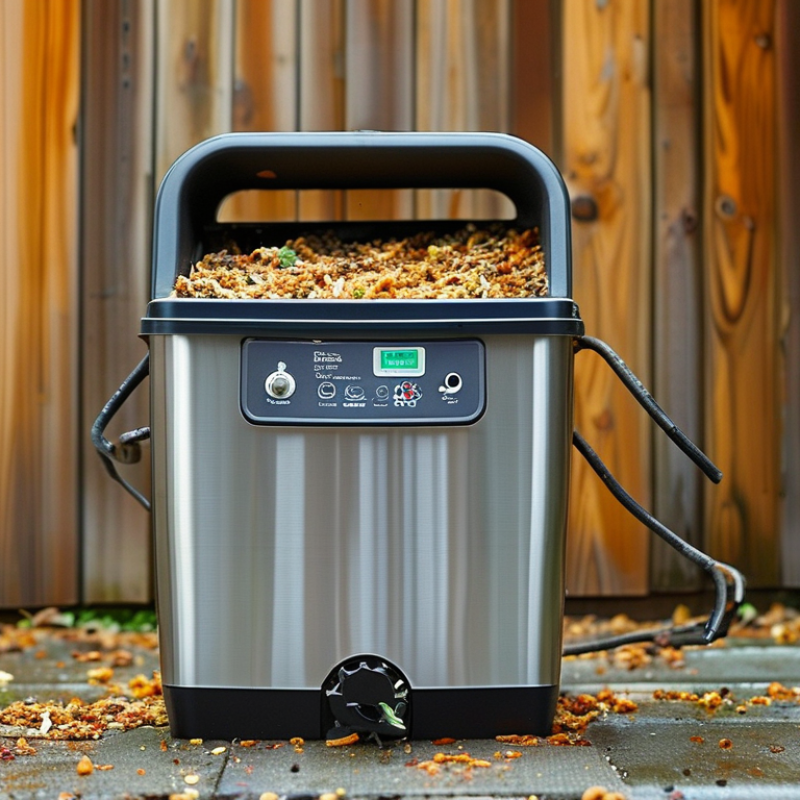
When choosing the best compost machine in 2026, understand its basic job first. A compost machine manages organic waste under controlled conditions. It supports microorganisms that break down food scraps, leaves, and other suitable materials.
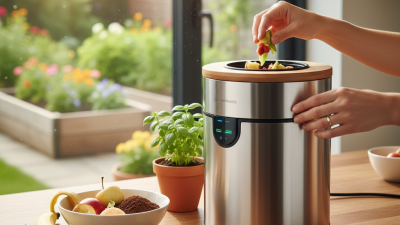
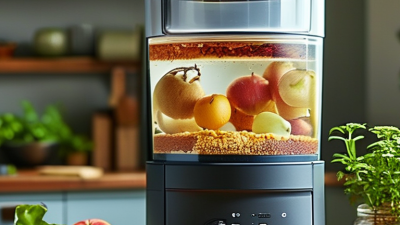
Most systems use airflow, gentle heat, mixing, or moisture control. These conditions help microbes work faster than they would in an unmanaged pile. Electric countertop units often grind and dry scraps within hours. However, their output may resemble dehydrated material rather than fully mature compost. It may still need outdoor curing.
Look closely at the process.
A good machine should control odors without hiding serious moisture problems. A sour smell can indicate poor airflow or excessive wet food. I would check the cleaning steps, filter replacement, noise level, and energy use before buying. Capacity matters too. A small kitchen unit may struggle with daily scraps from a large family.
In practice, balanced inputs produce better results. Mix wet scraps with dry carbon materials when the instructions allow it. Do not assume every machine accepts bones, oils, or large pieces. The manual should state clear limits. I once underestimated cleaning time; residue collected around the mixing chamber and reduced performance. That detail is easy to ignore. It should not be. Reliable machines make their temperature, cycle length, and output conditions understandable.
| Compost Machine Type | How It Works | Typical Processing Time | Typical Capacity | Suitable Materials | Energy Requirement | Output | Best For | Main Limitations |
|---|---|---|---|---|---|---|---|---|
| Electric Food-Waste Composter | Uses controlled heat, mixing, and airflow to remove moisture and reduce food scraps into a dry, soil-like material. | Approximately 4–24 hours for volume reduction; the material may still require further curing before use as mature compost. | Usually 1–10 kg of food scraps per batch, depending on the unit. | Fruit and vegetable scraps, cooked food, grains, coffee grounds, eggshells, and small amounts of meat or dairy when permitted by the manufacturer. | Electricity is required for heating, mixing, and ventilation. Energy use varies with batch size, moisture, and operating temperature. | Dehydrated and partially processed organic material, not always fully mature compost. | Apartment kitchens, offices, restaurants, and users who need fast volume reduction and odor control. | Higher operating cost than passive systems; the output may need curing and should not automatically be applied directly to plants. |
| In-Vessel Aerated Composter | Organic waste is placed in an enclosed vessel where mechanical mixing, forced air, moisture management, and temperature control support aerobic decomposition. | Usually several days to several weeks, followed by curing when a stable finished compost is required. | From tens of kilograms to several tonnes per day, depending on vessel size and configuration. | Separated food waste, green waste, and other approved biodegradable materials with a suitable carbon-to-nitrogen balance. | Electricity is needed for fans, controls, pumps, and sometimes mixing equipment. | Partially or fully stabilized compost-like material, depending on residence time and curing conditions. | Schools, hotels, institutions, farms, and commercial sites with steady organic-waste volumes. | Requires space, regular loading, maintenance, and careful control of moisture, aeration, and contamination. |
| Rotating Drum Composter | A rotating drum mixes organic materials and improves contact with air while retaining heat and moisture. | Commonly several weeks to a few months, depending on climate, feedstock, turning frequency, and drum design. | Small household units may handle approximately 50–300 liters; larger systems can be substantially bigger. | Plant trimmings, leaves, fruit and vegetable scraps, coffee grounds, and other balanced organic materials. | Manual models need little or no electricity; motorized models require electricity for rotation. | Compost or partially decomposed material that may require additional curing. | Homes, community gardens, and small businesses seeking an enclosed alternative to an open compost pile. | Limited airflow in overloaded drums; wet or compacted contents can slow decomposition and create odors. |
| Compost Tumbler | A sealed or partially sealed barrel is manually rotated to mix materials and distribute moisture and oxygen. | Often 4–12 weeks under favorable conditions; colder weather and poor material balance can extend the process. | Typically 100–350 liters for household models. | Vegetable scraps, leaves, grass clippings, shredded paper, and other small pieces of organic matter. | No electricity required | Partially or fully finished compost, depending on temperature, moisture, and curing time. | Backyards, balconies with suitable space, and gardeners who want simple manual operation. | Usually cannot process large branches or very large volumes; excessive wet food waste may cause anaerobic odors. |
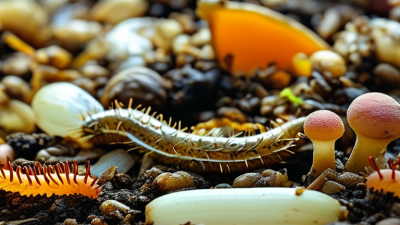
| Worm Composting System | Composting worms and microorganisms consume suitable organic waste in a ventilated bedding system. | Approximately 2–6 months for usable worm castings, depending on temperature, feed rate, and system management. | From about 10 liters for small indoor systems to several hundred liters for larger household systems. | Fruit and vegetable scraps, coffee grounds, tea leaves, and crushed eggshells; food should be added gradually. | No electricity required | Worm castings and nutrient-rich liquid that must be handled correctly and diluted when used as a liquid fertilizer. | Indoor users, apartments, classrooms, and gardeners who want a low-energy system. | Worms are sensitive to extreme temperatures, flooding, salt, acidic food, and excessive feeding; meat and dairy are generally avoided. |
| Static Aerated-Bin System | Organic materials remain in a stationary bin while perforated pipes or vents supply passive or powered airflow. | Usually 2–6 months, followed by curing if the material is not fully stabilized. | Approximately 200 liters to several cubic meters. | Mixed green and brown materials, including leaves, garden waste, shredded cardboard, and limited food scraps. | Passive systems use no electricity; fan-assisted systems use a small amount of electricity. | Finished compost or partially decomposed material, depending on aeration and moisture control. | Backyards, community gardens, and sites with a regular supply of plant-based organic waste. | Requires correct layering and moisture; compacted or overly wet materials can restrict airflow. |
| Open Windrow Composter | Organic waste is arranged in long outdoor piles and periodically turned to provide oxygen and distribute heat and moisture. | Approximately 2–6 months, with additional curing often needed. | Suitable for hundreds of kilograms to many tonnes, depending on available land and equipment. | Leaves, grass, crop residues, branches after shredding, and other plant-based organic waste. | Low direct energy use, although powered turners, loaders, and shredders may consume fuel or electricity. | Large volumes of mature compost when temperature, moisture, aeration, and feedstock balance are managed properly. | Farms, municipalities, landscape businesses, and large gardens with adequate outdoor space. | Needs substantial land and labor; odor, leachate, pests, and weather exposure must be managed. |
| Home Compost Bin | Microorganisms naturally decompose a mixture of carbon-rich “brown” materials and nitrogen-rich “green” materials in a ventilated container. | Commonly 3–12 months, depending on particle size, moisture, aeration, and temperature. | Approximately 200–1,000 liters for many household bins. | Leaves, grass, garden trimmings, fruit and vegetable scraps, coffee grounds, and shredded uncoated paper or cardboard. | No electricity required | Finished compost when the material is dark, crumbly, and no longer recognizable as the original feedstock. | Home gardeners who prioritize low cost, low maintenance, and natural decomposition. | Slower than powered equipment; unsuitable materials and poor aeration can attract pests or create unpleasant odors. |
| Key Selection Criteria | Choose a system based on waste type, daily volume, available space, desired processing speed, electricity access, maintenance ability, and intended use of the output. | Faster processing does not always mean fully mature compost; curing and testing may still be necessary. | Select capacity based on average waste generation rather than occasional peak volume to avoid overloading. | Always follow local regulations and the machine’s approved input list, especially for meat, dairy, oils, pet waste, and compostable packaging. | Compare rated power, operating hours, ventilation needs, and replacement-part requirements before purchase. | Confirm whether the result is mature compost, compost feedstock, dehydrated scraps, or a soil amendment. | Best overall approach: match the machine to the feedstock and required throughput | Do not judge a system by speed alone; odor control, contamination management, curing time, cleaning, and output quality are equally important. |