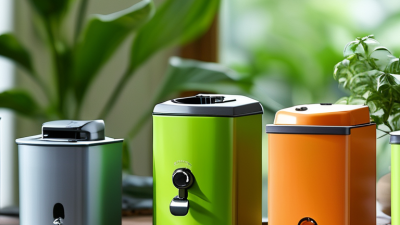
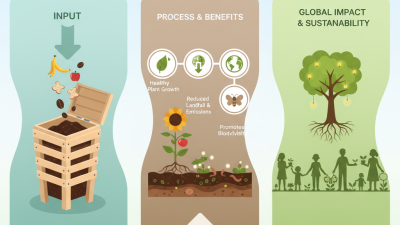
Why Choose a Food Scrap Recycler for Your Business Needs?
In today's world, sustainability is more than a trend; it is a necessity. Businesses face increasing pressure to reduce waste and adopt eco-friendly practices. One effective solution is to partner with a Food Scrap Recycler. This approach not only addresses waste management but also creates opportunities for responsible resource use.
Incorporating a Food Scrap Recycler into business operations can seem daunting. However, it can significantly reduce your carbon footprint. Many companies overlook the potential benefits of recycling food scraps. They miss the chance to transform waste into valuable compost or energy. This shift can save money and enhance corporate image, but it requires commitment.
Adopting a Food Scrap Recycler is not without challenges. Businesses must educate staff and rethink waste processes. Moreover, initial costs may deter some companies. Still, those who embrace this change often find it worthwhile. Investing in sustainability is an investment in the future of the planet and the business itself.

The Environmental Benefits of Food Scrap Recycling in Business Operations
Food scrap recycling offers significant environmental benefits for businesses. By transforming food waste into valuable resources, companies can reduce landfill contributions. This process minimizes greenhouse gas emissions, which greatly impact climate change. Every organization, from restaurants to retail chains, can play a role in this initiative.
Implementing a food scrap recycler helps conserve natural resources. When food waste is processed, it can produce compost or energy. This practice reduces the need for synthetic fertilizers and fossil fuels. It also diverts waste from congested landfills, alleviating stress on local waste management systems. The ripple effect of these changes can lead to more sustainable community practices.
Despite the advantages, some businesses may hesitate to embrace food scrap recycling. Concerns over cost and logistics can cloud judgment. However, the long-term benefits often outweigh these initial hurdles. Awareness and committed action are vital to overcoming these challenges. Investing in food scrap recycling may require upfront effort, but the environmental payoff is invaluable.
Understanding the Economic Impact of Food Waste on Industrial Costs
The economic impact of food waste on industrial costs is significant. Food waste contributes to rising operational expenses. When businesses discard food scraps, they miss opportunities for savings. Landfill fees continue to climb, straining budgets further. Efficient waste management strategies can greatly mitigate these costs.
Implementing a food scrap recycling program can transform how businesses handle waste. Recycling reduces garbage collection frequency, which leads to cost savings. It also presents an opportunity for creating renewable energy. However, many businesses underestimate the logistics of such programs. Proper training and equipment are essential for effective implementation.
Mistakes can happen in the transition to new practices. Staff may resist change or lack understanding. Regular training sessions are crucial. The initial investment in recycling systems may seem daunting, but the long-term benefits often outweigh these costs. By choosing food scrap recycling, companies can address the waste issue while improving their bottom line.
Key Features of Effective Food Scrap Recycling Programs
Food scrap recycling is essential for businesses seeking sustainability. An effective recycling program should have several key features. First, it needs to offer comprehensive training for staff. Workers should understand how to sort compostable materials correctly. Clear guidelines can reduce contamination rates in the recycling process.
A successful program also utilizes convenient collection services. Bins must be easy to access and clearly labeled. This encourages employees to participate actively. Additionally, regular monitoring and feedback are crucial. Tracking the program's progress helps identify areas for improvement. It fosters a culture of accountability within the organization.
Finally, collaboration with local recycling facilities can enhance program effectiveness. These partnerships provide valuable resources and support. However, it's important to evaluate their reliability. Not all facilities operate with the same standards. Addressing these challenges head-on ensures a more robust food scrap recycling initiative.
Why Choose a Food Scrap Recycler for Your Business Needs? - Key Features of Effective Food Scrap Recycling Programs
| Feature |
Description |
Benefit |
| Composting Capability |
Ability to convert food waste into nutrient-rich compost. |
Reduces landfill waste and enhances soil quality. |
| Mobile Collection Services |
On-site pickup of food scraps at scheduled intervals. |
Convenient and time-saving for businesses. |
| Education and Training |
Training staff on proper waste segregation and recycling practices. |
Increases program effectiveness and employee engagement. |
| Tracking and Reporting |
System to monitor waste diversion and recycling progress. |
Helps businesses measure impact and improve sustainability efforts. |
| Partnership with Local Farms |
Collaboration to donate compost or unusable food. |
Supports local agriculture and reduces waste. |
Exploring Regulatory Compliance and Incentives for Food Scrappers
Regulatory compliance for food scrap recycling is crucial for businesses. Local laws often dictate how food waste should be managed. Many regions impose penalties for improper disposal. Understanding these regulations can help avoid costly fines. Food scrappers ensure compliance by following local guidelines, making them a reliable partner for businesses.
Incentives for businesses choosing food scrappers can be substantial. Tax breaks, grants, and rebates often lay ahead. Many companies see reduced waste disposal costs. Additionally, a sustainable approach enhances brand reputation. Society increasingly values environmentally-friendly practices. Engaging with food scrap recycling not only fulfills legal requirements but also appeals to eco-conscious consumers.
Challenges remain in implementing such programs. Businesses may struggle with current practices. Some abandon traditional waste management methods too quickly. Adjusting to new systems takes time and effort. However, the long-term benefits of compliance and sustainability are often worth the initial hurdles. Food scrappers guide businesses through this evolving landscape, offering expertise and experience.
How Food Scrap Recycling Enhances Corporate Social Responsibility Initiatives
Food scrap recycling is becoming vital for businesses that want to enhance their corporate social responsibility (CSR) initiatives. According to a study by the Food Waste Reduction Alliance, 40% of food produced in the U.S. is wasted. This staggering figure demonstrates the need for proactive steps in reducing waste. By implementing food scrap recycling, businesses can transform waste into valuable compost, which enriches soil and supports local agriculture.
Engaging in food scrap recycling also boosts a company’s image. Research from Nielsen indicates that over 66% of consumers prefer brands that are environmentally responsible. When businesses recycle food scraps, they showcase a commitment to sustainability. This not only attracts eco-conscious customers but also enhances employee morale. A sense of purpose fosters loyalty among staff, encouraging them to engage more with the company's mission.
However, it’s essential to recognize the challenges involved. Successful food scrap recycling requires a well-structured plan, adequate training, and ongoing commitment from all employees. While many organizations begin with enthusiasm, maintaining this momentum can be difficult. A study from WRAP highlights that 28% of UK businesses faced difficulties in sustaining their recycling efforts due to a lack of resources or clear strategies. Achieving effective food scrap recycling is a continuous journey that demands reflection and adaptability.

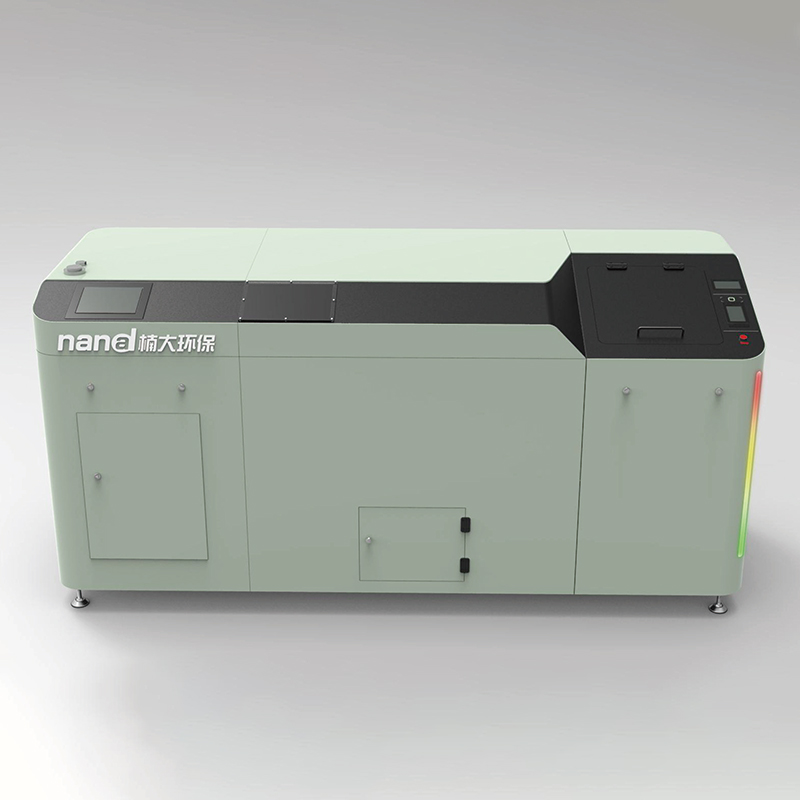 Nanda Trans Series-200
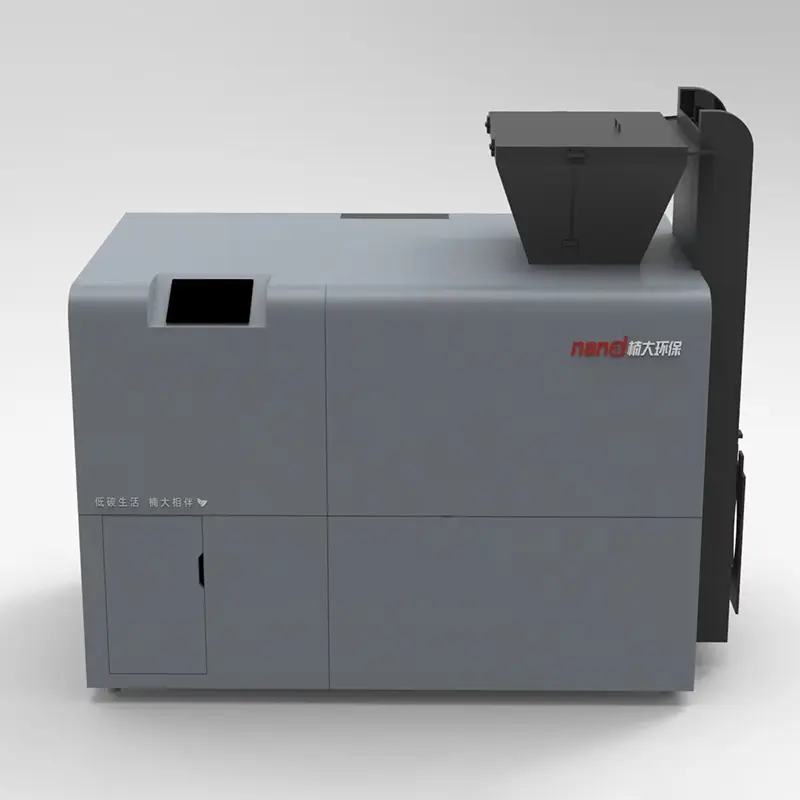 Nanda Trans Series-500
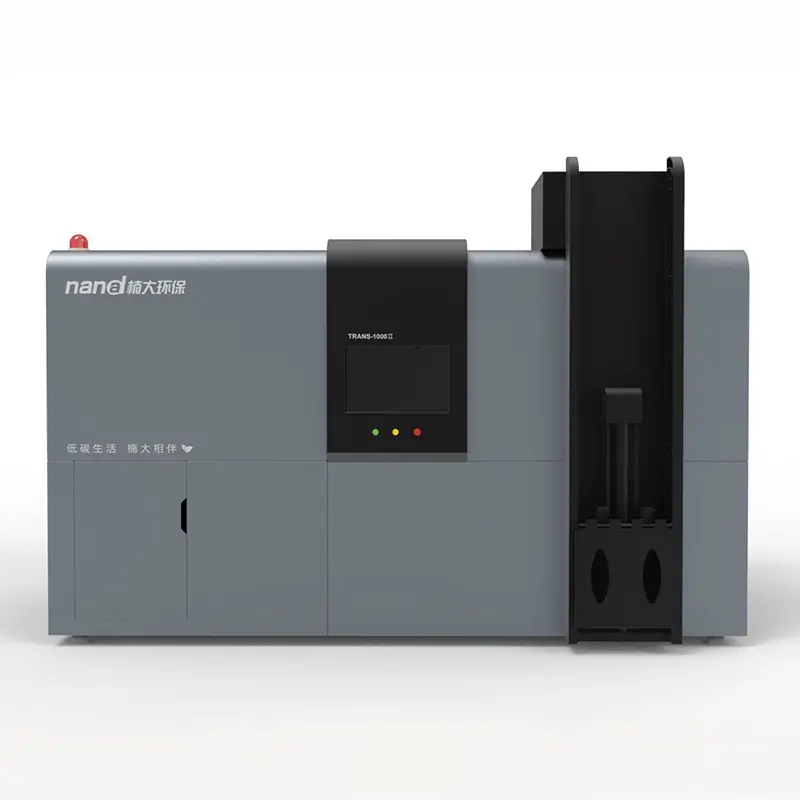 Nanda Trans Series-1000
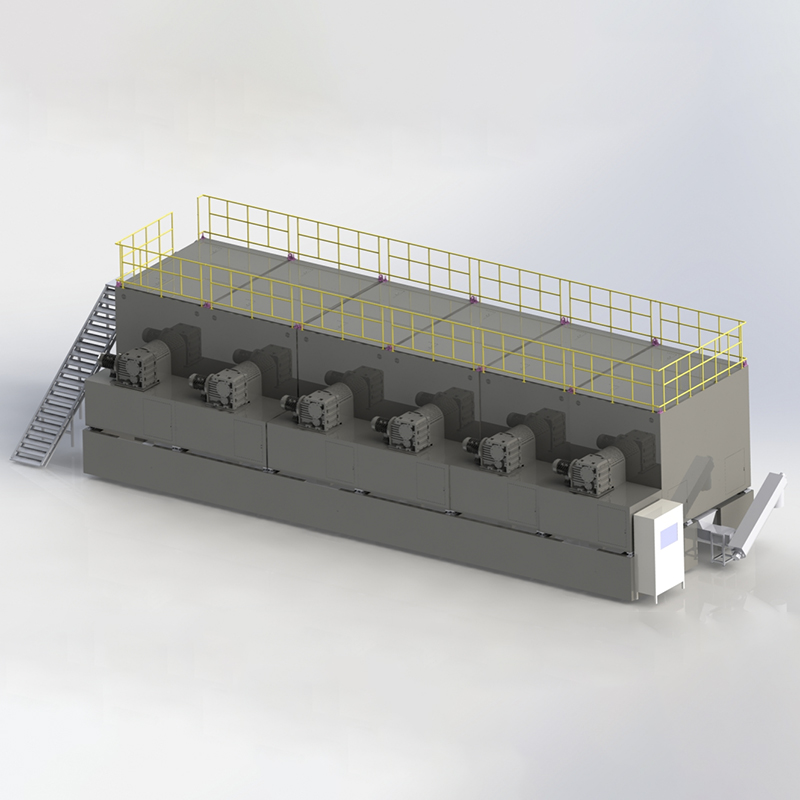 Nanda Trans Series-30000
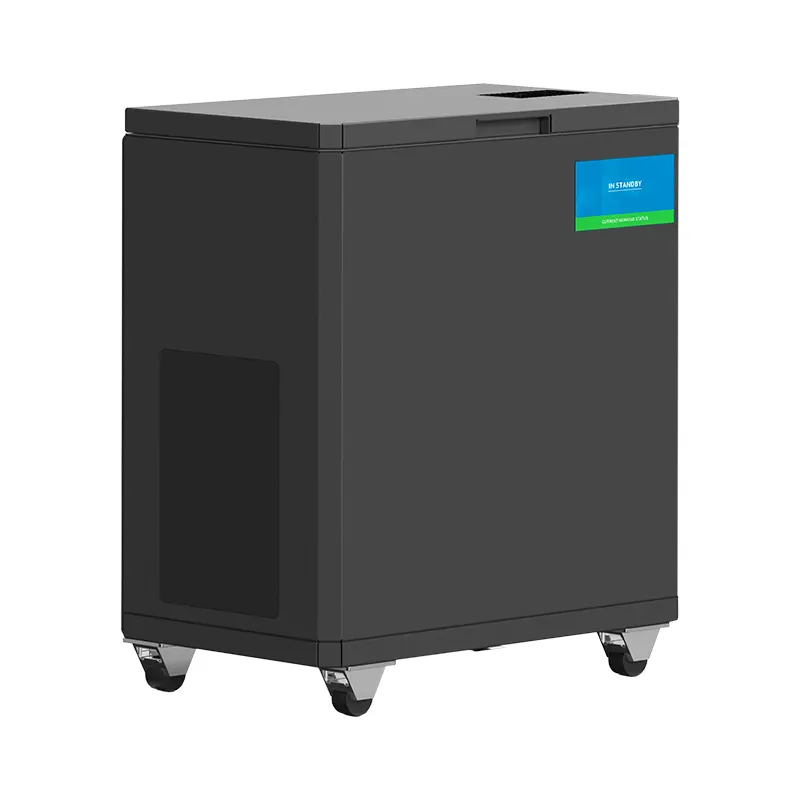 Nanda Thermax Series-100
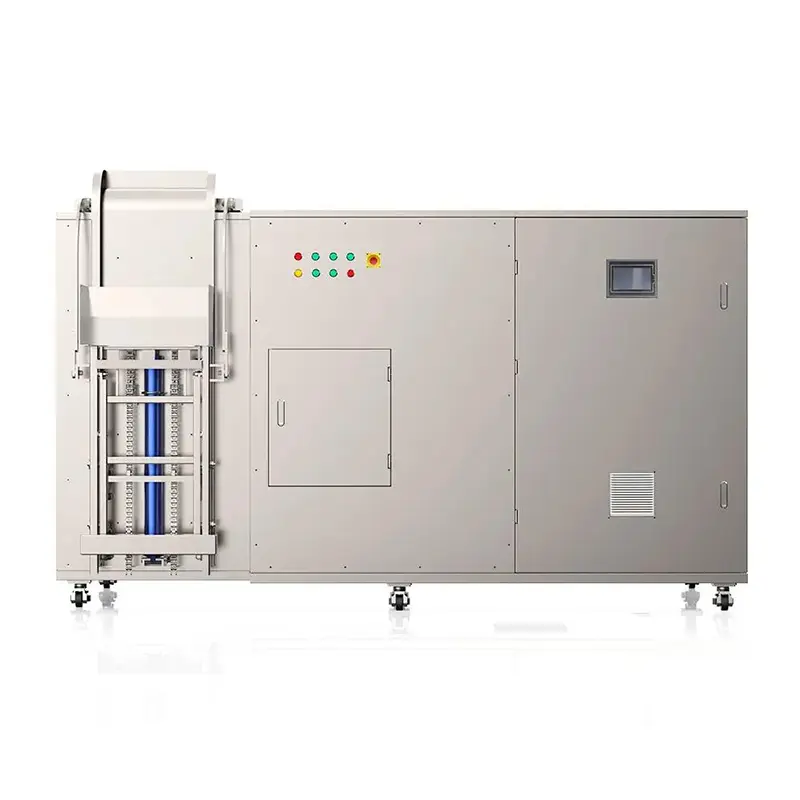 Nanda Thermax Series-200
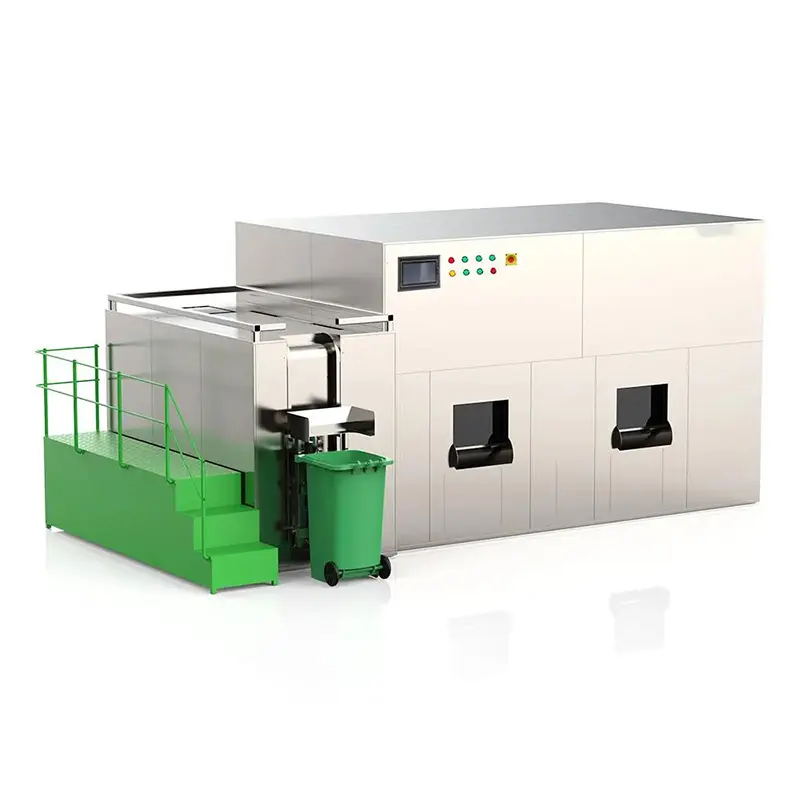 Nanda Thermax Series-2000
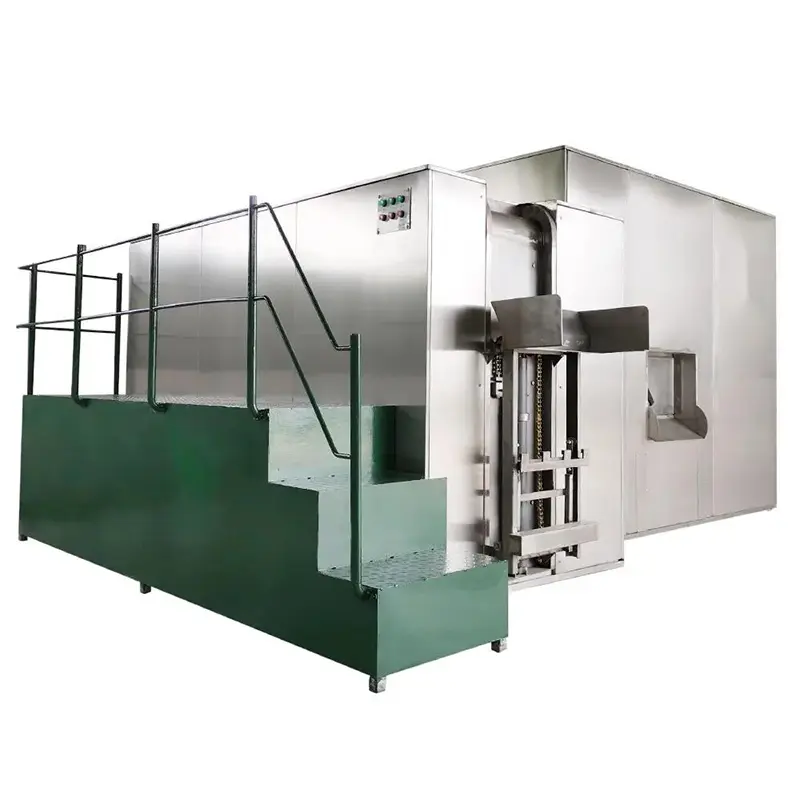 Nanda Thermax Series-10000
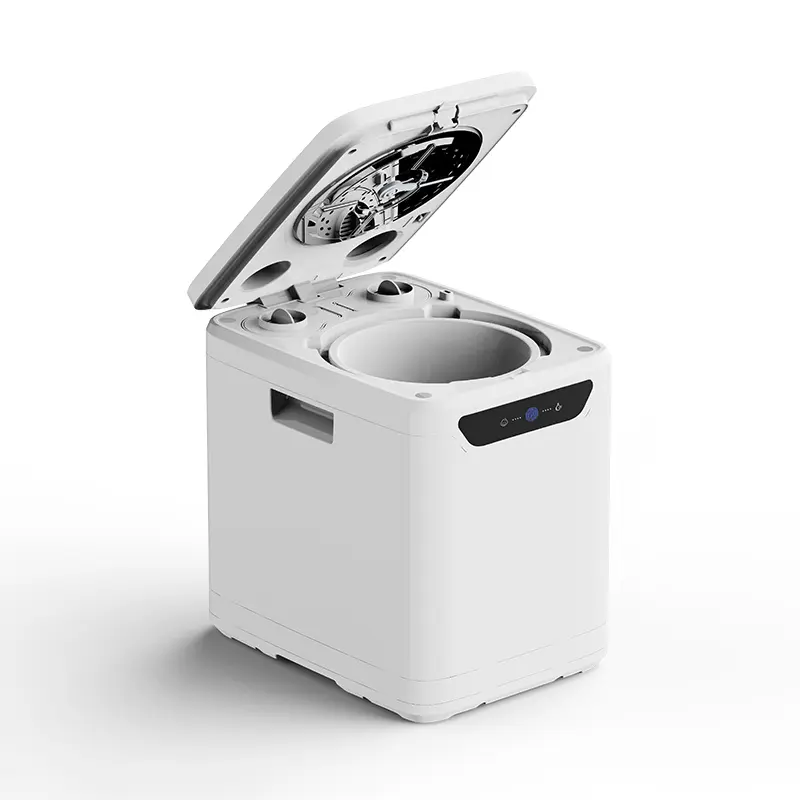 Nanda Turbo Series-3.5L-016
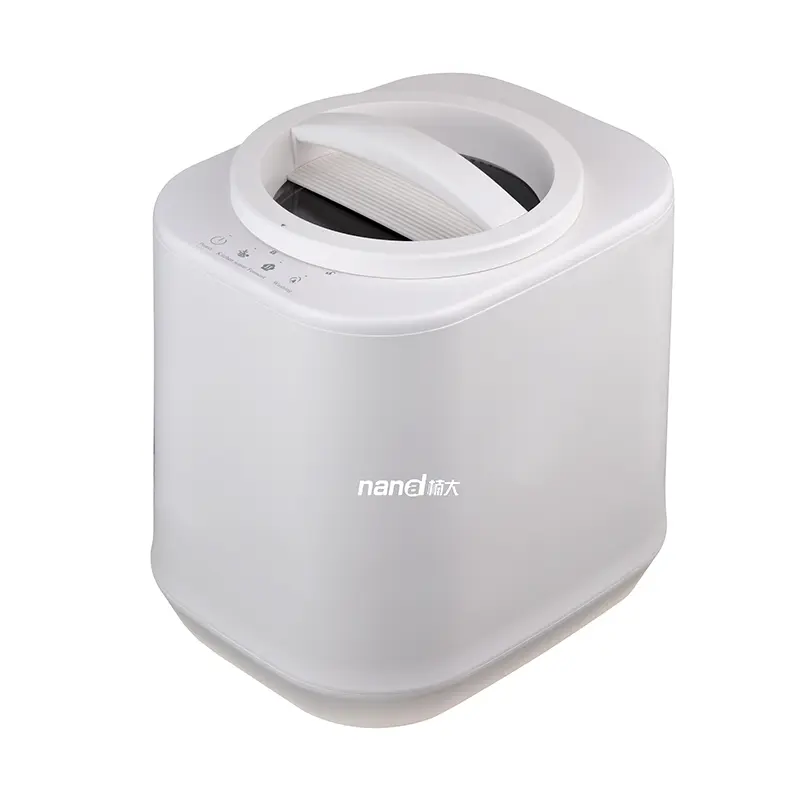 Nanda-Turbo Series-4L-011
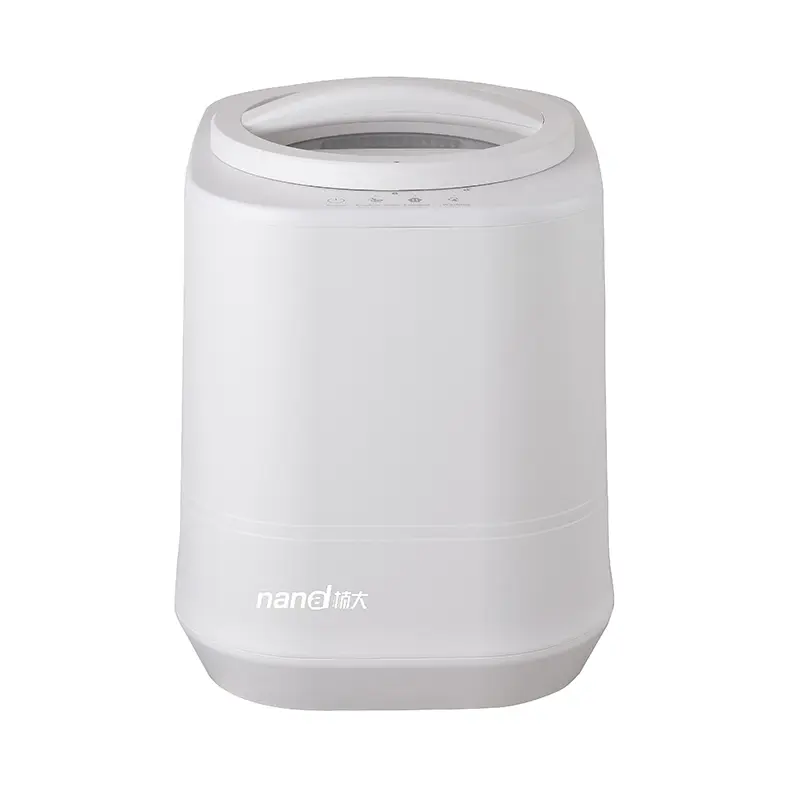 Nanda Turbo Series-4L-012
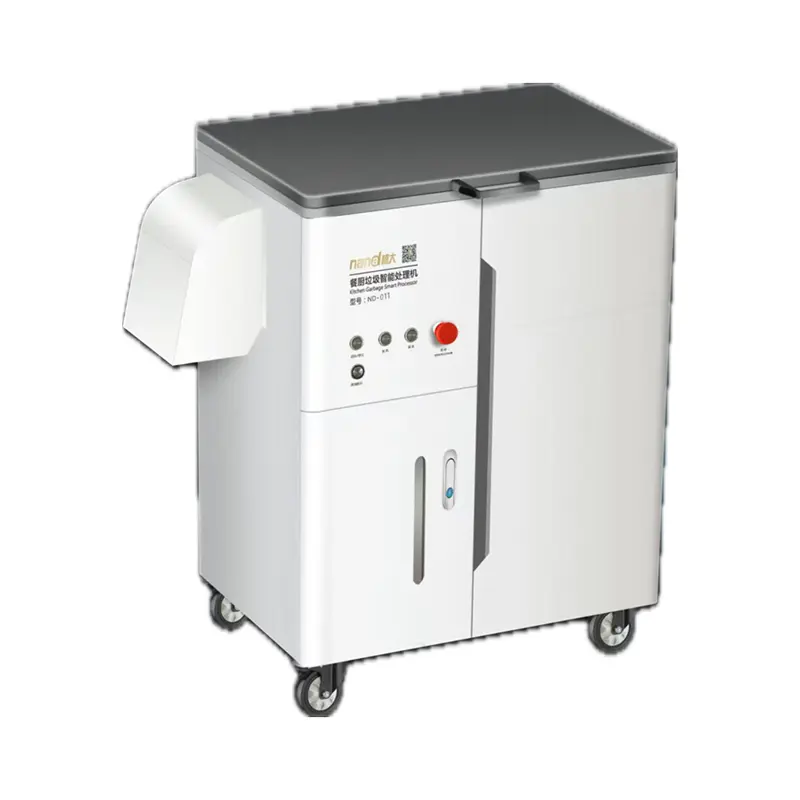 Oil-Water Separator