Best Compost Machine for Sustainable Living in 2026?
As we approach 2026, sustainable living remains a pressing concern. Compost machines play a crucial role in waste management and reducing landfill impact. According to the Environmental Protection Agency (EPA), composting can divert approximately 30% of household waste from landfills. This highlights the importance of selecting efficient compost machines.
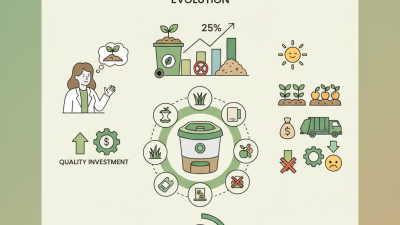
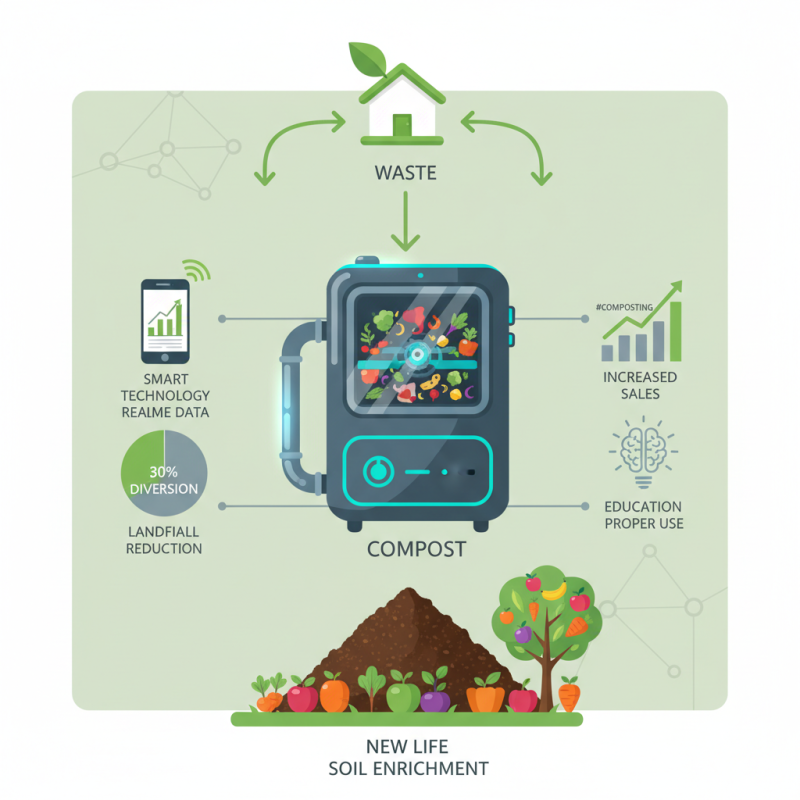
The evolution of compost machines reflects advancements in design and technology. In recent years, smart composting systems have emerged. These systems offer users real-time data and optimization features. A 2023 report from the Composting Association noted a 45% increase in compost machine sales. This trend indicates growing awareness and commitment to sustainable practices.
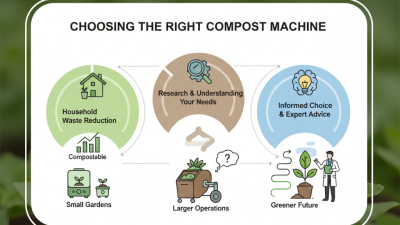
Despite the rise in compost machine usage, challenges remain. Many users struggle with proper waste separation and machine maintenance. Education on effective composting techniques is essential. Investing in a reliable compost machine is vital for a sustainable future. Choosing the right model can enhance effectiveness and convenience in composting efforts.
Types of Compost Machines Available in 2026
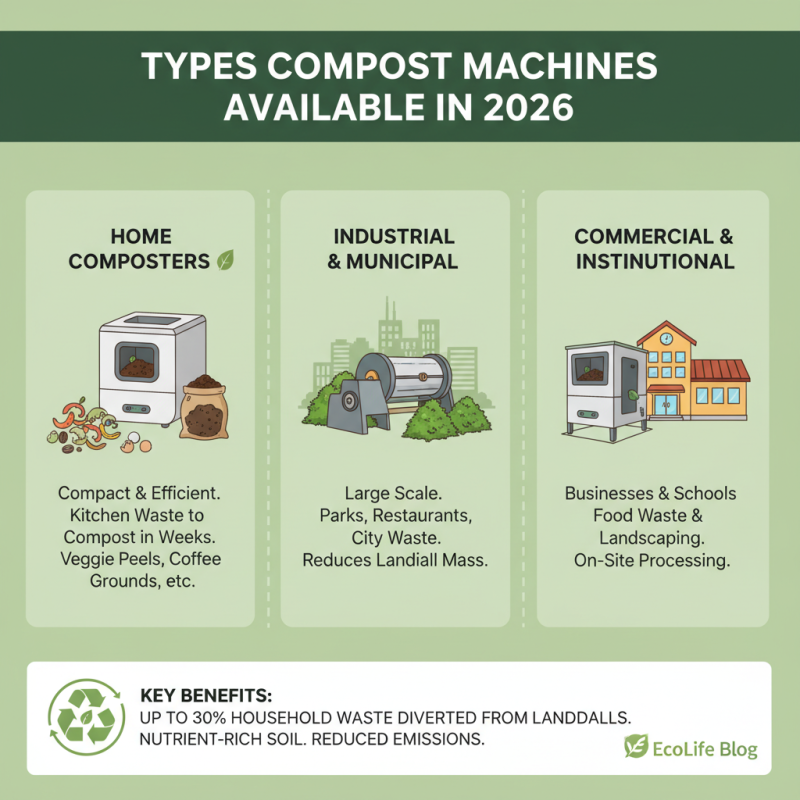
In 2026, various compost machines cater to diverse sustainability needs. Home composters, often compact and efficient, are popular for recycling kitchen waste. These machines can handle everything from vegetable peels to coffee grounds, turning waste into nutrient-rich compost in weeks. According to recent industry reports, around 30% of household waste can effectively be composted, significantly reducing landfill contributions.
For larger setups, aerobic compost tumblers are a great choice. They promote rapid decomposition while minimizing odors. Capacity ranges from 8 to over 30 gallons, ideal for families or community projects. Additionally, vermicomposters harness worms to break down organic matter, often producing compost faster than traditional methods. These systems can yield results within a few months, aligning with urban sustainability initiatives.
Tips: Start small with a bin for kitchen scraps. Learn what materials work best to avoid errors. Regular aeration and monitoring moisture levels will enhance compost quality. Experiment with combinations to see what produces the best results. Composting should adapt to your lifestyle; don't hesitate to make changes as needed. Even small adjustments can make a significant impact on your composting journey.
Key Features to Look for in Compost Machines
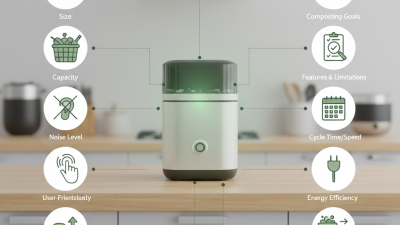
When selecting a compost machine for sustainable living, several key features can enhance the experience. First, look for machines that process kitchen scraps and yard waste effectively. A good compost machine should handle various materials, from fruit peels to dry leaves. This versatility is crucial for a successful composting journey.
Another important feature is the composting speed. Some machines can create compost in just a few weeks. This rapid process can be a game-changer for busy households. Additionally, temperature control is essential. Maintaining optimal heat levels helps break down organic matter quickly. Some devices even have built-in heating systems.
Don't overlook the design. A user-friendly interface is vital for beginners. Machines with clear instructions encourage regular use. Check for odor control features as well, since composting can create strong smells. Lastly, consider the durability of materials. Investing in long-lasting machines pays off in the long run. Sustainable living should be practical, and every choice matters.
Benefits of Using Compost Machines for Sustainable Living
Composting is crucial for sustainable living. Using compost machines offers significant benefits for both the environment and individual households. According to the Environmental Protection Agency (EPA), composting can reduce landfill waste by 30%, mitigating greenhouse gas emissions. These machines transform kitchen scraps and yard waste into valuable compost, enriching soil and promoting healthy plant growth.
Compost machines simplify the composting process. They create optimal conditions for decomposition, minimizing the odor and pests commonly associated with traditional composting methods. Users report producing compost in 4 to 6 weeks, a significant improvement over conventional methods that often take months. This speed ensures you have nutrient-rich compost ready to rejuvenate your garden in a timely manner.
Tip: Start by adding vegetable scraps, coffee grounds, and eggshells. Avoid meat and dairy, as they can attract unwanted pests.
Investing in a compost machine supports a circular economy. Each pound of compost reduces waste and returns nutrients to the soil. Recent studies show that composted soil retains water better, reducing irrigation needs by up to 30%. This practice encourages sustainable gardening methods and supports local biodiversity.
Tip: Keep your compost mixture balanced with greens and browns for optimal results. Regularly monitor moisture levels to maintain a healthy composting environment.
Top Recommendations for the Best Compost Machines in 2026
As we move towards 2026, finding effective compost machines can greatly enhance sustainable living. The Environmental Protection Agency (EPA) reports that composting can divert roughly 30% of household waste from landfills. With the right compost machine, people can significantly reduce their carbon footprint while enriching their gardens.
Currently, smaller, electric compost machines are gaining traction. They can process food scraps quickly, often in a matter of hours. Some models claim to reduce kitchen waste by over 90%. However, users often note challenges with odor control and capacity. A machine that works well for one household may not suit another’s needs. This variability requires careful selection.
On the other hand, traditional compost bins remain popular. They generally require more effort and time, yet they provide a sense of accomplishment. The process can take several months, and many users report frustration in achieving the right mix of green and brown materials. Still, these bins are low-cost and can produce high-quality compost with patience. Whether opting for a quick electric model or a classic bin, every choice must reflect personal values in sustainability.
Tips for Maintaining and Using Your Compost Machine Effectively
Maintaining a compost machine requires a proactive approach to ensure effectiveness. Regular aeration is vital. Many experts recommend turning your compost every two weeks. This allows air to flow, enhancing the decomposition process. According to the U.S. EPA, composting can reduce household waste by up to 30%. Thus, efficient management of your compost helps minimize landfill contribution.
Moisture levels are crucial too. Compost should feel like a damp sponge. If it becomes too dry, decomposition slows down. Over 50% of compost failures arise from improper moisture. Monitoring your bin’s temperature can also aid success. A warm pile indicates healthy microbial activity, typically between 130°F to 160°F.
Being mindful of what to compost is essential. Items like dairy and meat can create odors. Many composters overlook this aspect. However, keeping a balanced carbon-to-nitrogen ratio is critical. The ideal ratio is around 30:1. This not only helps in smoother decomposition but also prevents pests. Regularly checking the mix of your compost and making adjustments can yield better results and healthier soil.
Compost Machine Usage Trends for Sustainable Living in 2026
This chart illustrates the usage trends of different composting methods in 2026 among advocates of sustainable living. Indoor composting remains the most popular choice, while vermicomposting and Bokashi composting are gaining interest. Understanding these trends can help you choose the best compost machine for your needs.

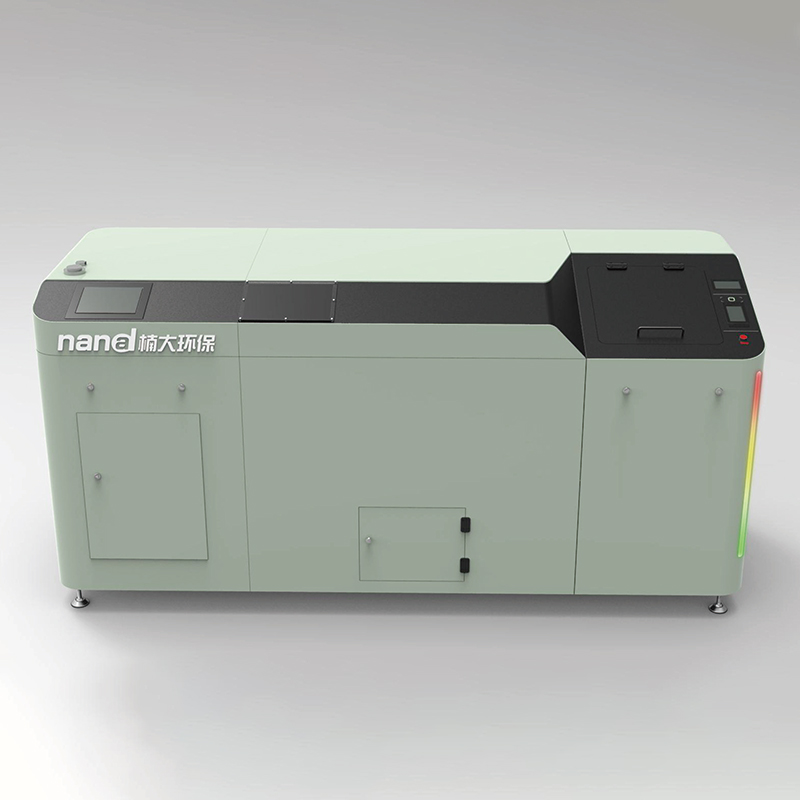 Nanda Trans Series-200
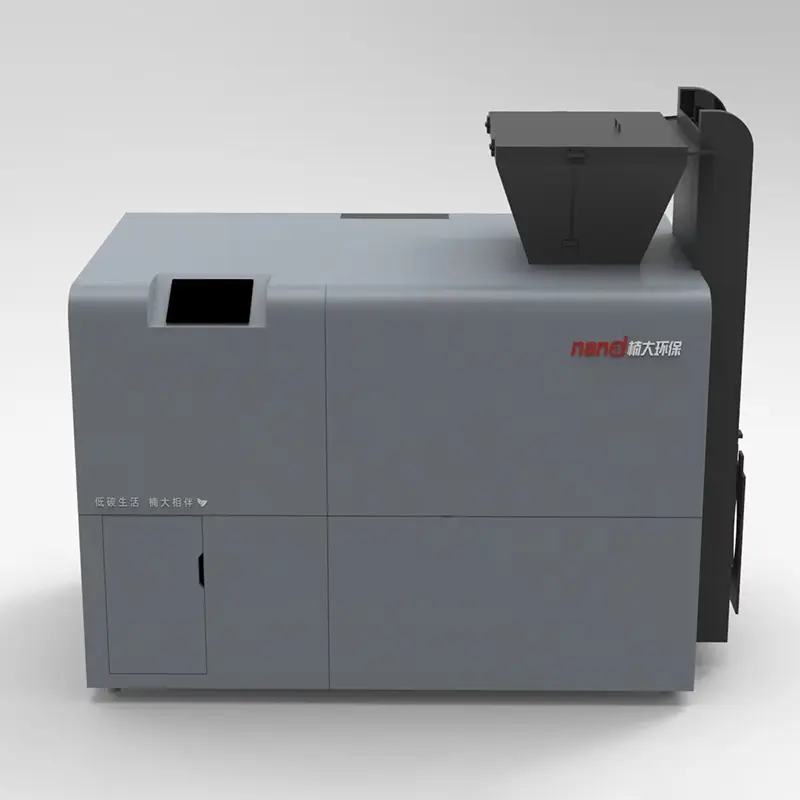 Nanda Trans Series-500
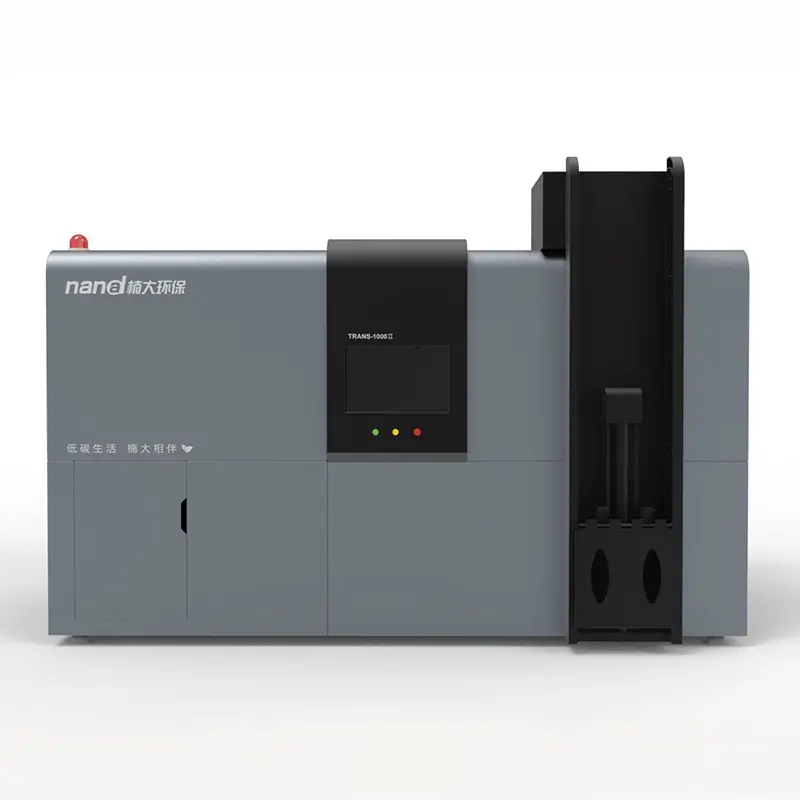 Nanda Trans Series-1000
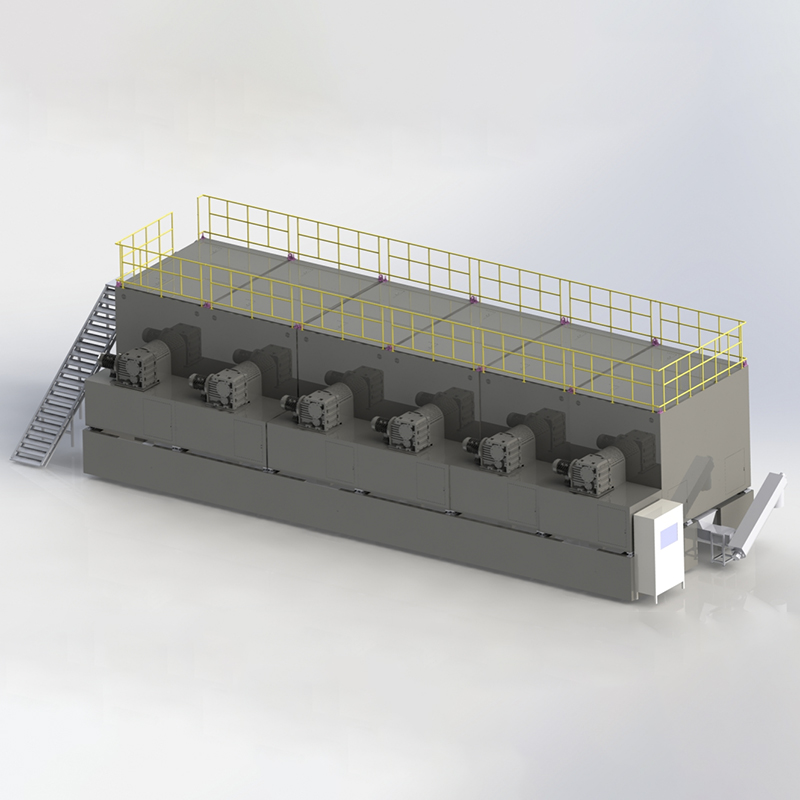 Nanda Trans Series-30000
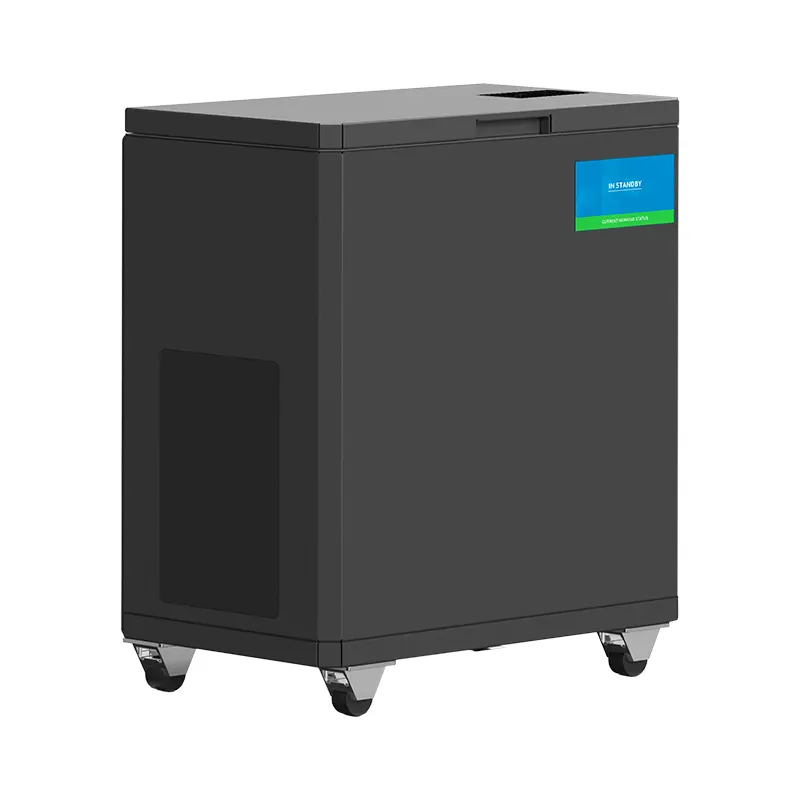 Nanda Thermax Series-100
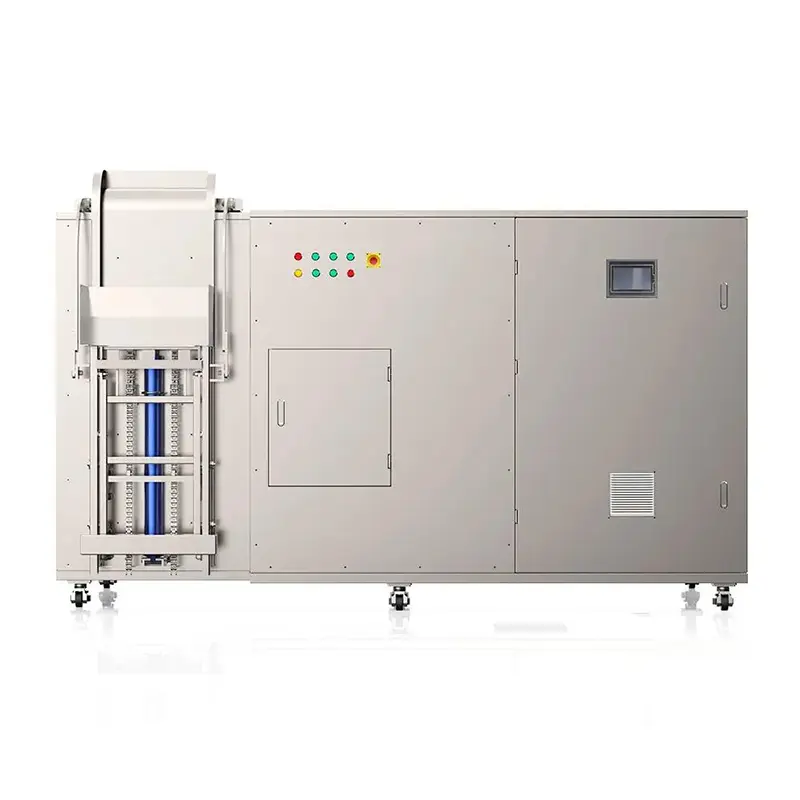 Nanda Thermax Series-200
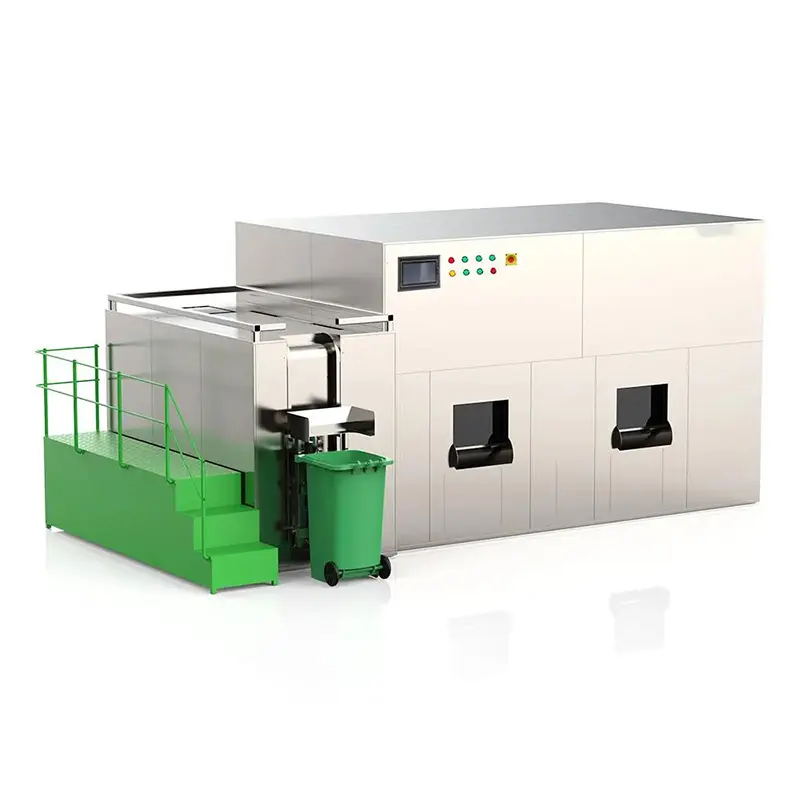 Nanda Thermax Series-2000
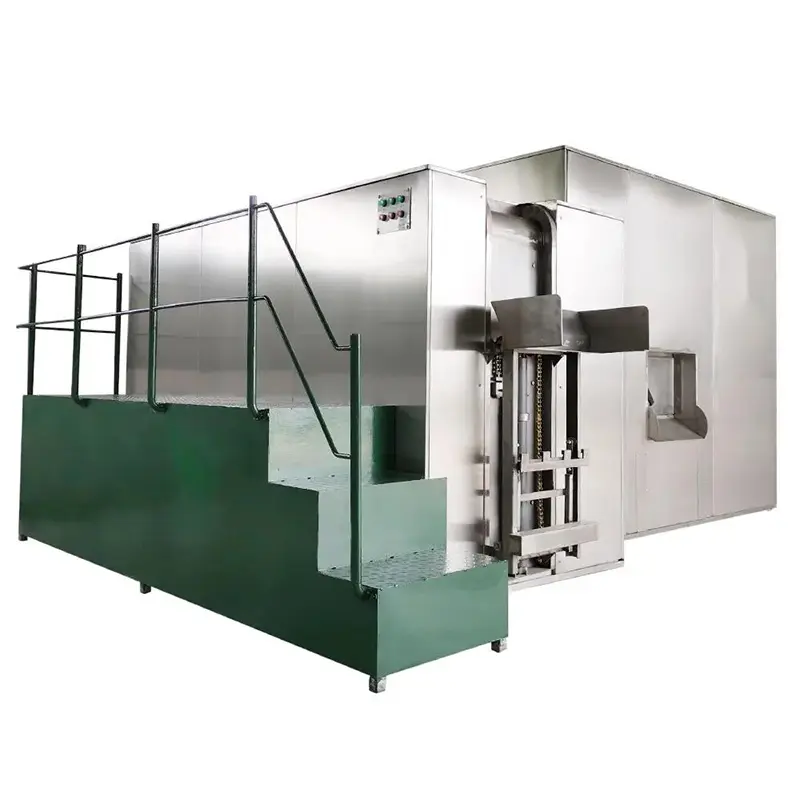 Nanda Thermax Series-10000
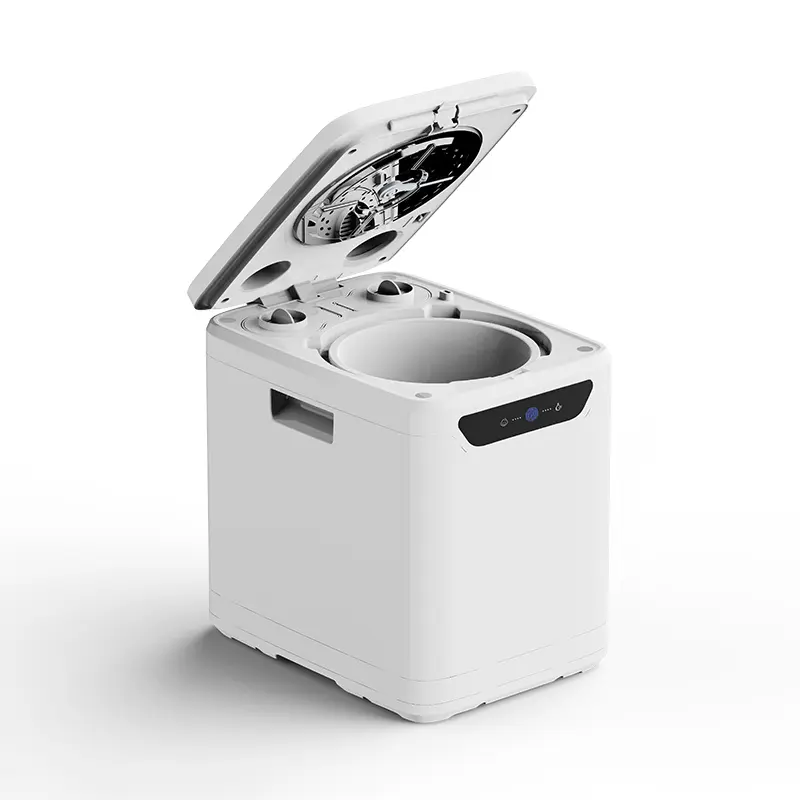 Nanda Turbo Series-3.5L-016
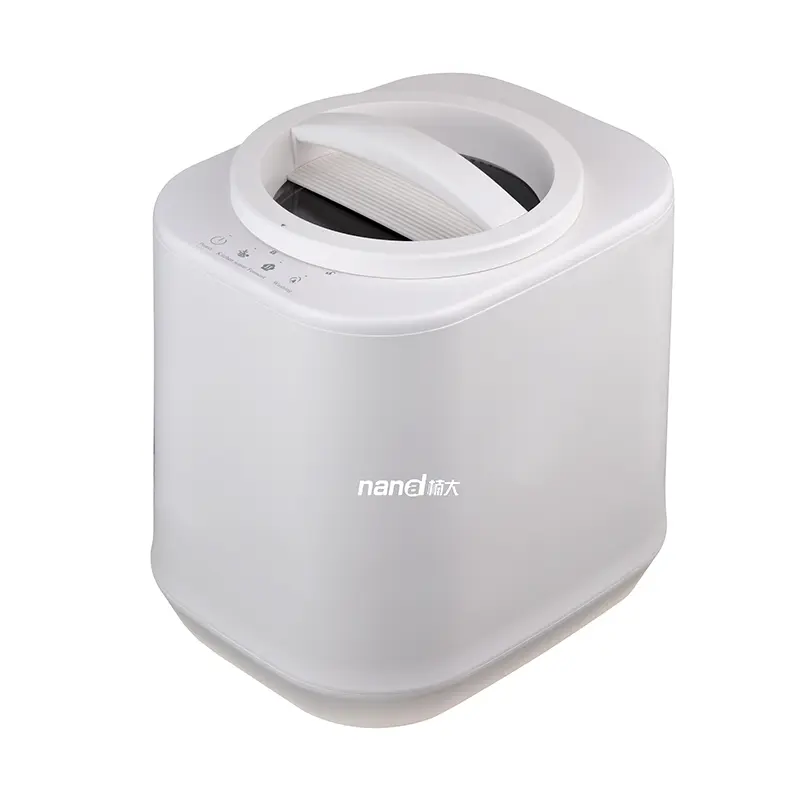 Nanda-Turbo Series-4L-011
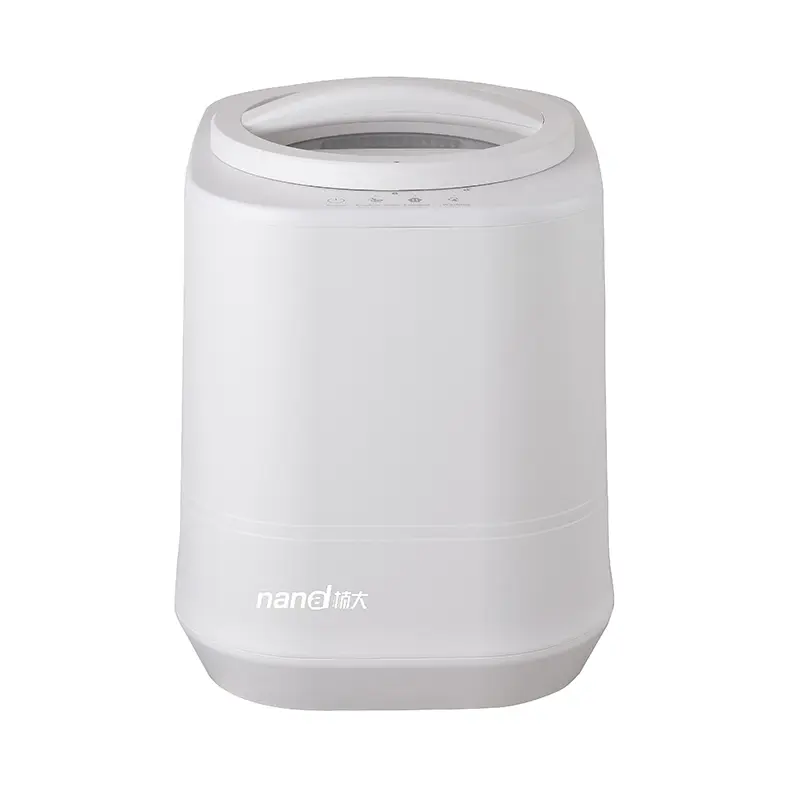 Nanda Turbo Series-4L-012
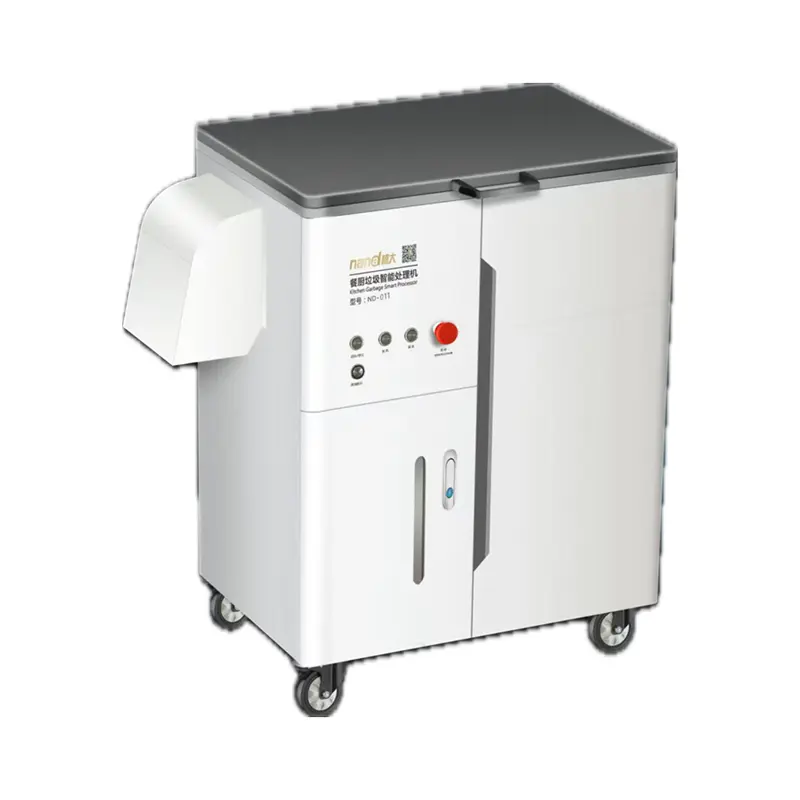 Oil-Water Separator