Top 5 Countertop Composter Options for Eco Friendly Living?
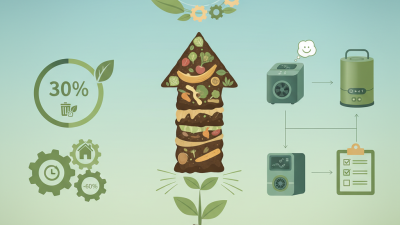
As sustainable living becomes increasingly vital, the use of a "Countertop Composter" presents an efficient solution for reducing food waste. According to the U.S. Environmental Protection Agency (EPA), organic waste comprises about 30% of the total waste stream. In 2022, an estimated 63 million tons of food waste were generated in the U.S. alone. By using countertop composters, households can significantly mitigate this issue while contributing to a healthier environment.
Countertop composters are compact and designed specifically for urban environments. A survey by the Food Waste Reduction Alliance found that 48% of consumers want to compost at home but cite lack of space as a barrier. These compact systems allow for easy integration into kitchen spaces, catering to this demand. However, not all countertop composters are created equal. Factors such as odor management, composting speed, and ease of use must be examined critically.
While countertop composting is a great step, it is not without its challenges. Many beginners may face difficulty understanding the balance of materials needed for effective composting. Inexperienced users often see little to no results, leading to frustration. A clear understanding of the composting process is essential for success. Thus, choosing the right countertop composter is crucial for anyone seeking to embrace eco-friendly living with confidence.
Understanding the Benefits of Countertop Composters for Eco-Friendly Living
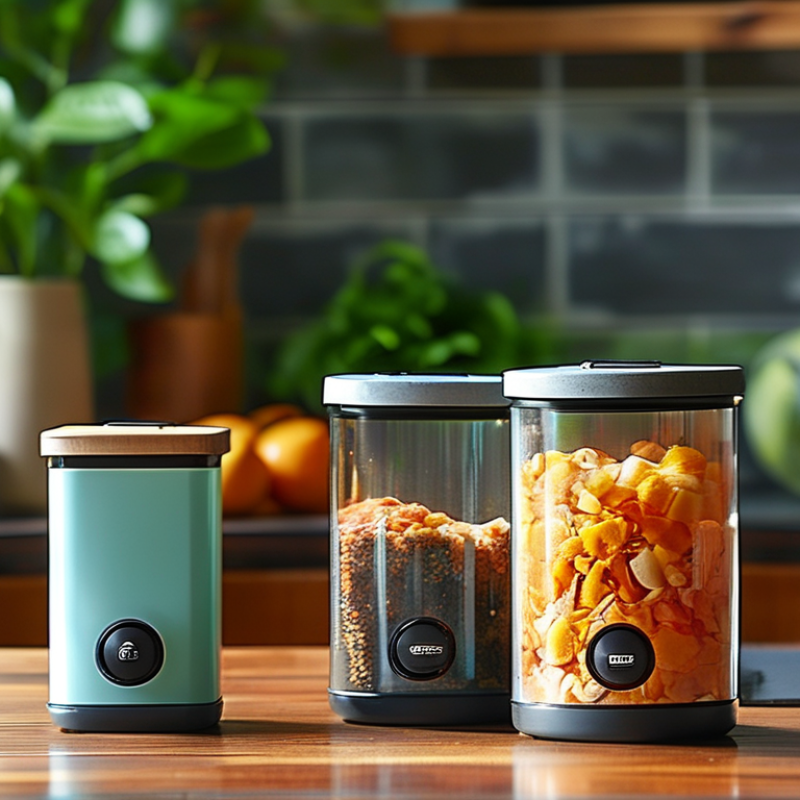
Countertop composters play a significant role in promoting eco-friendly living. These compact systems allow individuals to convert kitchen scraps into nutrient-rich compost. The United Nations reports that food waste accounts for nearly 35% of all waste globally. This staggering statistic highlights the urgent need for effective composting solutions.
Using a countertop composter can significantly reduce the waste sent to landfills. According to a study by the U.S. Environmental Protection Agency, composting can divert around 30% of household waste from disposal. Furthermore, the resulting compost enhances soil health. It provides essential nutrients for plants, leading to better growth and reduced need for chemical fertilizers.
Many homeowners express concern over odors and pests associated with composting. However, modern countertop systems are designed to manage these issues effectively. Many use airtight designs and advanced aeration techniques, eliminating unpleasant smells. Yet, achieving a balance in composting requires practice. While composters can simplify waste management, they also need diligent monitoring to ensure optimal conditions. The journey towards sustainable living with composting can be rewarding, despite the challenges.
Key Features to Look for in a Countertop Composter
When choosing a countertop composter, several key features stand out. The size is crucial. Many households do not generate large amounts of waste daily. A smaller model can suit cramped kitchens. However, larger units are more efficient for active composters. A compact design allows it to fit easily alongside kitchen appliances.
Aeration is essential for effective composting. Look for units with built-in ventilation systems. These systems speed up decomposition by allowing airflow. Research indicates that units with efficient aeration reduce composting time by up to 50%. This feature ensures that your compost remains odor-free and healthy.
Consider the materials used in construction. Durable, non-toxic materials are safer for indoor use. Stainless steel and high-quality plastics resist odors and stains. According to a study, composters made of these materials have a longer lifespan. Lastly, ease of cleaning is vital. Many models feature removable parts, simplifying maintenance. Regular cleaning aids in preventing pests and unpleasant smells.
Top 5 Recommended Countertop Composter Models for Home Use
When seeking eco-friendly solutions,
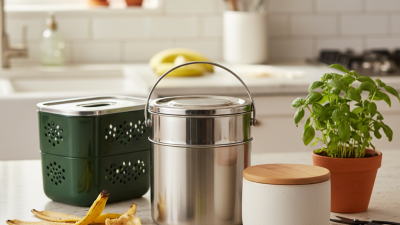
countertop composters
emerge as a top choice for home use. These devices provide a convenient way to recycle kitchen waste.
They can transform fruit peels, vegetable scraps, and other organic materials into nutrient-rich soil.
This not only helps reduce landfill waste but also enriches your garden.
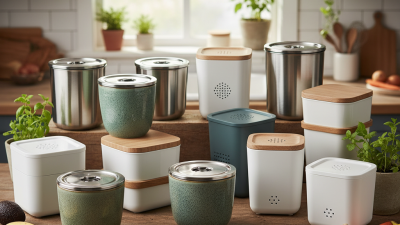
There are several models available, each with unique features. Some compact composters
operate quietly, making them ideal for small kitchens.
Others boast advanced odor control systems, ensuring a fresh environment.
Many users appreciate the ease of use; simply add waste, turn a dial, and let nature do the work.
However, some composters may require regular monitoring. Users need to ensure the balance of greens and browns
to achieve optimal results.
Cost can also vary significantly. Budget-friendly options might not include advanced features.
On the other hand, higher-end models may offer quicker composting cycles.
Potential buyers should consider their specific needs and space before making a decision.
Ultimately, it's about finding the right fit for your lifestyle, which may require some trial and error.
How to Maintain and Use Your Countertop Composter Effectively
Maintaining a countertop composter effectively requires understanding both its function and your waste habits. Regularly adding scraps like vegetable peels and coffee grounds helps create nutrient-rich compost. Research shows that around 40% of food waste can be composted, offering a substantial reduction in landfill contributions.
Monitoring moisture levels is crucial. Too much water can lead to an anaerobic environment, causing odor and slow decomposition. A balanced mix of greens and browns aids in maintaining this balance. Experts recommend using a carbon-rich material like shredded newspaper to counteract excess moisture. Aim for a 3:1 ratio of browns to greens for optimal results.
Cleaning your composter every few weeks is essential to prevent pests. Use a mild soap solution to remove residue. Sometimes, composters can attract fruit flies or other insects. Proper sealing and regular aeration can help mitigate this issue. Be prepared for minor hiccups along the way. Composting is a learning process. Adjusting routine and materials may be necessary. Remember, the goal is not perfection but sustainability.
Common Mistakes to Avoid When Using a Countertop Composter
Using a countertop composter can greatly reduce kitchen waste, but common mistakes can hinder its effectiveness. One common issue is overloading the composter. Many users underestimate the size limit and end up with a smelly mess. Experts recommend filling it only to about 75% capacity to allow for proper aeration. Overloading can lead to slow decomposition, which negates the purpose of composting.
Another frequent error is neglecting the balance of green and brown materials. Green materials provide nitrogen, while brown materials supply carbon. A ratio of 2:1 green to brown is ideal. However, people often forget to add enough brown materials. This imbalance can create a soggy, odoriferous mix instead of nutrient-rich compost.
Regular maintenance is also crucial. Users may forget to turn the compost or check moisture levels. The ideal moisture content should be comparable to a damp sponge. If neglected, the compost can become too dry or too wet, delaying the breakdown process. Data from the Compost Research Institute shows that proper maintenance increases the decomposition speed by at least 50%, ensuring a quicker return to usable compost.
Top 5 Countertop Composter Options for Eco Friendly Living

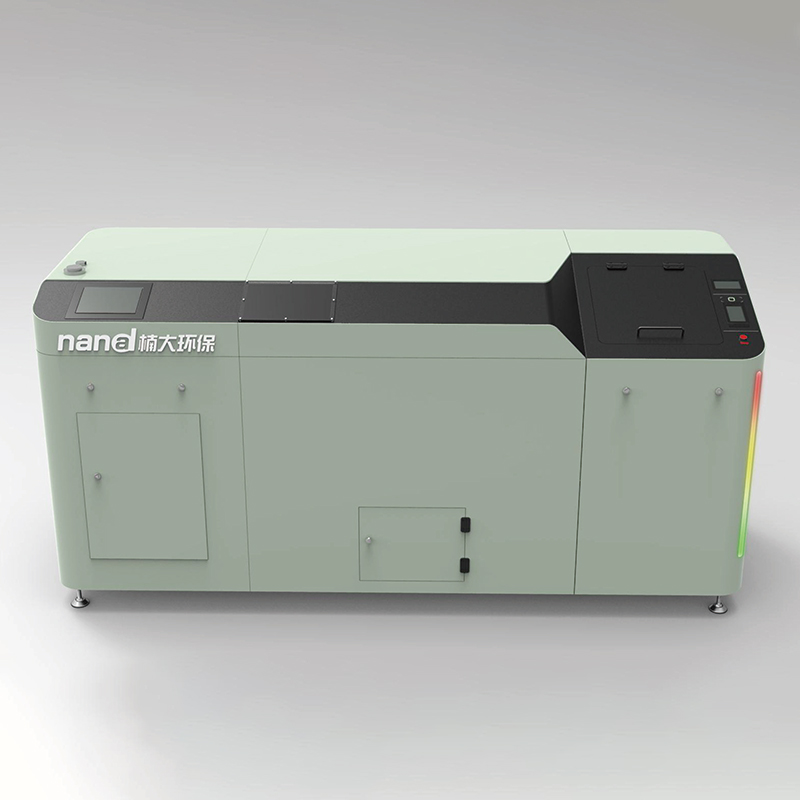 Nanda Trans Series-200
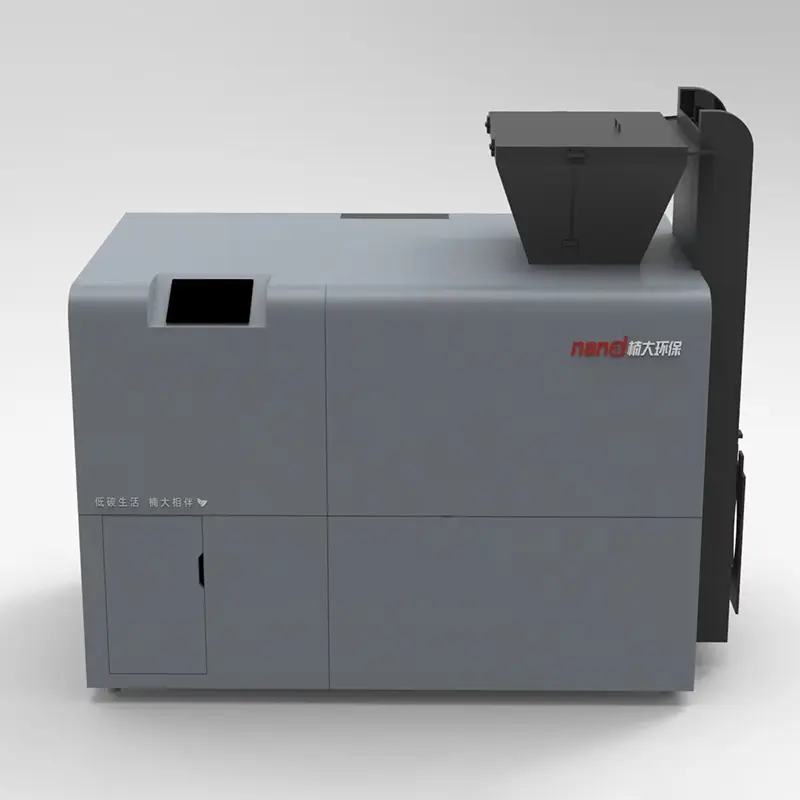 Nanda Trans Series-500
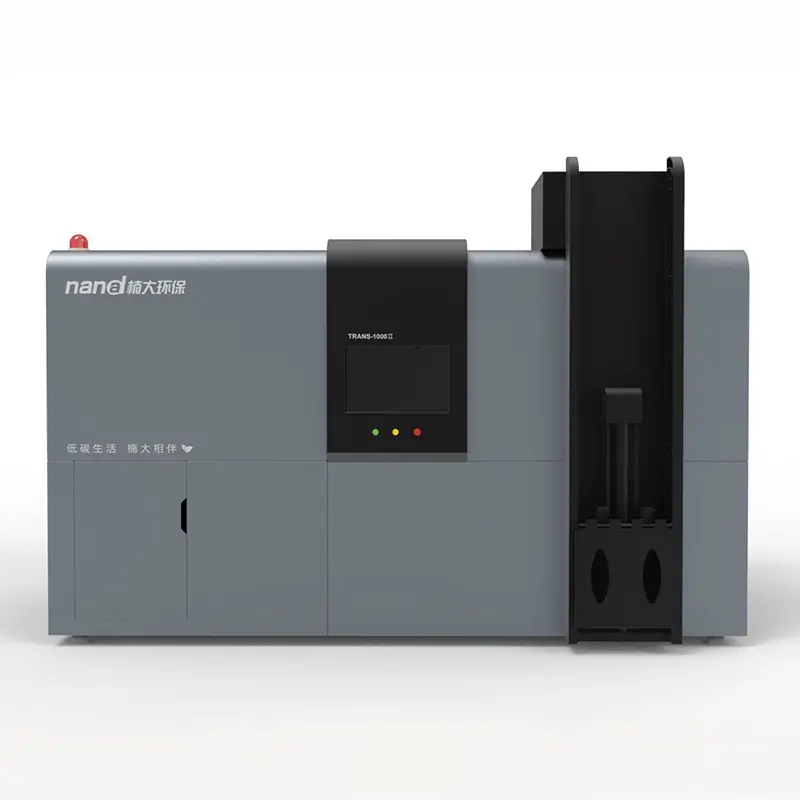 Nanda Trans Series-1000
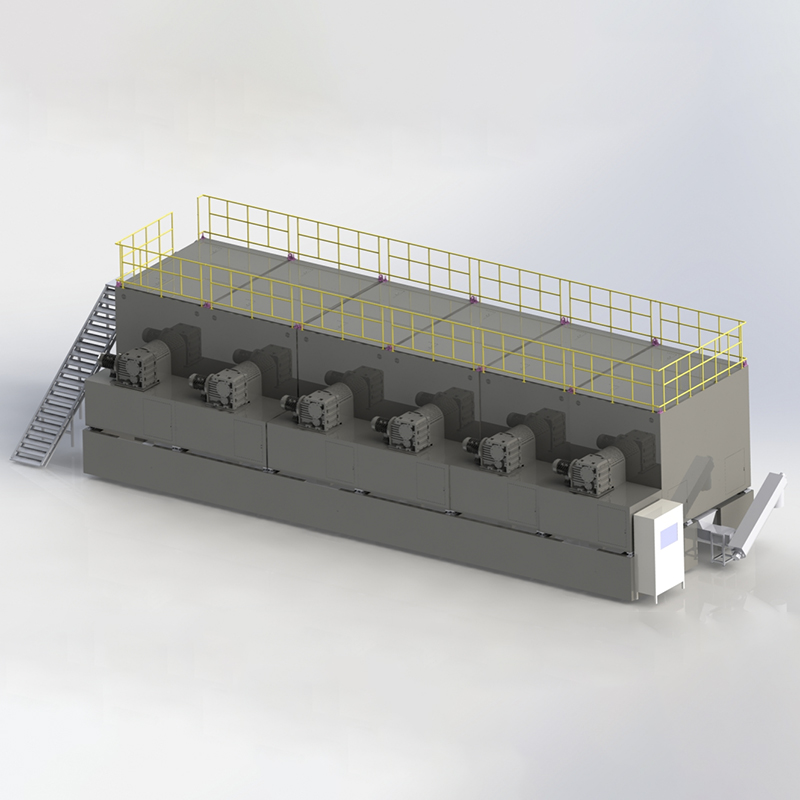 Nanda Trans Series-30000
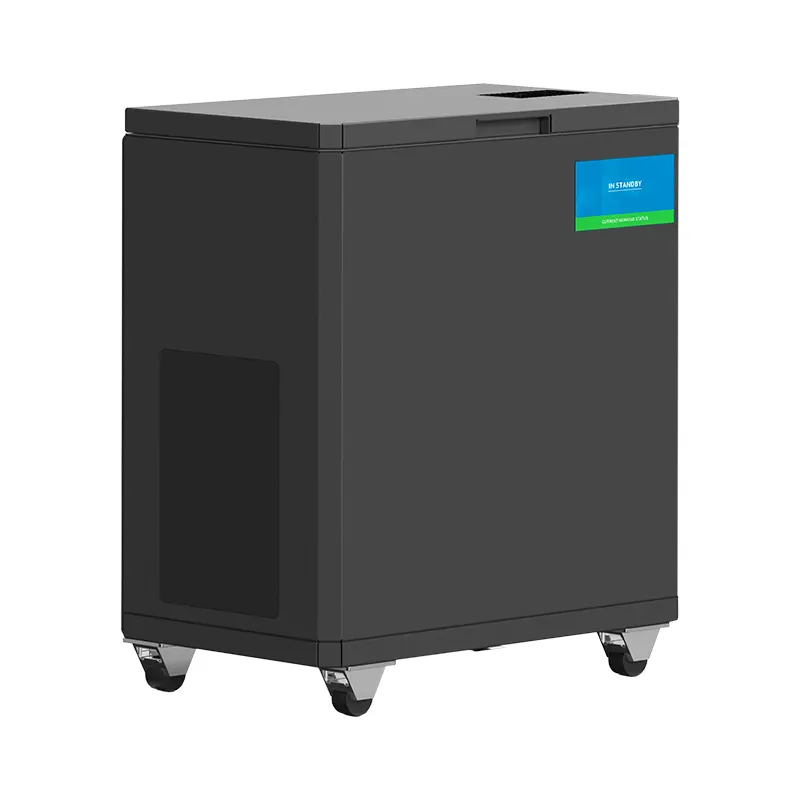 Nanda Thermax Series-100
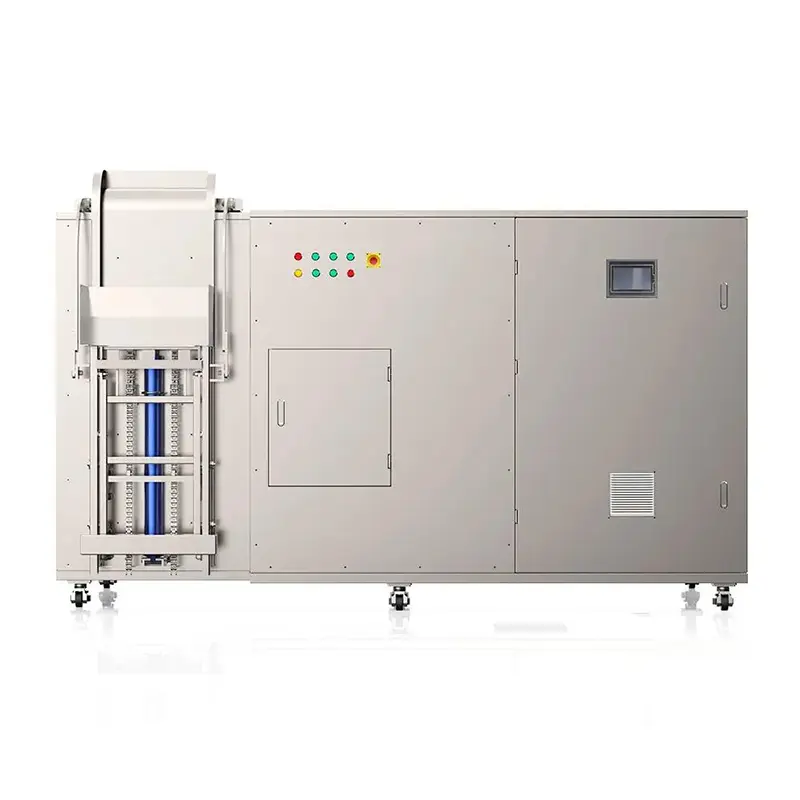 Nanda Thermax Series-200
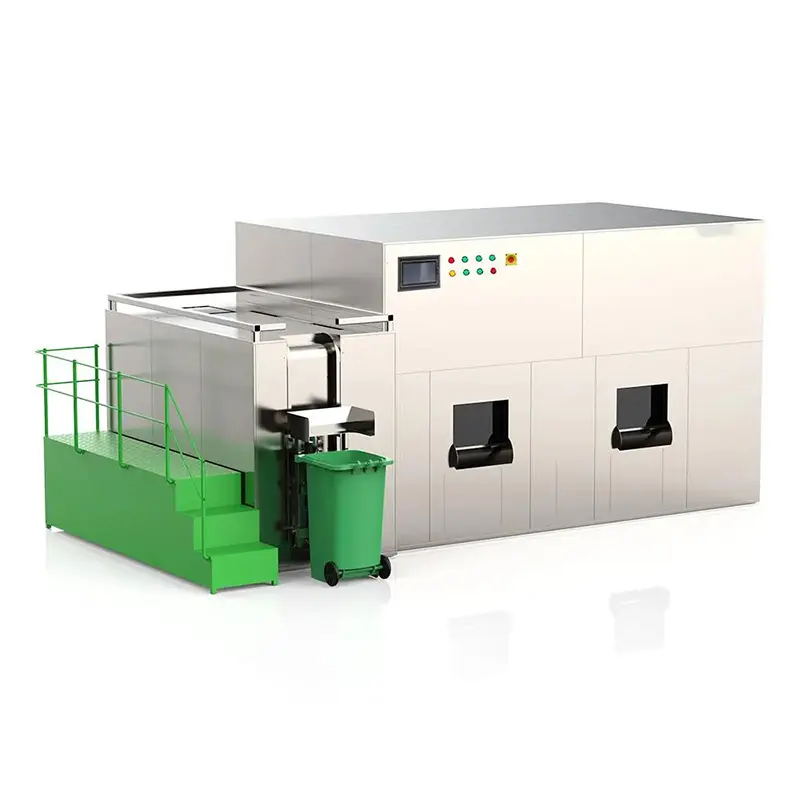 Nanda Thermax Series-2000
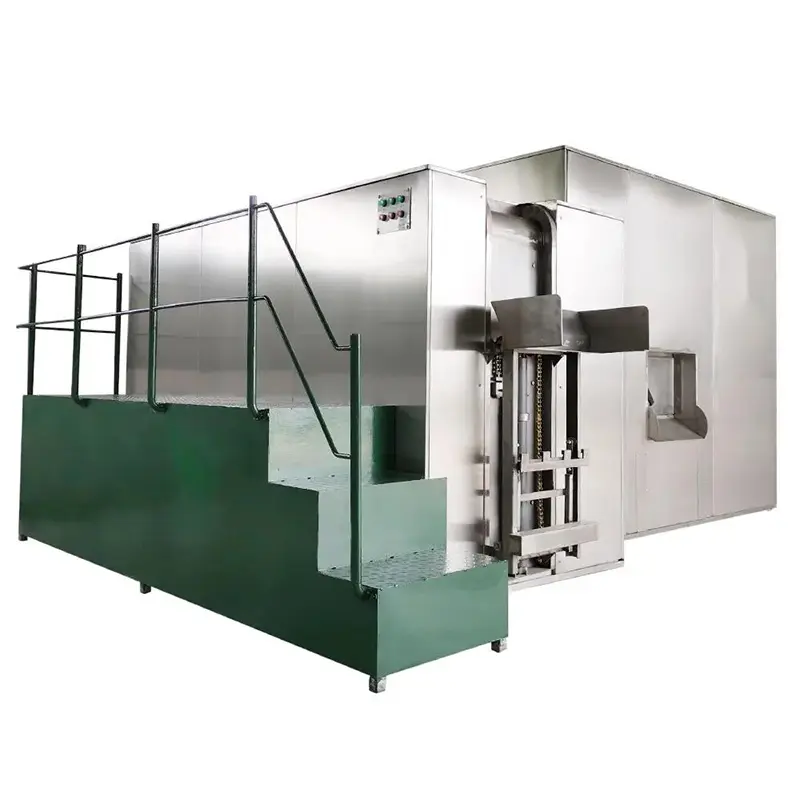 Nanda Thermax Series-10000
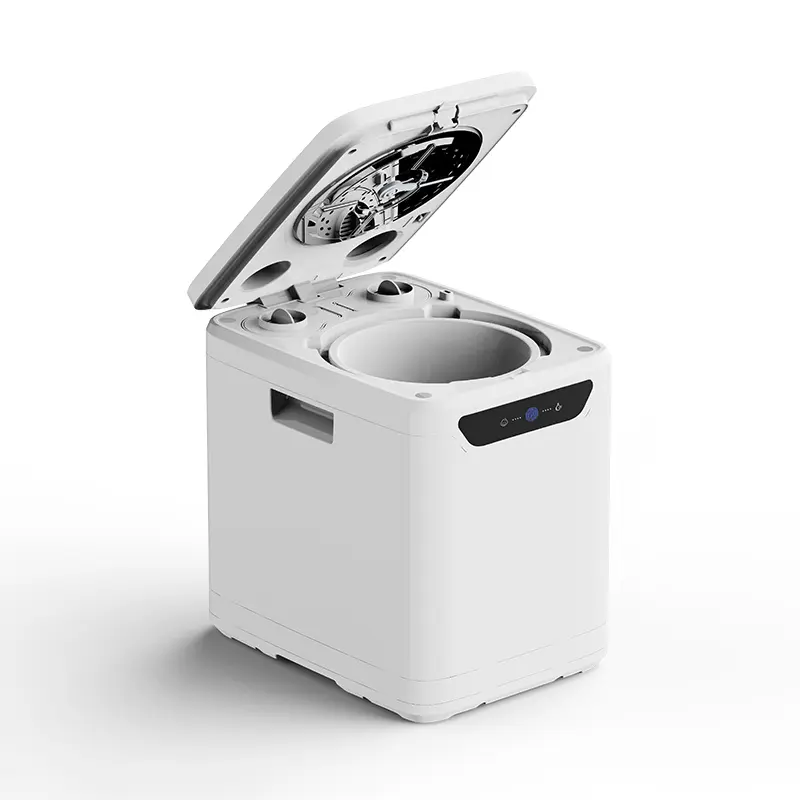 Nanda Turbo Series-3.5L-016
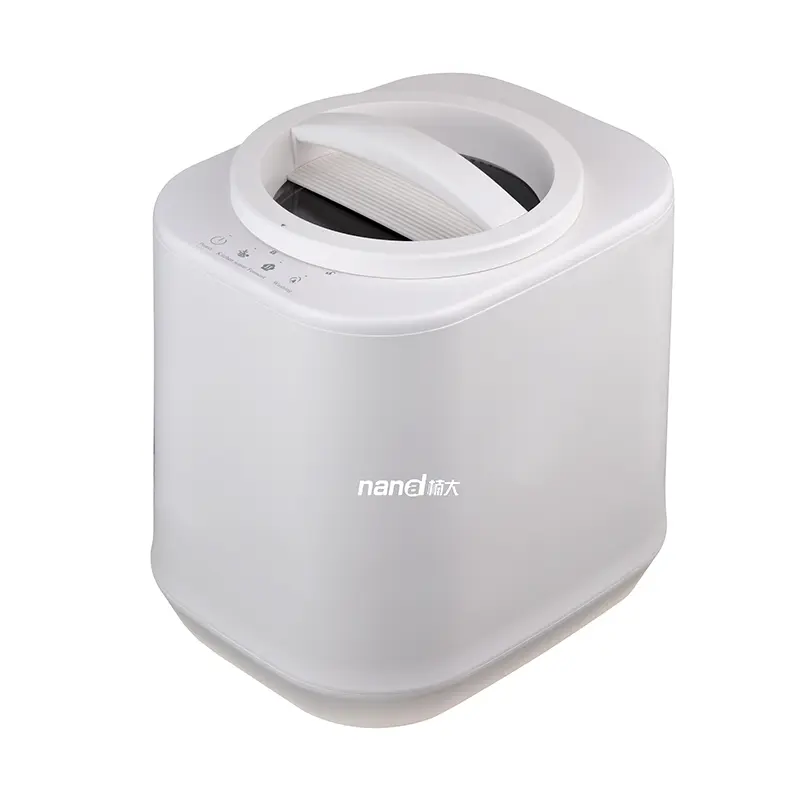 Nanda-Turbo Series-4L-011
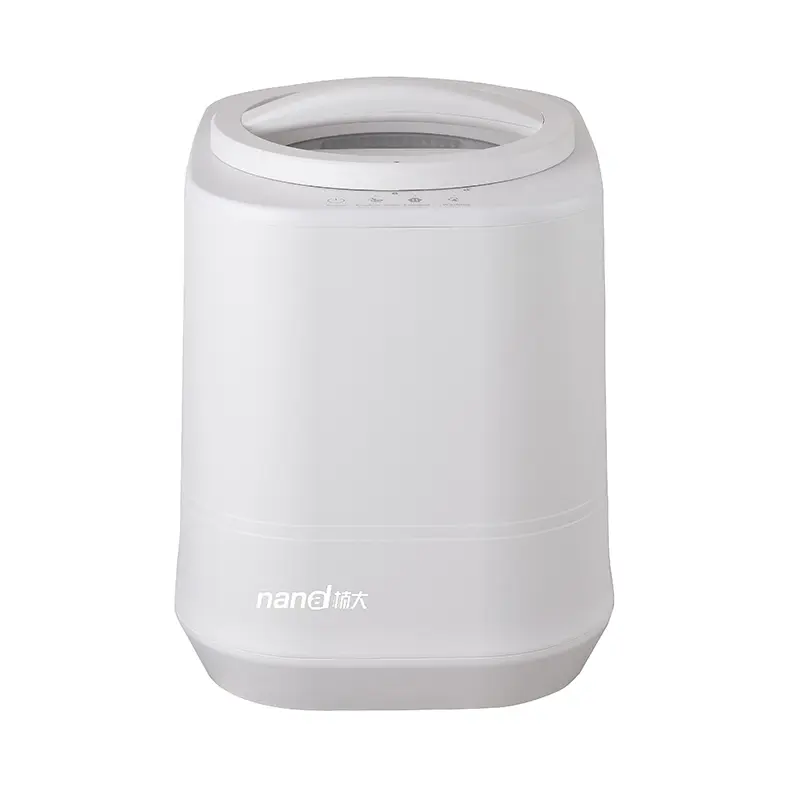 Nanda Turbo Series-4L-012
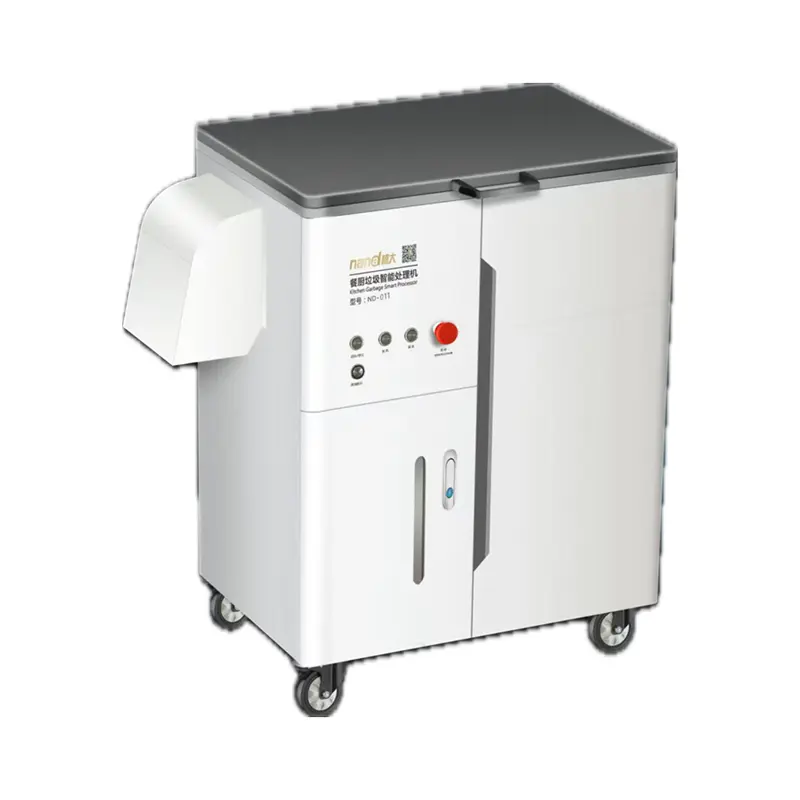 Oil-Water Separator