2026 Best Food Composter Machine for Commercial Use
The 2026 Best Food Composter Machine for Commercial Use must solve a measurable waste problem, not merely promise faster processing. The UNEP Food Waste Index Report 2024 estimated 1.05 billion tonnes of food waste worldwide in 2022. Food service operations generated about 28% of that total. Hotels, hospitals, supermarkets, and restaurant groups therefore need equipment that performs reliably during peak kitchen hours.
A practical Food Composter Machine should handle variable moisture, bones, vegetable scraps, and occasional packaging contamination. Throughput matters, but so do odor control, noise, energy consumption, cleaning access, and output maturity. Robert Rynk, a recognized composting specialist and editor of The Composting Handbook, describes composting as “the controlled aerobic decomposition of organic materials by microorganisms.” That principle remains important, even when machines use heat, mixing, airflow, or dehydration.
The U.S. Environmental Protection Agency also identifies food waste prevention and organics management as major priorities within its Sustainable Materials Management framework. Commercial buyers should examine verified capacity, cycle duration, temperature records, warranty coverage, and local service support. A machine processing 500 kilograms daily may perform differently with wet rice than with dry bakery waste. That detail is easy to miss. No machine is perfect. Some systems reduce volume more than they create finished compost. Others need curing space after processing. This guide compares leading 2026 models through operational evidence, manufacturer specifications, and practical purchasing considerations. The final choice should fit the facility’s waste profile, labor capacity, compliance requirements, and long-term sustainability goals.
Commercial Food Composters: Definition and Core Processing Principles
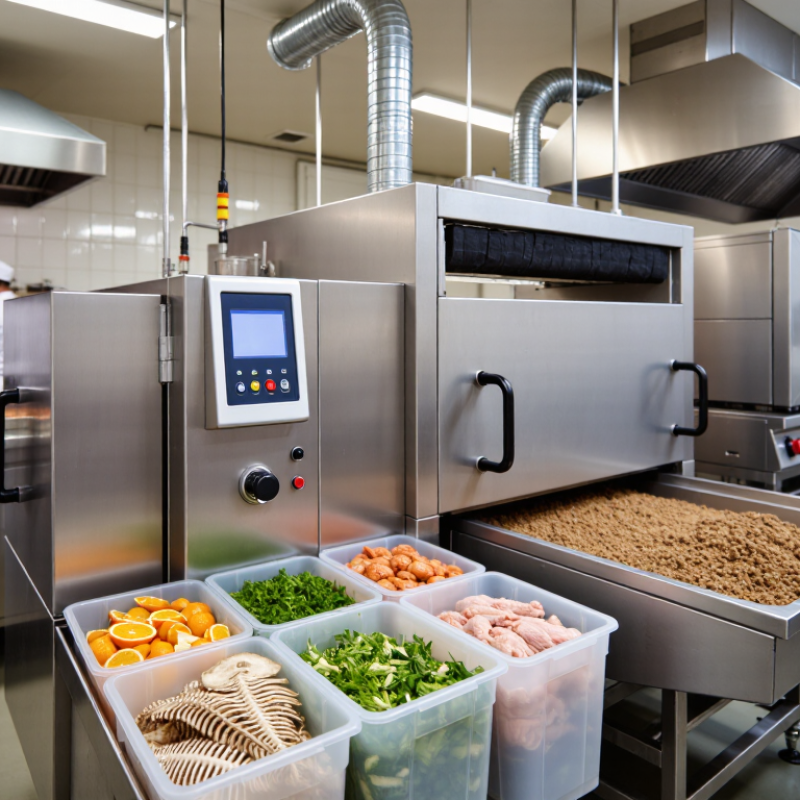
Commercial food composters are enclosed systems that process food scraps near the point of disposal.
They reduce volume through controlled aerobic decomposition. Unlike ordinary waste dryers, they rely on microorganisms, oxygen, moisture, and heat. Some machines grind food waste before treatment. Others mix it with bulking material, such as wood fiber.
The core process begins with size reduction and blending.
Smaller pieces expose more surface area to microbial activity. Airflow then supplies oxygen and limits anaerobic odors. Sensors may track temperature, moisture, and motor performance.
A stable internal temperature supports faster decomposition, but heat alone does not create finished compost. The material usually needs additional curing, depending on local requirements and its final use.
In commercial kitchens, daily loading habits matter.
Too much liquid can produce a wet, compact mass. Excessive grease may slow microbial activity and create maintenance problems.
Clean separation also matters.
Plastic film, metal, and treated packaging can contaminate the output. They should be removed before processing.
Operators should inspect the chamber, clean screens, and record operating conditions.
Small records reveal recurring problems. Poor airflow often appears as odor before equipment failure. I have found that simple staff training can improve results more than complex settings.
Still, machine performance varies with food type, climate, and maintenance quality. A model that handles cafeteria scraps may struggle with dense meat waste or seasonal produce. Claims of instant compost deserve careful review.
Key Features of the Best Food Composter Machines in 2026
Key Features of the Best Food Composter Machines in 2026
Commercial food waste is rising, making equipment selection more technical. The UNEP Food Waste Index Report 2024 estimated 1.05 billion tonnes of food waste in 2022. Food service generated about 28% of that volume. A suitable composter must handle peak loads, not only average daily input.
Throughput is important, but speed alone can mislead. A strong machine should include accurate weighing, automatic moisture control, and a sealed feed chamber. These features help manage wet scraps, bones, and fibrous vegetables. Odor filtration also matters near kitchens. Look for carbon filtration or biofiltration with replaceable media. Internal temperatures should be monitored continuously, with records available for operational checks. Hygienic surfaces and tool-free access reduce cleaning time.
Energy and water consumption deserve equal attention. The U.S. EPA’s Wasted Food Scale favors prevention and recovery before treatment, so machines should not replace donation or source reduction programs. Choose equipment with insulated chambers, efficient motors, and clear power data. A 24-hour cycle may sound impressive. It may still produce unstable material. Operators should test moisture, odor, and texture across several weeks. That practical trial is often overlooked. Remote alerts, simple controls, and local servicing can prevent a full bin from becoming a costly emergency.
How to Evaluate Capacity, Efficiency, and Operating Costs
2026 Best Food Composter Machine for Commercial Use
Capacity should match real kitchen behavior, not an optimistic brochure figure. The UNEP Food Waste Index Report 2024 estimates 1.05 billion tonnes of food waste worldwide in 2022. Food service generated 28% of that volume. Measure daily inputs for at least two weeks, including busy weekends. Record peak loads, moisture, bones, packaging, and unavoidable contamination. A machine rated for 500 kilograms daily may struggle when one delivery creates a sudden 180-kilogram surge.
Efficiency needs measurable proof. Ask for processing time, acceptable moisture range, energy use per tonne, and residual output. The U.S. Environmental Protection Agency places prevention and donation above treatment in its Wasted Food Scale. That principle matters. A composter should process unavoidable scraps, not hide preventable waste. Check whether claimed volume reduction means water evaporation or actual biological conversion. Those results are not identical. Request operating data from a similar kitchen.
Operating cost is more than electricity. Include labor minutes, cleaning water, filters, additives, repairs, training, and final hauling. Use a simple monthly model: energy cost plus labor, maintenance, consumables, and residual disposal. Divide the total by tonnes processed. Keep a 30-day meter log. It may expose an uncomfortable truth: a smaller unit with steady loading can outperform a larger machine running half-empty. I would also budget for mistakes. Staff turnover, wet scraps, and ignored cleaning schedules can quickly weaken efficiency.
2026 Best Food Composter Machine for Commercial Use - How to Evaluate Capacity, Efficiency, and Operating Costs
| Commercial Machine Class |
Typical Daily Input Capacity |
Recommended Food-Waste Volume |
Typical Processing Cycle |
Approximate Mass Reduction |
Typical Electrical Load |
Estimated Electricity Use |
Indicative Operating Cost |
Typical Footprint |
Best-Fit Application |
| Small On-Site Commercial Unit |
50–150 kg/day |
25–120 kg/day recommended |
18–36 hours |
70–90% by weight |
2–6 kW |
8–35 kWh/day |
Approximately US$1–5 per operating day* |
1.5–4 m² |
Restaurants, cafés, offices, schools, and small hospitality sites |
| Medium Continuous-Feed Unit |
150–500 kg/day |
100–400 kg/day recommended |
16–30 hours |
70–90% by weight |
5–15 kW |
30–120 kWh/day |
Approximately US$4–18 per operating day* |
4–10 m² |
Hotels, supermarkets, hospitals, campuses, and central kitchens |
| Large Commercial Processing Unit |
500–1,500 kg/day |
350–1,200 kg/day recommended |
18–36 hours |
65–90% by weight |
12–40 kW |
100–350 kWh/day |
Approximately US$12–53 per operating day* |
10–25 m² |
Large food-service operations, distribution centers, and institutional facilities |
| High-Throughput Centralized Unit |
1,500–5,000 kg/day |
1,000–4,000 kg/day recommended |
24–48 hours |
60–90% by weight |
30–120 kW |
300–1,000 kWh/day |
Approximately US$36–150 per operating day* |
25–80 m² |
Food-processing sites, large institutions, and multi-site waste hubs |
Evaluation notes:
Capacity figures are typical commercial equipment ranges and should be matched to the site's measured daily food-waste volume, peak-day volume, moisture content, and contamination rate. Energy estimates assume electric aerobic processing equipment operating near its recommended load. Electricity cost estimates use an illustrative commercial electricity rate of US$0.12–0.15 per kWh and exclude labor, water, consumables, maintenance, transport, installation, depreciation, and disposal charges. Actual results vary with feedstock composition, ambient temperature, loading pattern, ventilation, and local utility prices.
Installation, Maintenance, Safety, and Regulatory Considerations
2026 Best Food Composter Machine for Commercial Use
A commercial food composter needs a firm, level floor with clear service access. Keep it near food waste collection points, but away from customer dining areas. Check power capacity, ventilation, drainage, and ceiling height before delivery. A small mistake here can cause expensive relocation work. Leave enough space for cleaning panels and replacing filters. Confirm whether the building needs upgraded wiring or fire protection.
Daily operation should include removing contamination, checking temperature, and recording processing cycles. Staff should never place glass, metal, chemicals, or packaging into the chamber. Use gloves, eye protection, and lockout procedures during internal cleaning. Hot material can look harmless. It is not. Inspect seals, screens, fans, and odor controls on a planned schedule. Moisture balance also matters; overly wet inputs may create leaks and unpleasant smells. Operators often adjust food ratios gradually, because ideal settings vary by kitchen.
Before installation, contact local environmental, fire, electrical, and wastewater authorities. Requirements may cover odor emissions, noise, ventilation, organic waste storage, and discharge handling. Keep service records, staff training logs, and waste-flow documents. These records support inspections and reveal recurring faults. Local rules can change, and online advice may be incomplete. Ask a qualified technician to verify compliance for your site. A practical review after the first month is worthwhile. It may expose problems that commissioning tests missed.
2026 Best Food Composter Machine for Commercial Use
Installation, Maintenance, Safety, and Regulatory Considerations
The chart shows U.S. federal process-control benchmarks for pathogen reduction at or above 55°C (131°F): 3 days for static aerated piles, 3 days for within-vessel processing, and 15 days for windrow processing with required turning. These benchmarks are specified for sewage-sludge treatment under 40 CFR Part 503 and should not be treated as a universal food-waste law. Commercial operators must verify local permitting, temperature-recording, ventilation, electrical, fire, worker-safety, and maintenance requirements before installation.
Reference: U.S. Environmental Protection Agency, 40 CFR §503.32 and Appendix B — Process to Further Reduce Pathogens.
Comparing Commercial Food Composter Types for Different Businesses
2026 Best Food Composter Machine for Commercial Use
Commercial food composter machines serve different business conditions. In-vessel aerobic composters suit hotels, hospitals, and large cafeterias with steady daily waste. They use controlled airflow, heat, and mixing to process food scraps inside an enclosed chamber. This design reduces odors and supports consistent treatment.
Dehydrator-Style Machines
Dehydrator-style machines fit restaurants with limited space and lower waste volumes. They remove moisture quickly, shrinking scraps into a dry material. However, the output is not always finished compost. It may need curing or further processing before soil use. Small businesses should check ventilation, noise, electricity demand, and daily loading time. Convenience can hide operating costs.
Continuous Digesters
Continuous digesters work well for campuses, markets, and food factories producing waste throughout the day. Some systems require careful carbon-balance management, while others depend on microbial additives. Operators should measure actual waste for at least one week before purchasing. A machine rated for maximum capacity may perform poorly when fed unevenly. That happens often.
Practical Selection Considerations
Wet scraps, bones, oily foods, and packaging can affect performance. Staff training also matters. Even an advanced machine cannot correct careless sorting. Businesses should compare cycle time, cleaning access, odor control, maintenance support, and output handling. The cheapest option may create more labor later. I would also leave space for future growth, but not overbuy blindly. A realistic trial period often reveals problems that brochures overlook.

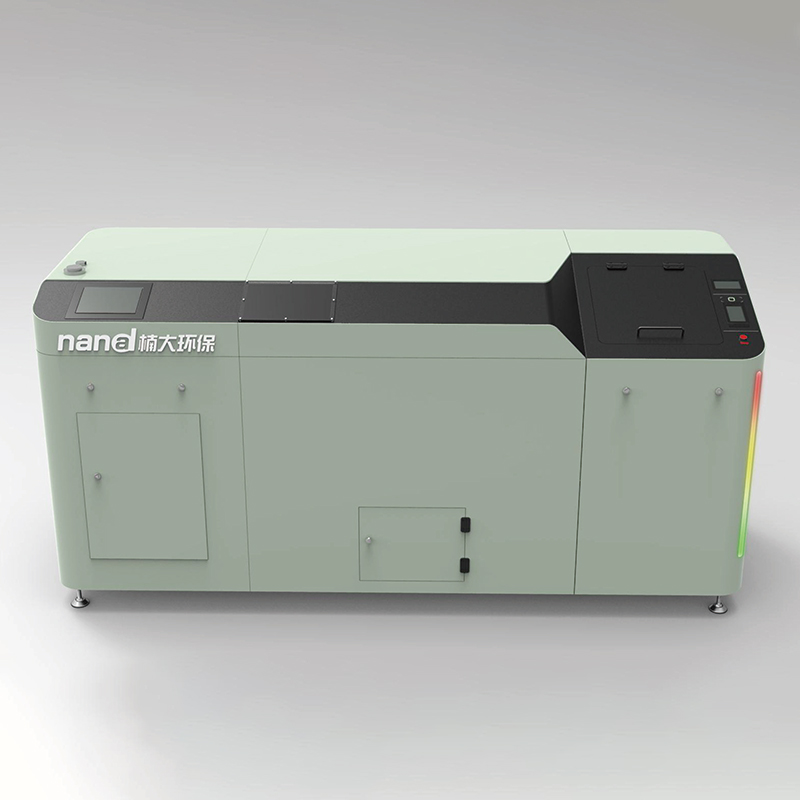 Nanda Trans Series-200
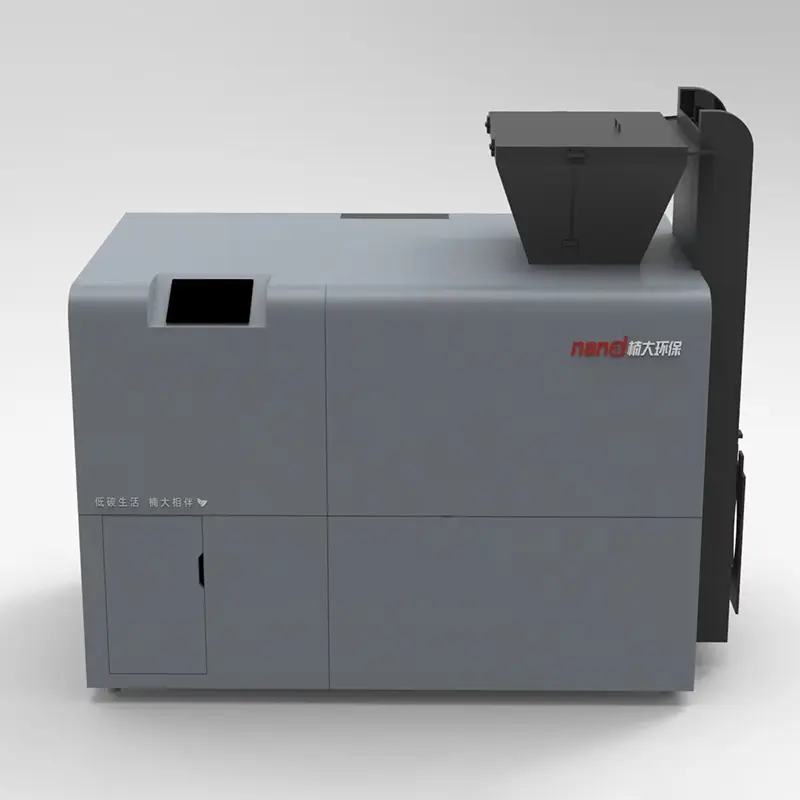 Nanda Trans Series-500
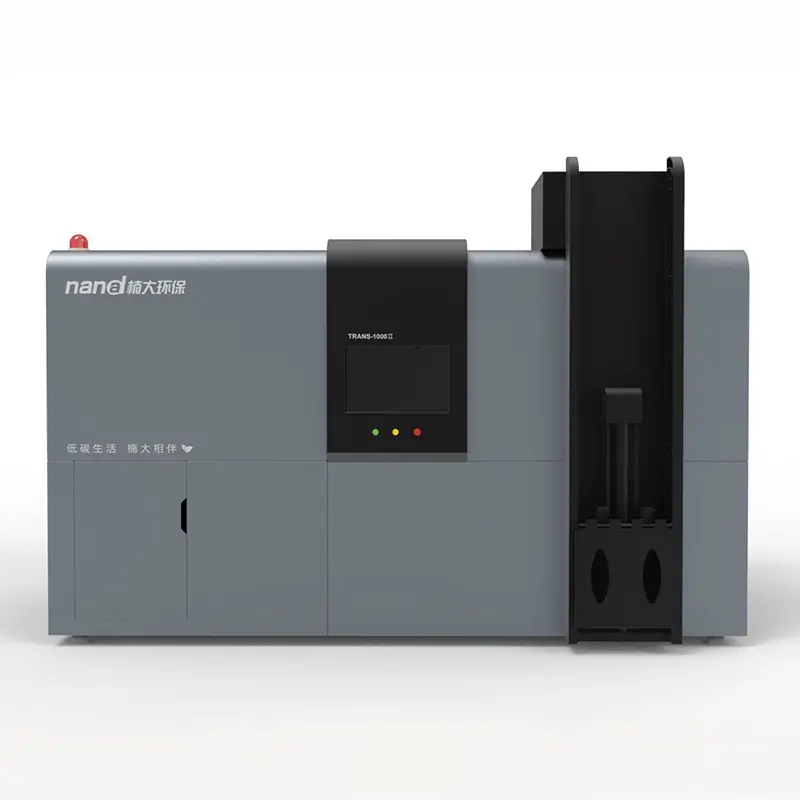 Nanda Trans Series-1000
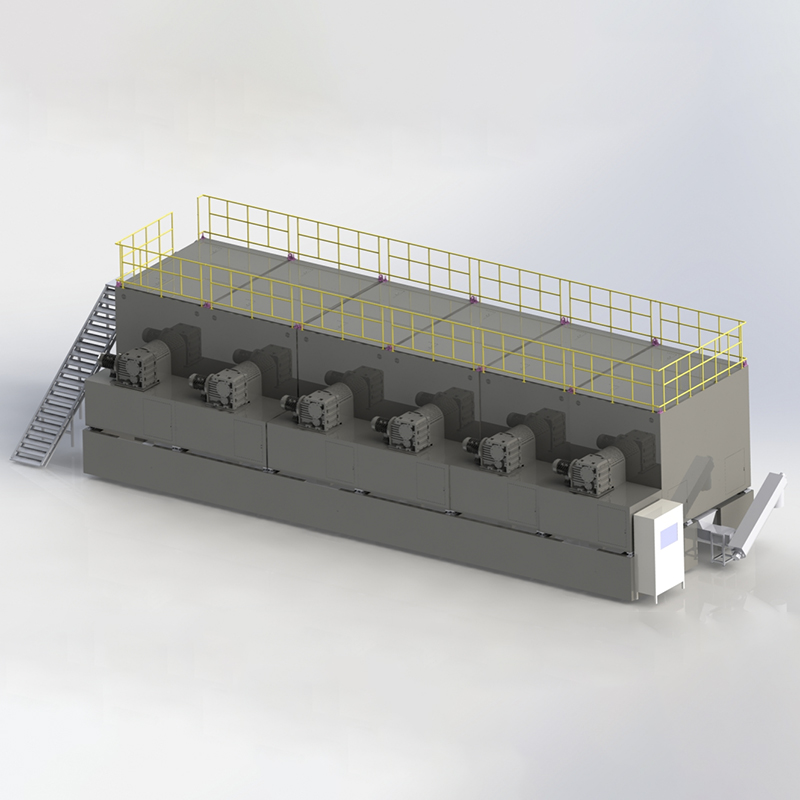 Nanda Trans Series-30000
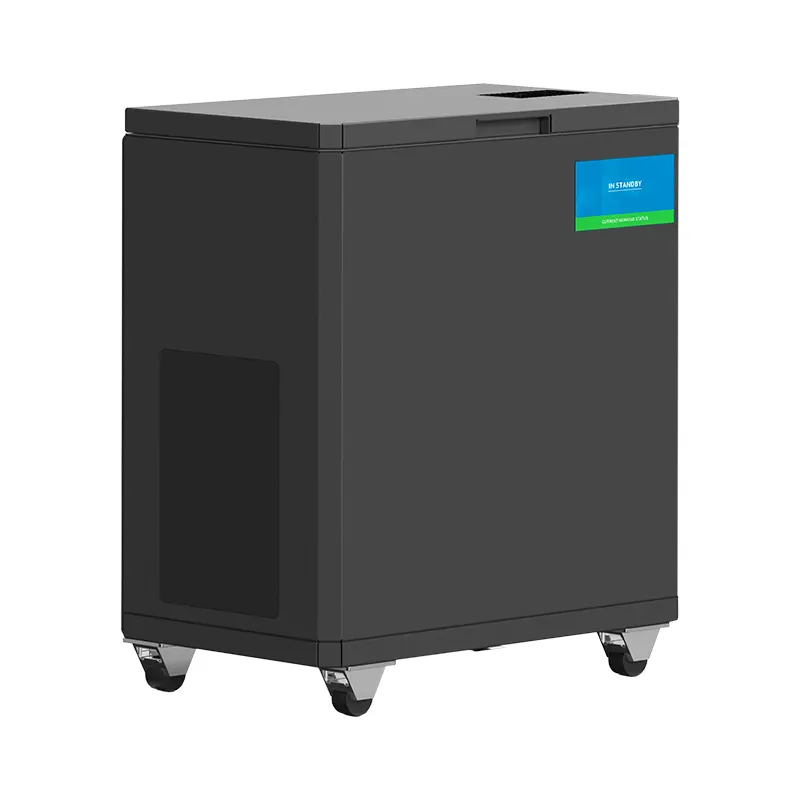 Nanda Thermax Series-100
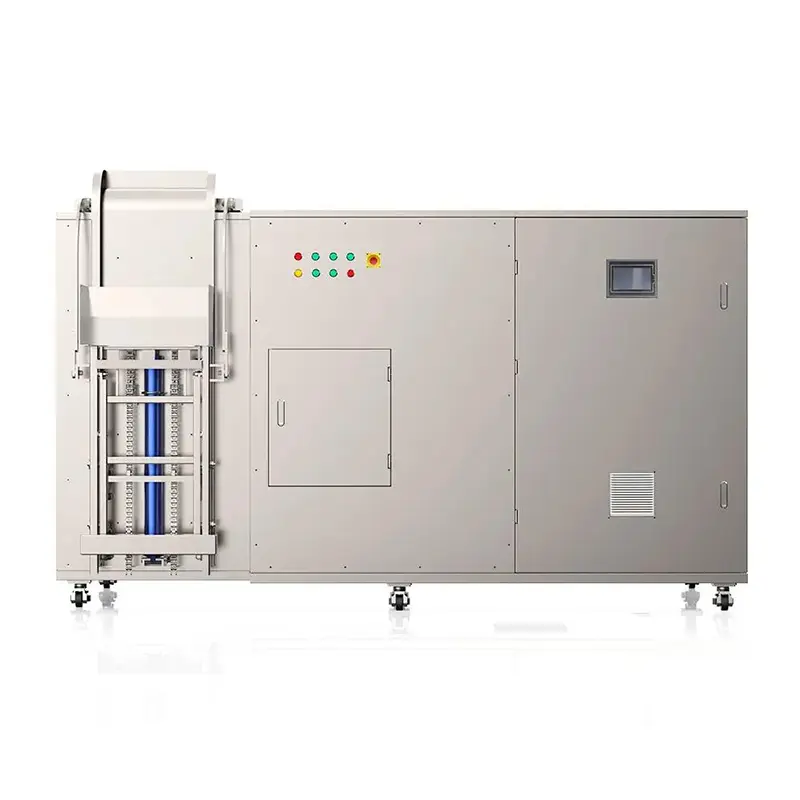 Nanda Thermax Series-200
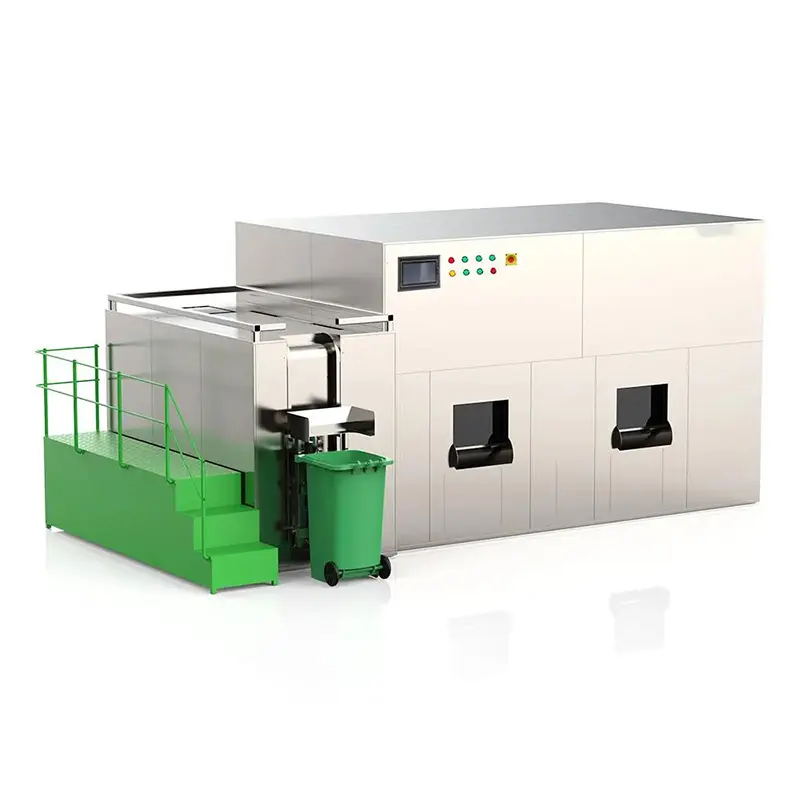 Nanda Thermax Series-2000
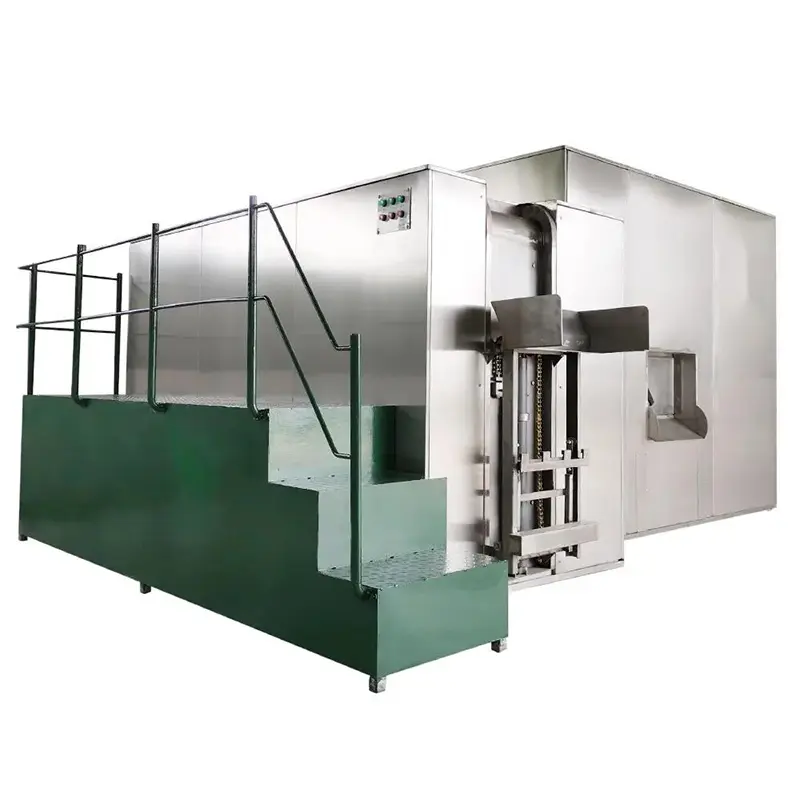 Nanda Thermax Series-10000
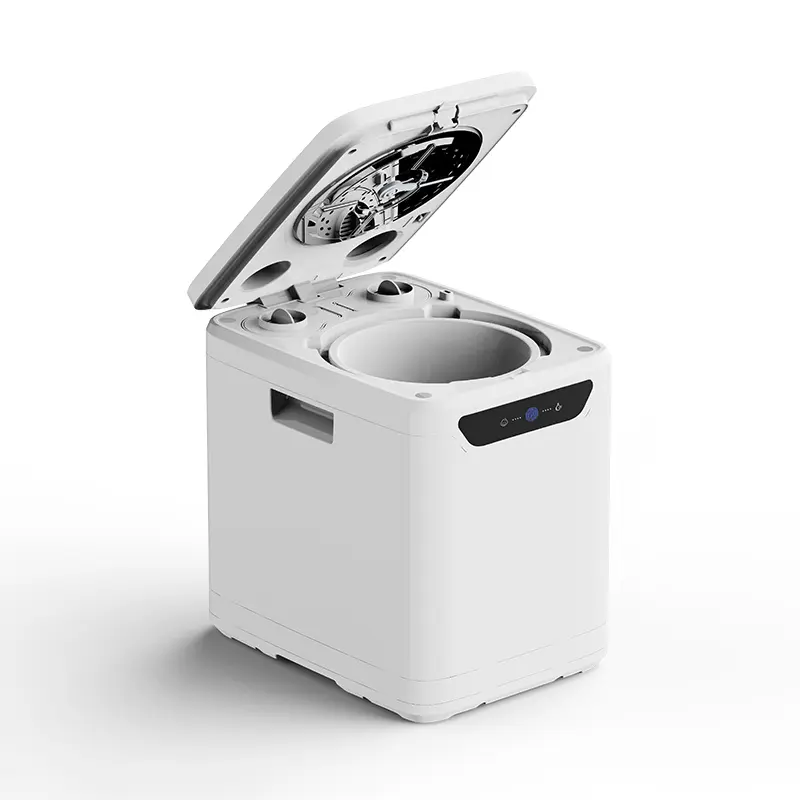 Nanda Turbo Series-3.5L-016
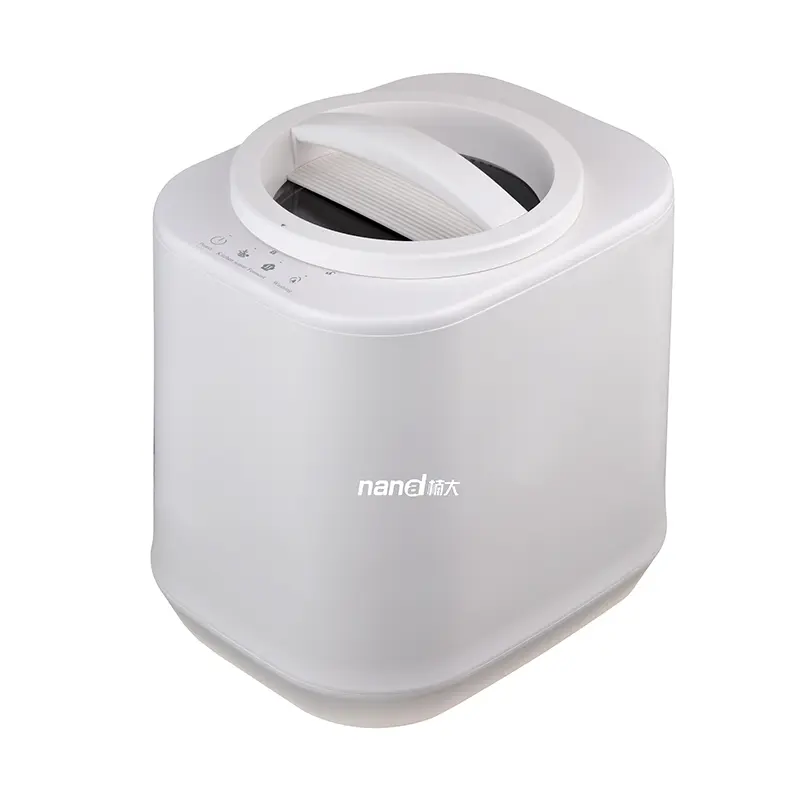 Nanda-Turbo Series-4L-011
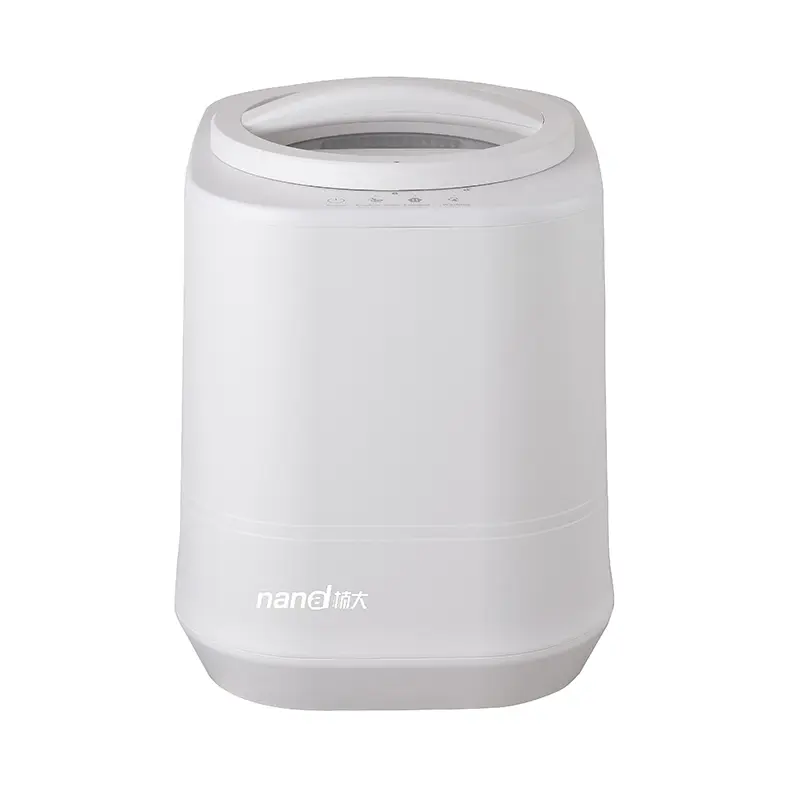 Nanda Turbo Series-4L-012
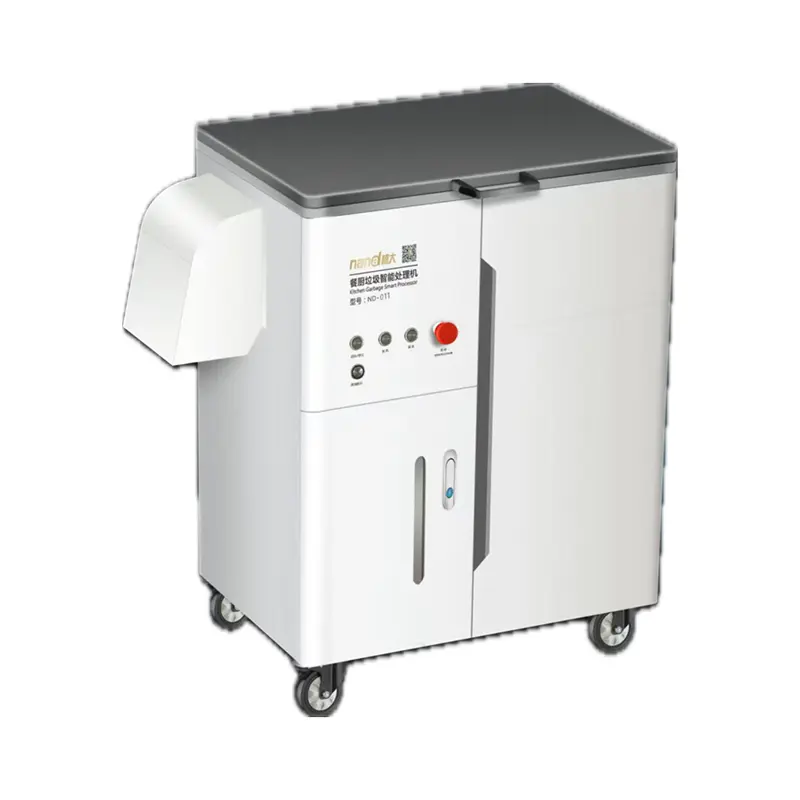 Oil-Water Separator