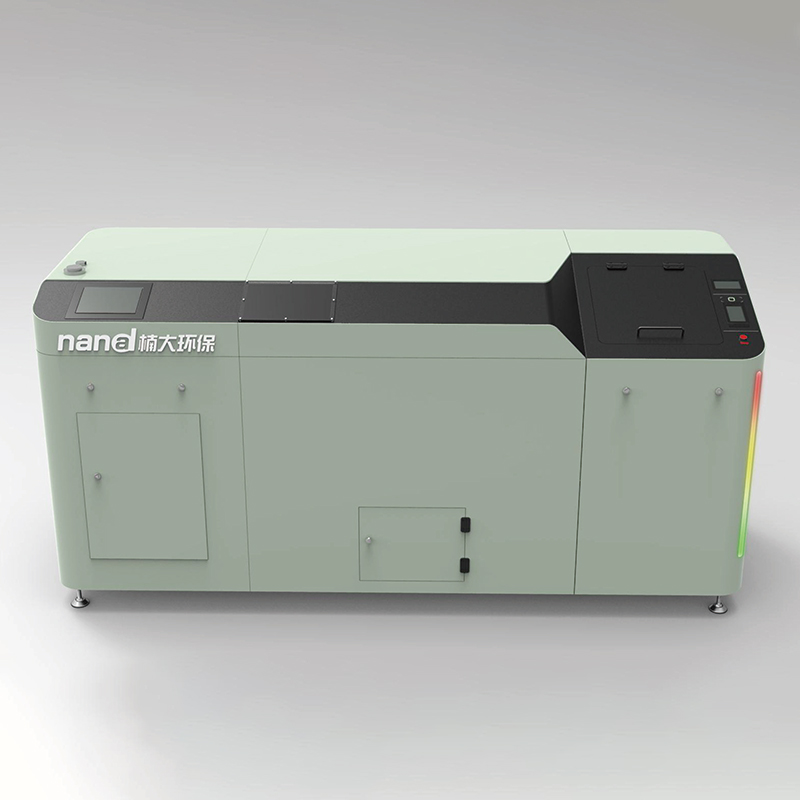
 Nanda Trans Series-200
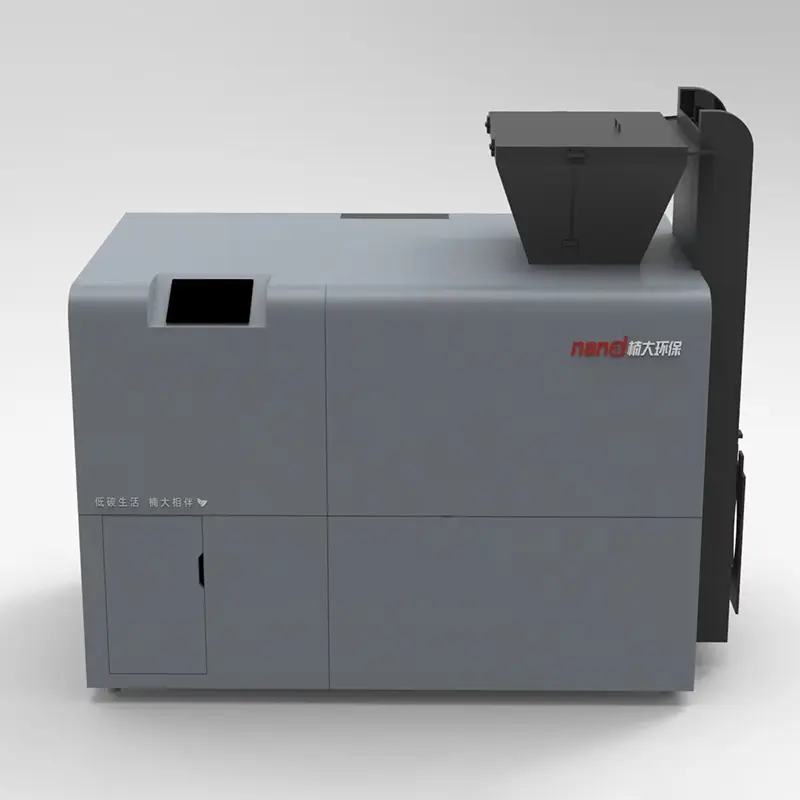 Nanda Trans Series-500
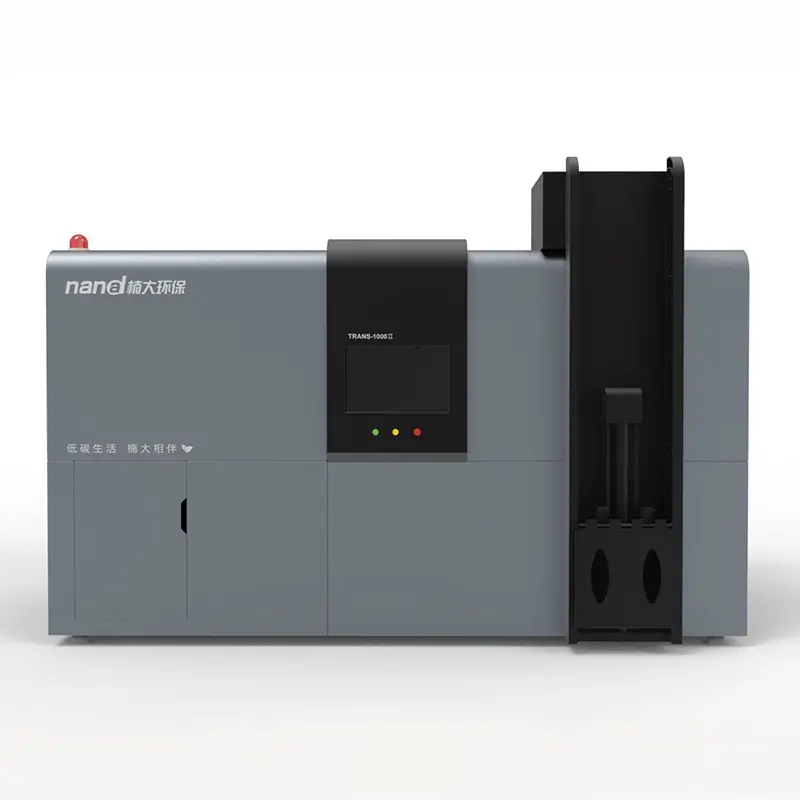 Nanda Trans Series-1000
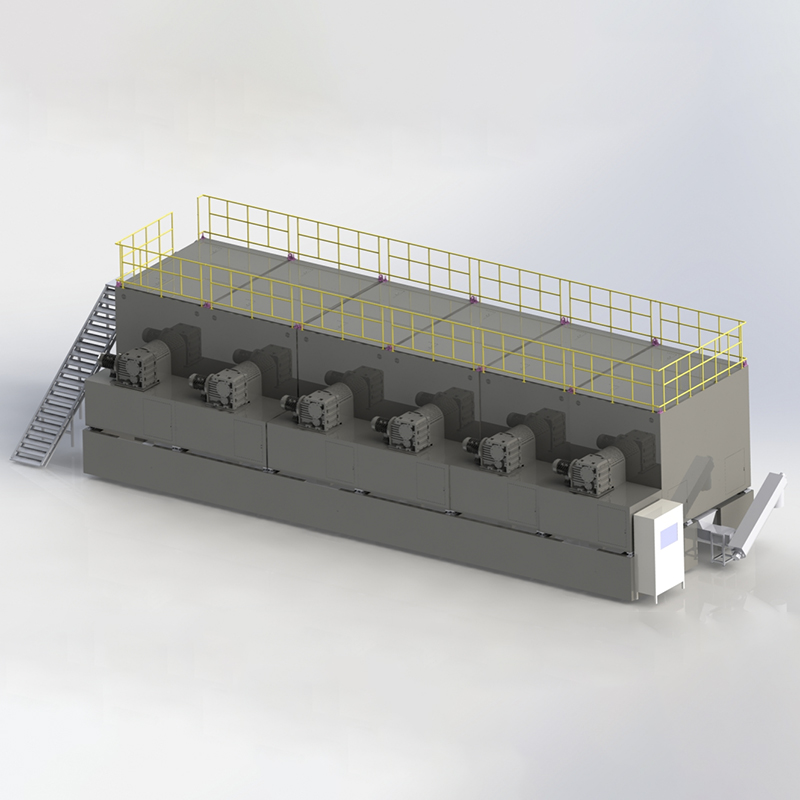 Nanda Trans Series-30000
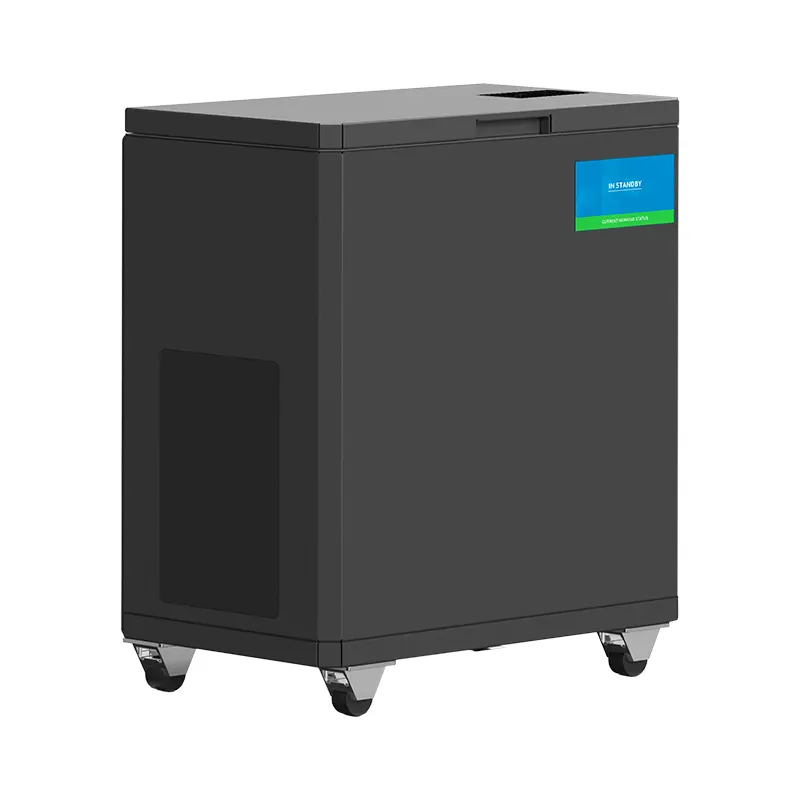 Nanda Thermax Series-100
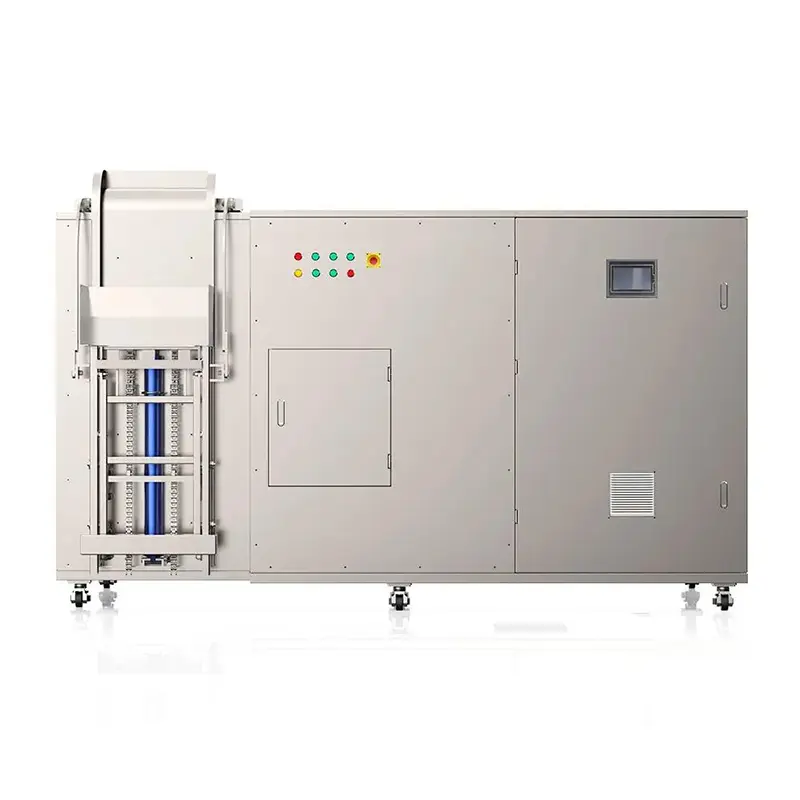 Nanda Thermax Series-200
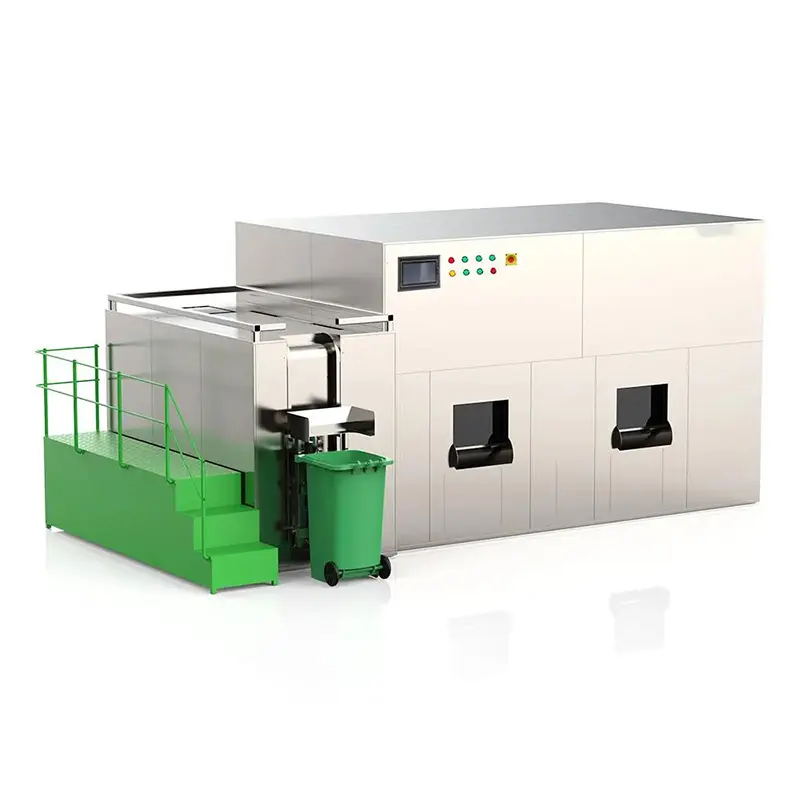 Nanda Thermax Series-2000
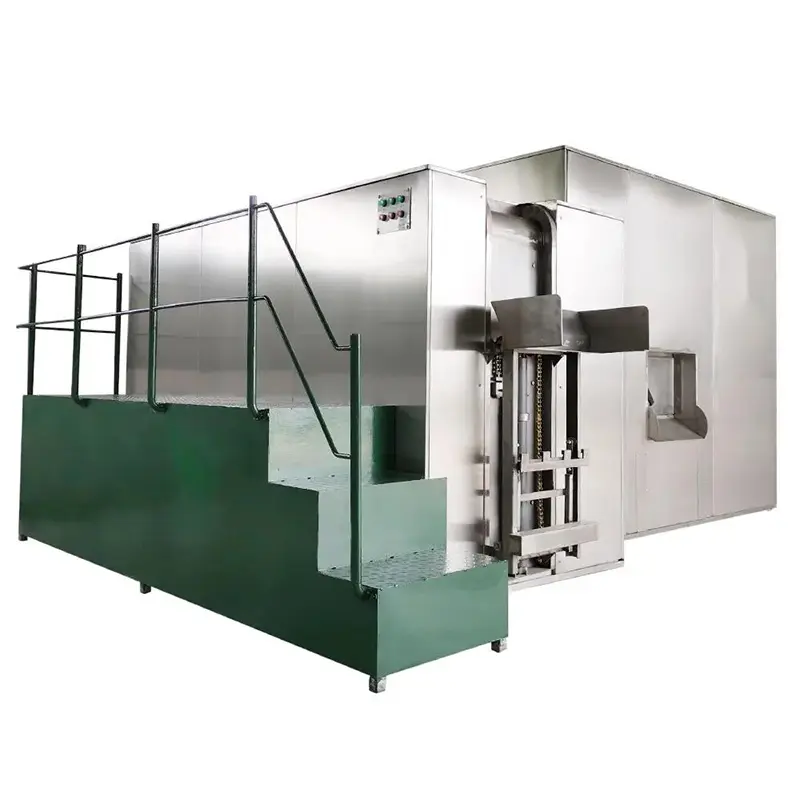 Nanda Thermax Series-10000
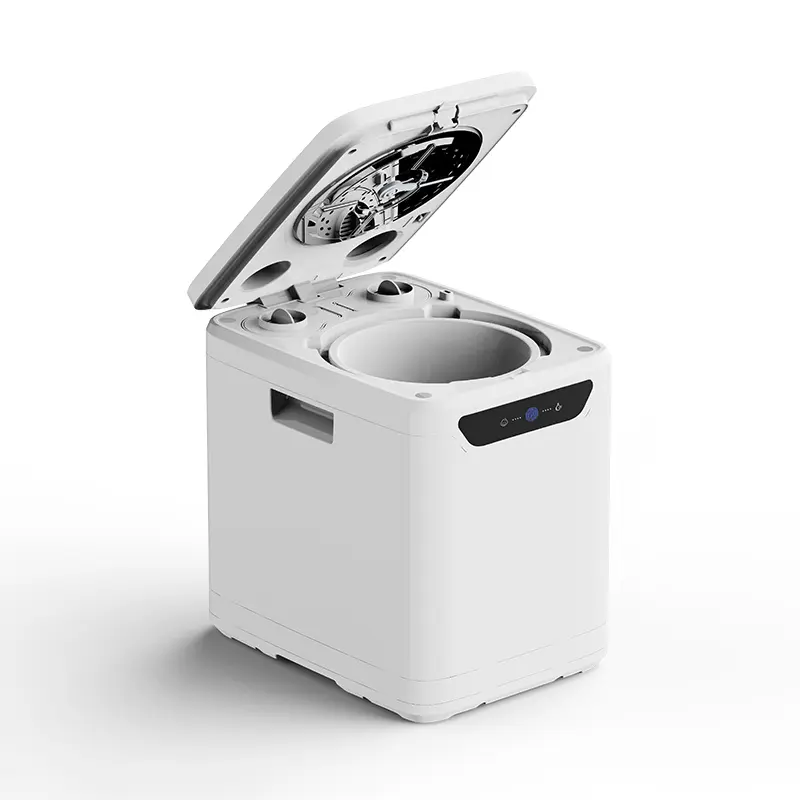 Nanda Turbo Series-3.5L-016
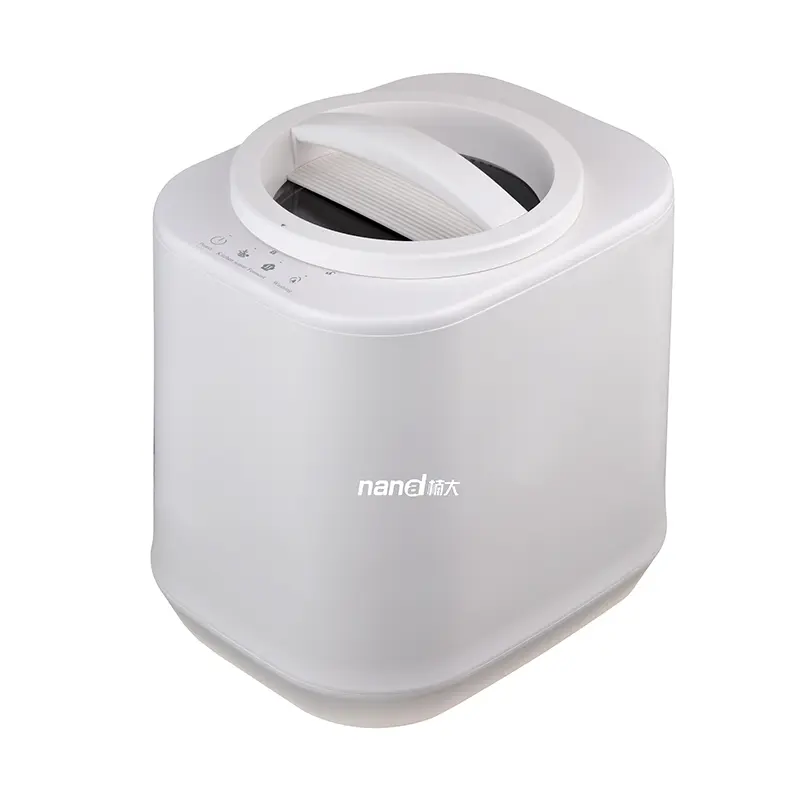 Nanda-Turbo Series-4L-011
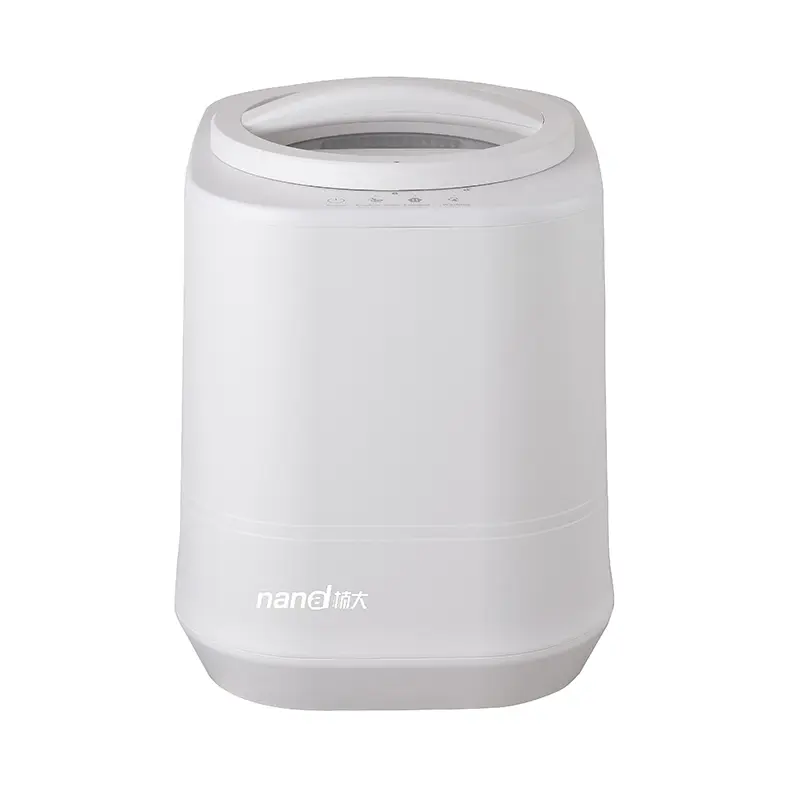 Nanda Turbo Series-4L-012
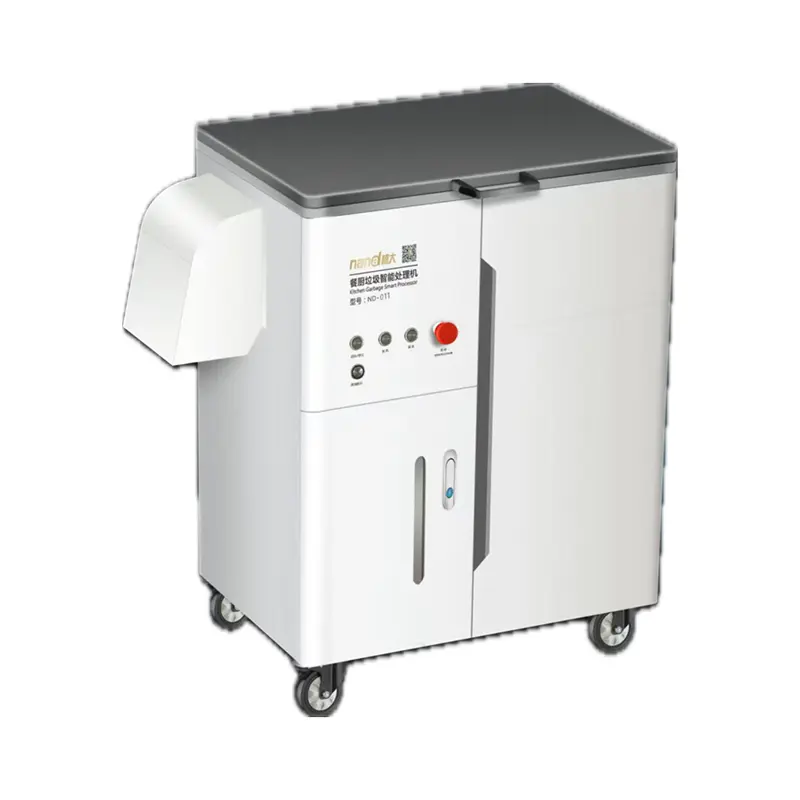 Oil-Water Separator


Top Rotating Compost Bins for Global Buyers?
Key Features to Compare Before Choosing a Compost Bin
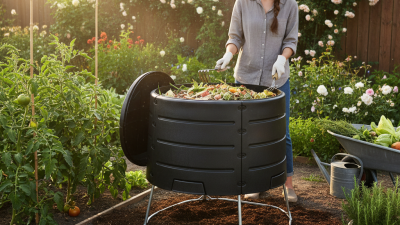
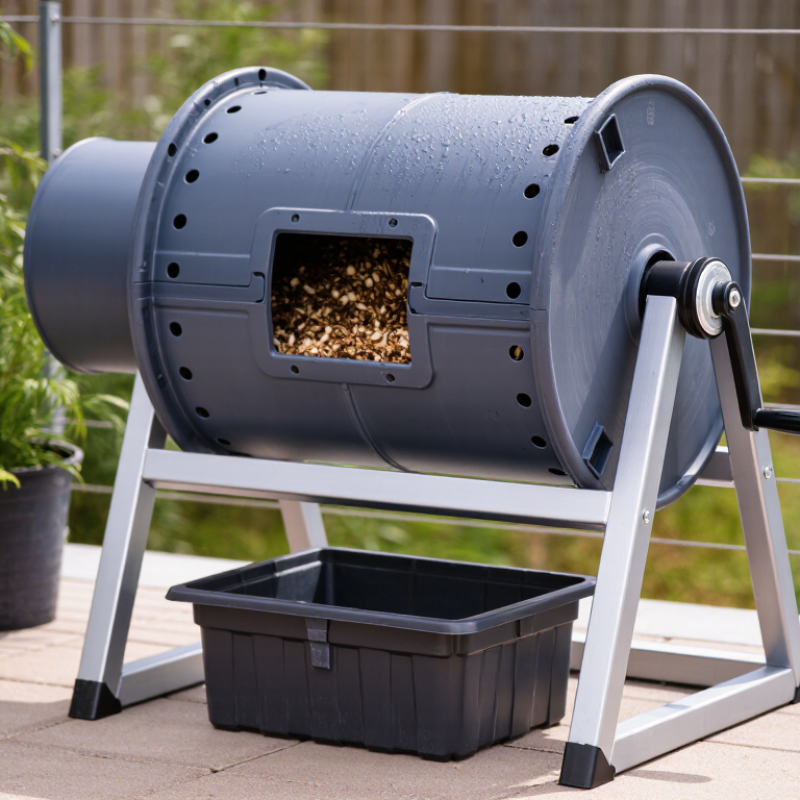
A rotating compost bin should turn smoothly, even when partly full. Look for balanced chambers, strong handles, and a frame that stays stable on uneven ground. Thin plastic may flex under sunlight, while thick, UV-resistant material usually lasts longer in hot climates. In colder regions, brittle panels can crack during freezing weather.
Capacity needs careful comparison. A small household may manage a 100-liter bin, but food scraps increase quickly in busy kitchens. Dual-chamber designs allow one side to mature while the other receives fresh material. Check the internal shape, too. Rounded corners reduce stuck waste and make mixing easier. A narrow opening can become frustrating when adding leaves or cleaning the interior.
Ventilation holes should admit air without inviting heavy rain or pests. Drainage matters after storms, especially for outdoor users in humid areas. Secure latches are useful, but they should not require excessive force. I once selected a bin with a stiff locking bar; daily turning became an unnecessary chore. That mistake changed how I judge ergonomics.
Buyers should also inspect assembly instructions, replacement-part availability, and shipping dimensions. A compact package may reduce transport costs, yet complicated assembly can waste time. Recycled materials sound appealing, but their strength and weather resistance still need evidence. Ask for load testing, material specifications, and clear care guidance before placing a large order. Local temperatures, available space, and collection habits often matter more than appearance.