2026 How to Choose the Best Food Composter Machine for Your Needs?
Choosing the right Food Composter Machine can significantly impact your waste reduction efforts. It is essential to ensure that your composter meets your specific needs and lifestyle. The market offers a variety of options, each with unique features and capabilities. Understanding these differences is crucial for making an informed decision.
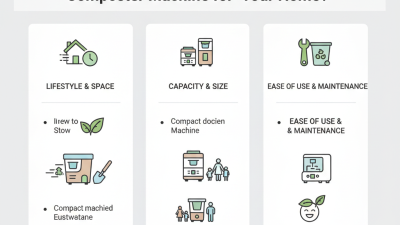
When selecting a Food Composter Machine, consider the amount of waste you generate. Think about the space available for the machine. Some models are compact and designed for smaller kitchens. Others are larger and suitable for families or community use. Your personal preferences play a vital role in this choice.
Not all composters function the same way. Some use aerobic processes, while others may rely on anaerobic methods. The processing time varies, and so does the maintenance required. Reflecting on your commitment to composting is important. Do you want a hands-on approach or a more automated system? Take time to evaluate what works best for you and your home.
Understanding the Basics of Food Composter Machines
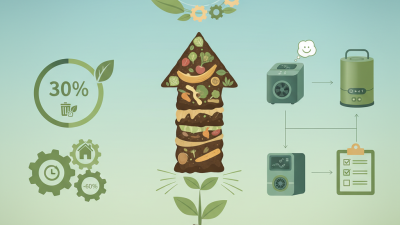
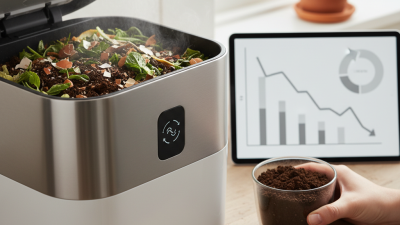
Food composter machines are gaining popularity among environmentally conscious consumers. These devices transform organic waste into nutrient-rich compost. Understanding how they work is essential before making a choice.
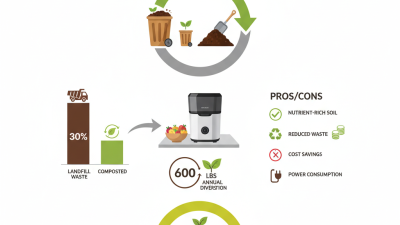
Typically, a food composter machine operates through aerobic digestion. This process requires oxygen and involves microorganisms that break down food waste. According to a report by the EPA, over 30% of what Americans throw away is organic material. That’s a significant amount that composter machines can help reduce.
When choosing a composter, consider size and capacity. Some models cater to small households, while others suit larger families. You should be mindful of your waste generation habits. It’s common for users to underestimate the amount of organic waste they produce. This reflection is crucial; opting for a machine that is too small could lead to inefficiencies in composting.
Assessing Your Composting Needs and Space Requirements
When assessing your composting needs, start with your waste generation. The average household produces about 600 pounds of compostable waste each year. Understanding how much you generate can guide your choice of composter size. If you cook often, you may require a larger model to handle food scraps effectively.
Space is another critical factor. Many people have limited outdoor areas. A study by the Environmental Protection Agency highlights that vertical composters are useful for small yards. They take up less space while still providing ample capacity. If you live in an apartment, consider a countertop composter. These are designed for indoor use and help reduce waste even in tight quarters.
Evaluate your lifestyle too. If you travel frequently, a slow composter might not suit you. These can require consistent turning and monitoring. Fast composters thrive on daily maintenance. Balancing your composting ambitions with practical daily habits is key. Reflecting on your routine helps narrow down the options and find the right fit for your composting journey.
2026 How to Choose the Best Food Composter Machine for Your Needs?
| Composter Type |
Material Capacity (lbs) |
Space Requirement (sq ft) |
Composting Time (weeks) |
Ease of Use |
| Traditional Bin |
80 |
4 |
4-6 |
Moderate |
| Tumbler Composter |
50 |
6 |
2-4 |
Easy |
| Electric Composter |
30 |
2 |
1-3 |
Very Easy |
| Worm Composter |
15 |
2 |
5-8 |
Moderate |
| In-Vessel Composter |
200 |
10 |
3-6 |
Professional |
Exploring Different Types of Food Composter Machines
When exploring different types of food composter machines, it's crucial to understand your specific needs. Aerobic composters are popular choices for those who want faster decomposition. These machines require air, which helps break down waste quickly. They often feature aeration systems that can speed up the process significantly. However, they demand a bit more upkeep, as you'll need to turn the compost regularly.
On the other hand, anaerobic composters are ideal for people looking for low-maintenance options. These units don't require air, and they can break down food waste without frequent intervention. They are more suited for those with limited time, but the decomposition process may take longer. You may find odors problematic, which can require you to adjust your practices.
Another option is vermicomposting, where worms do the work. This type is excellent for small spaces. It creates nutrient-rich compost in a shorter time. However, not everyone is comfortable with having worms around. Each type has its limitations, and decision-making can often involve trade-offs. Understanding these factors can lead to a more satisfying composting experience.
Key Features to Look for in a Food Composter Machine
When selecting a food composter machine, several key features should be considered. One important aspect is the size. Choose a model that fits your kitchen space and composting needs. A small unit may suffice for a single person. Larger households often need more capacity. Make sure to measure your available space before making a decision.
Another feature to evaluate is the composting method. Some machines utilize aerobic processes while others rely on anaerobic techniques. Aerobic composters can produce compost faster and with less odor. Anaerobic options may go slower but are generally less maintenance. Think about your schedule. A busy lifestyle might lean you toward faster solutions.
Noise level is also a consideration. Some machines can be quite loud during operation. Check user reviews to gauge the noise level before you purchase. This is especially important for apartment living. Lastly, ease of use and cleaning can’t be overlooked. A complicated system may discourage regular use. Reflect on how often you’ll actually compost. Choose one that encourages sustainable practices in your home.
Comparing Costs and Efficiency of Food Composter Machines
When selecting a food composter machine, understanding costs and efficiency is crucial. There are many models available, each with varying features. Some devices are compact, while others cater to larger households. Efficiency often relates to how quickly they break down organic waste. This can vary based on materials used, which is worth considering when choosing a composter.
Tips: Assess your household waste production. If you have a large family, a more robust model might be needed. For smaller households, a compact version could suffice.
Comparing prices is another essential factor. Basic models might be budget-friendly but could lack efficiency. Advanced machines may be pricey, yet they can offer faster composting times. It's important to weigh initial investment against long-term benefits.
Tips: Look for user reviews on efficiency. Real-life experiences provide insight into performance. Don't just focus on brand names; instead, evaluate functionality.

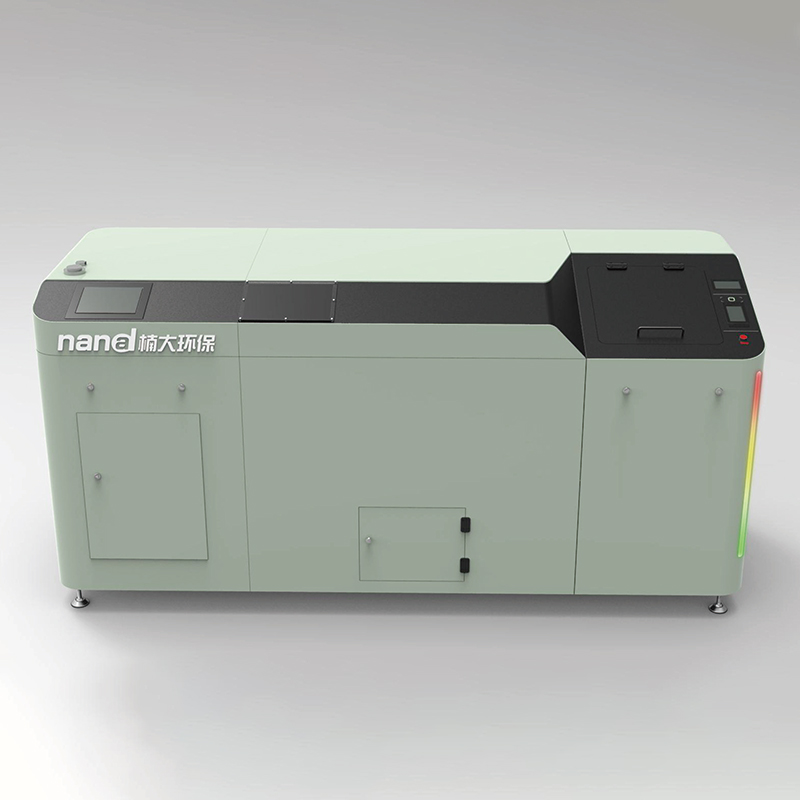 Nanda Trans Series-200
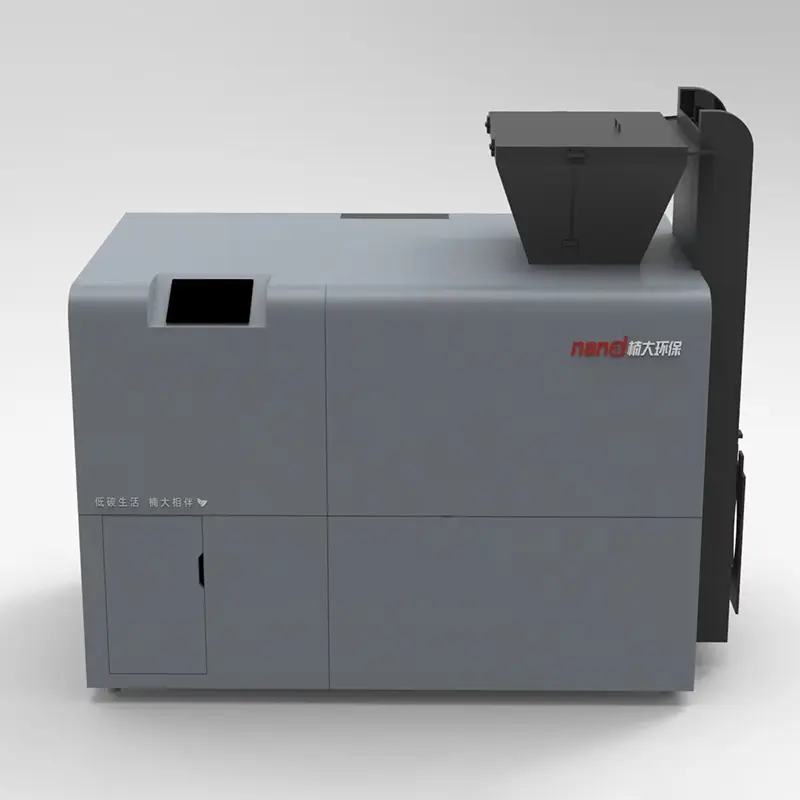 Nanda Trans Series-500
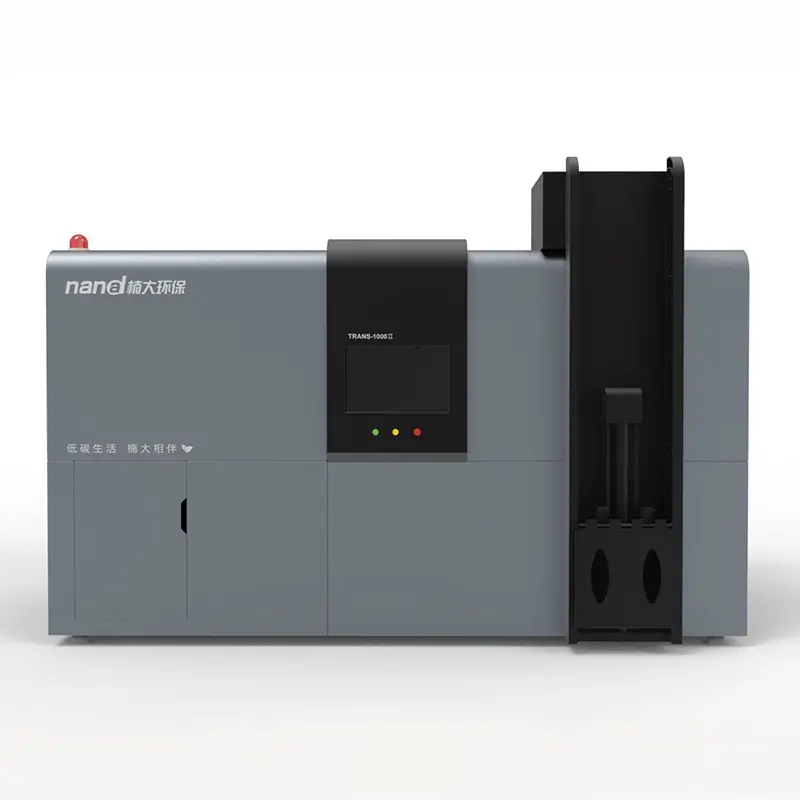 Nanda Trans Series-1000
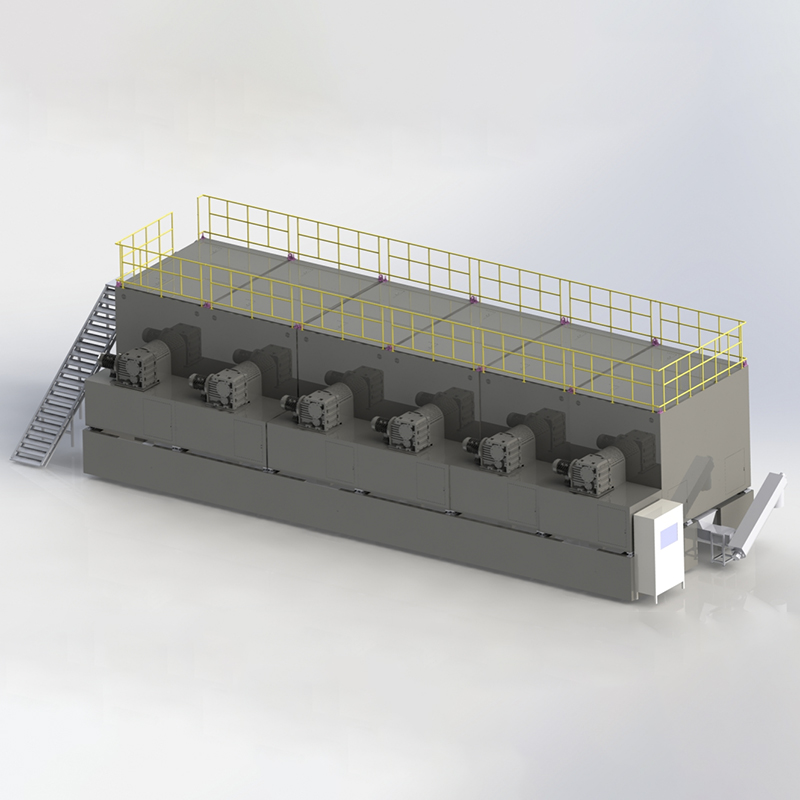 Nanda Trans Series-30000
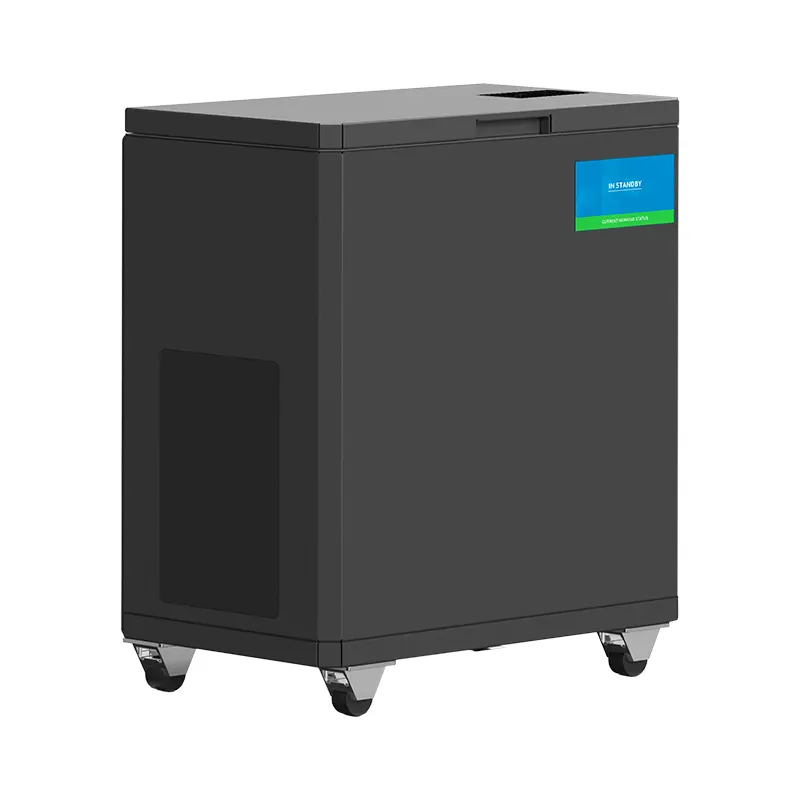 Nanda Thermax Series-100
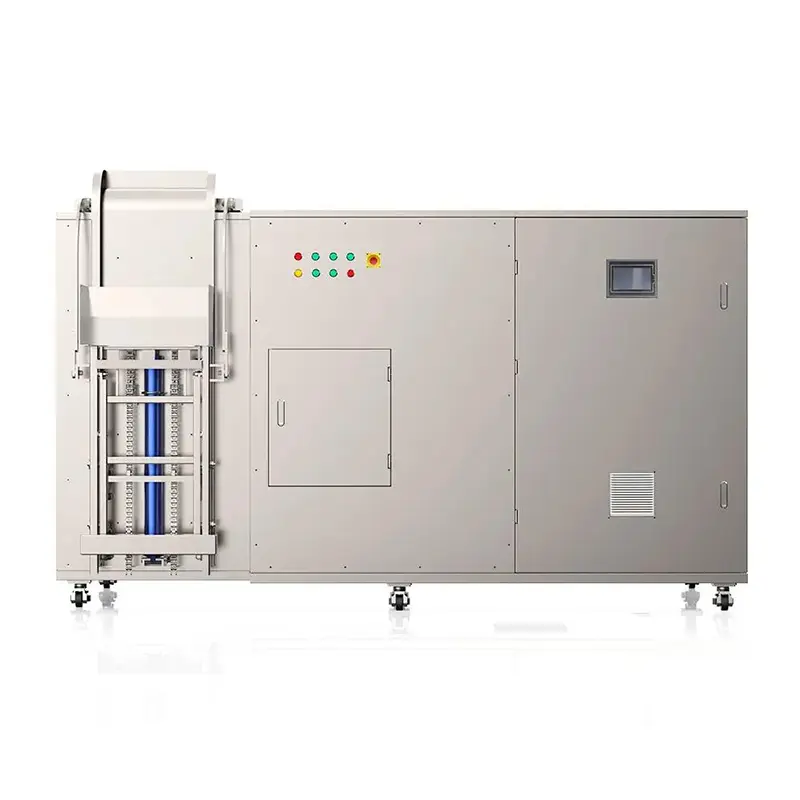 Nanda Thermax Series-200
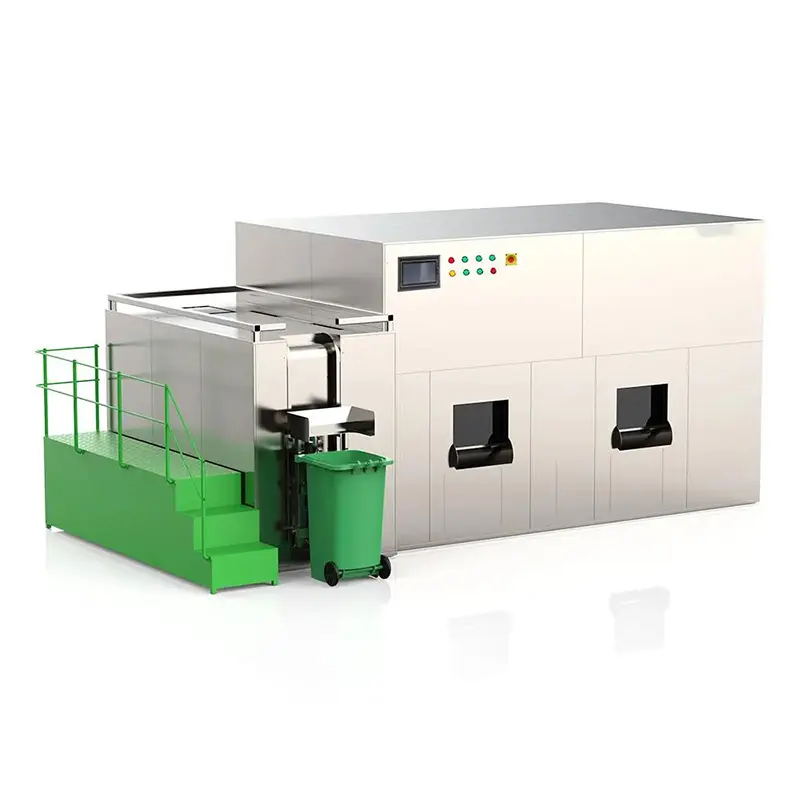 Nanda Thermax Series-2000
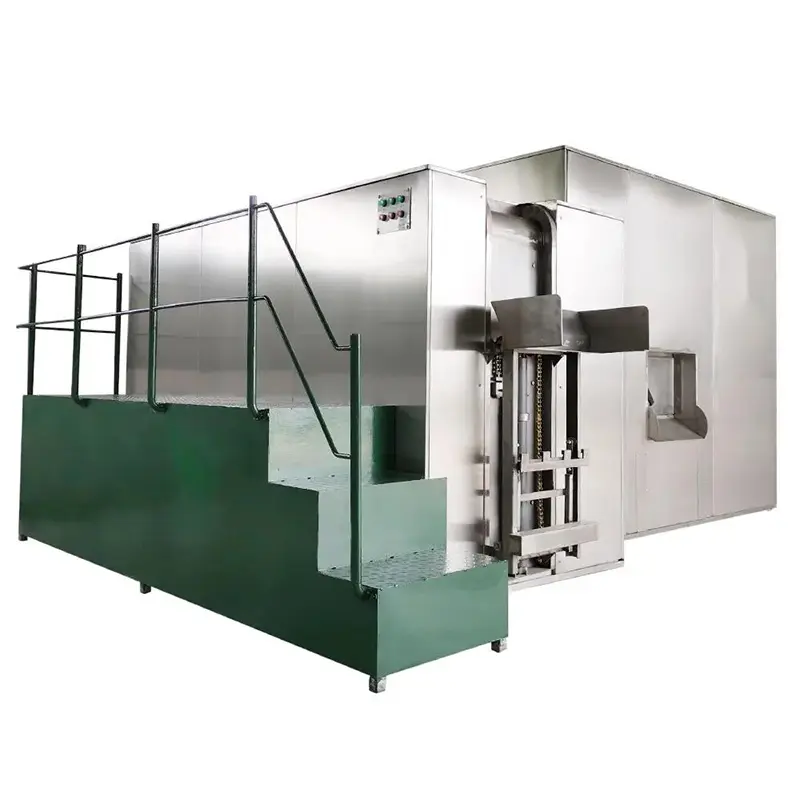 Nanda Thermax Series-10000
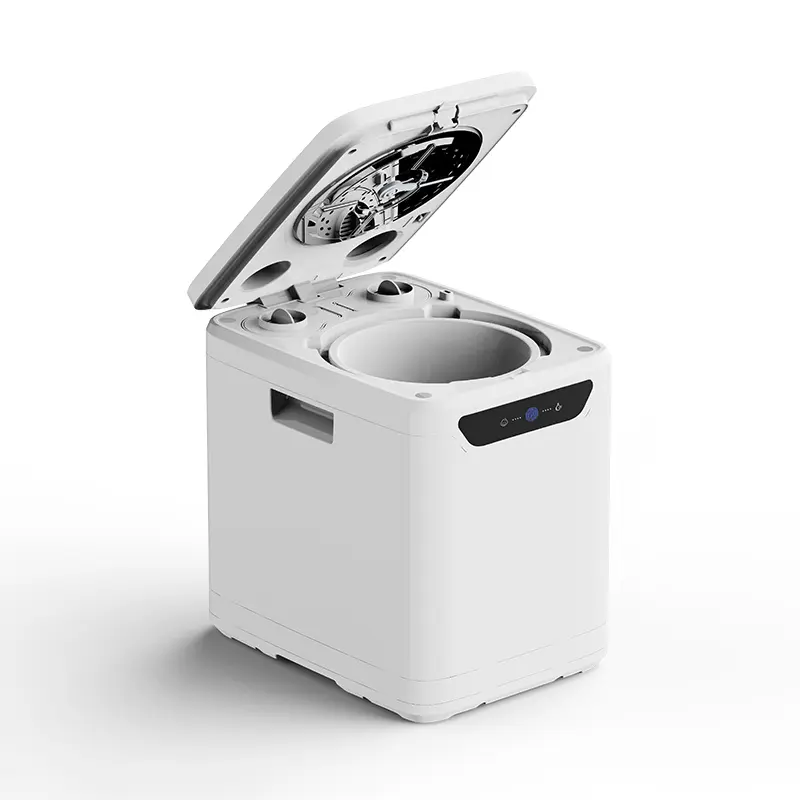 Nanda Turbo Series-3.5L-016
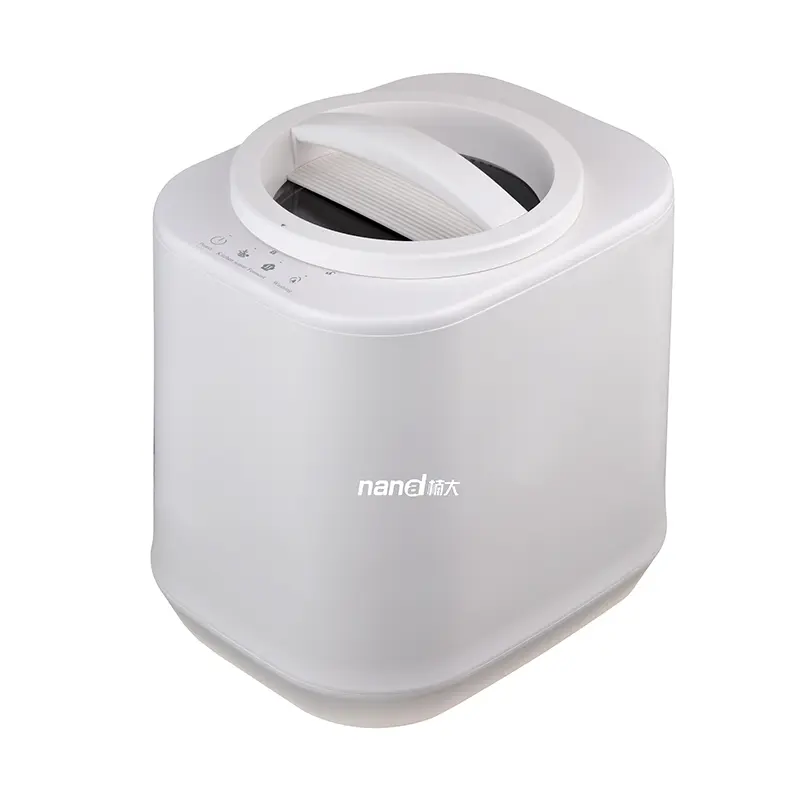 Nanda-Turbo Series-4L-011
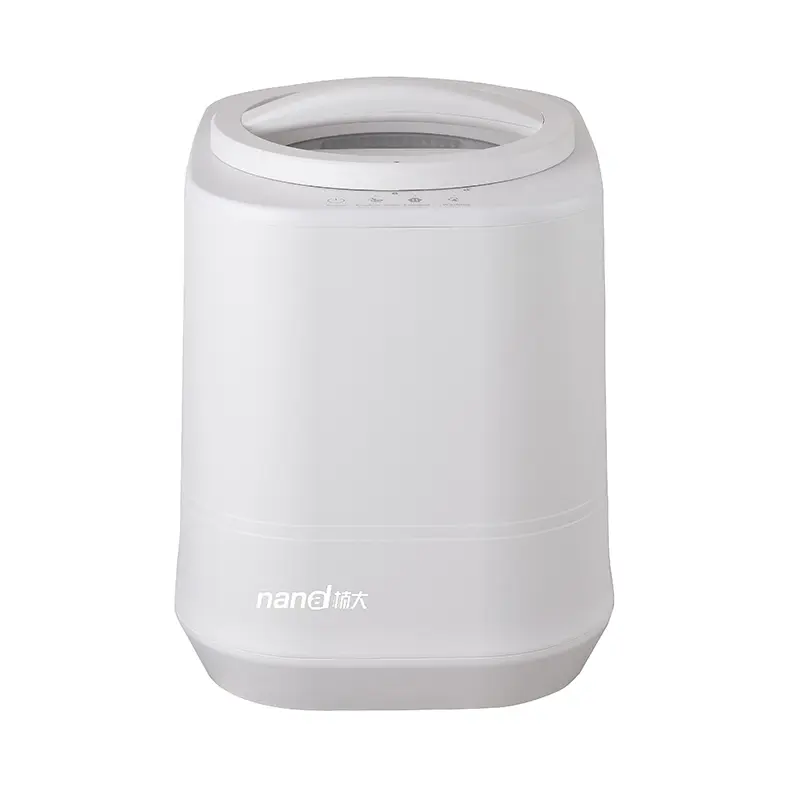 Nanda Turbo Series-4L-012
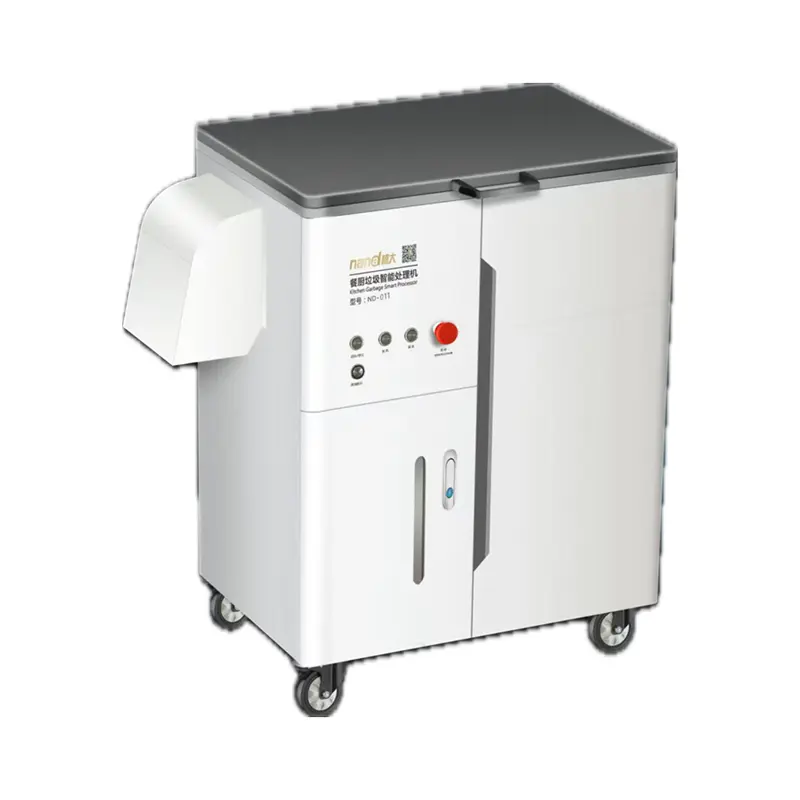 Oil-Water Separator