
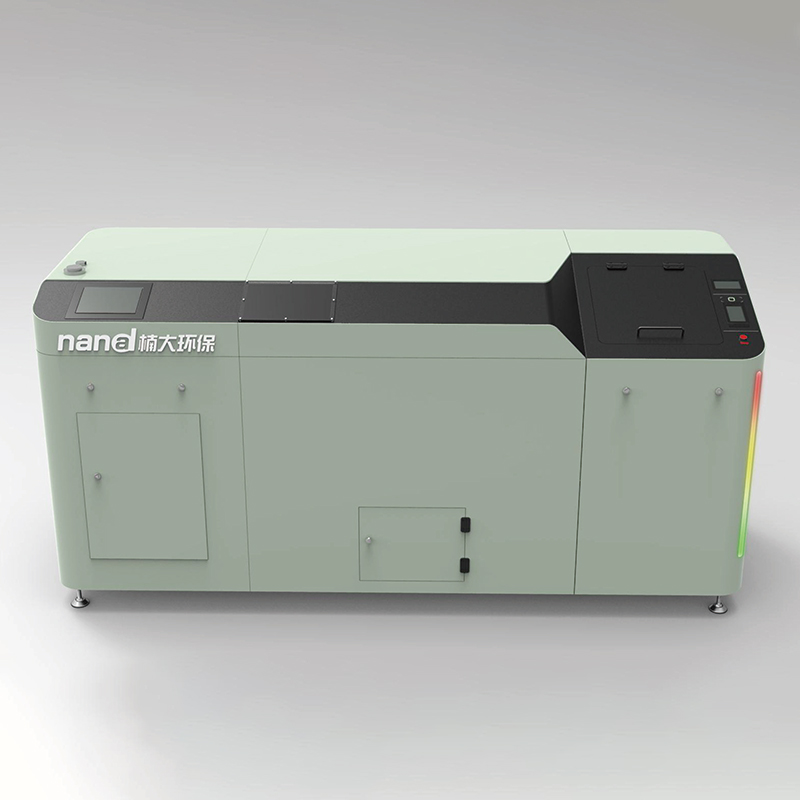
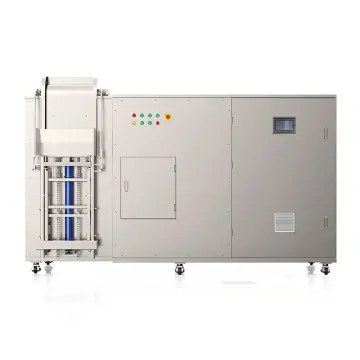
 Nanda Trans Series-200
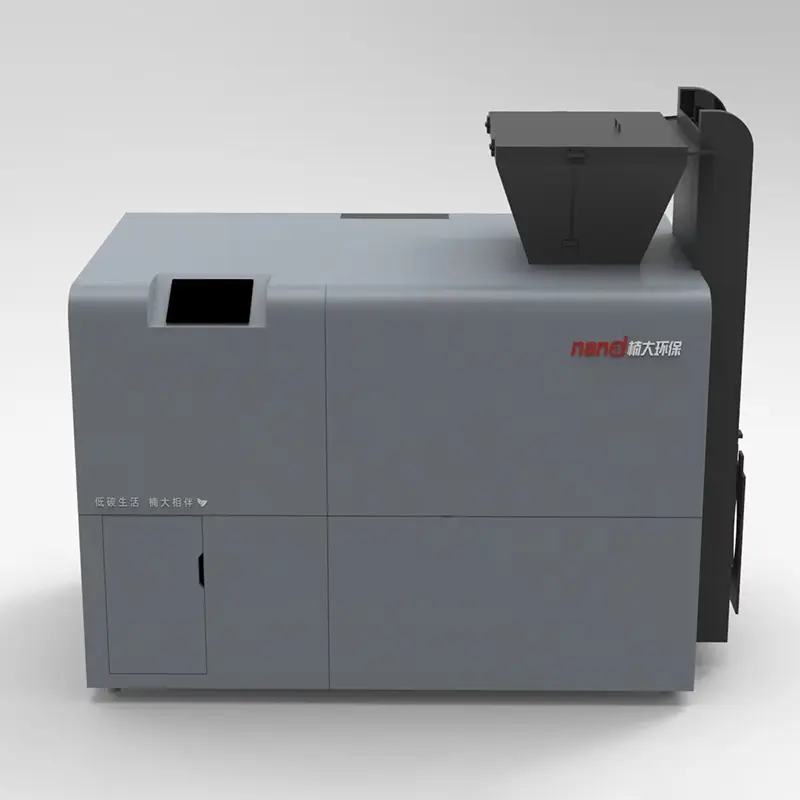 Nanda Trans Series-500
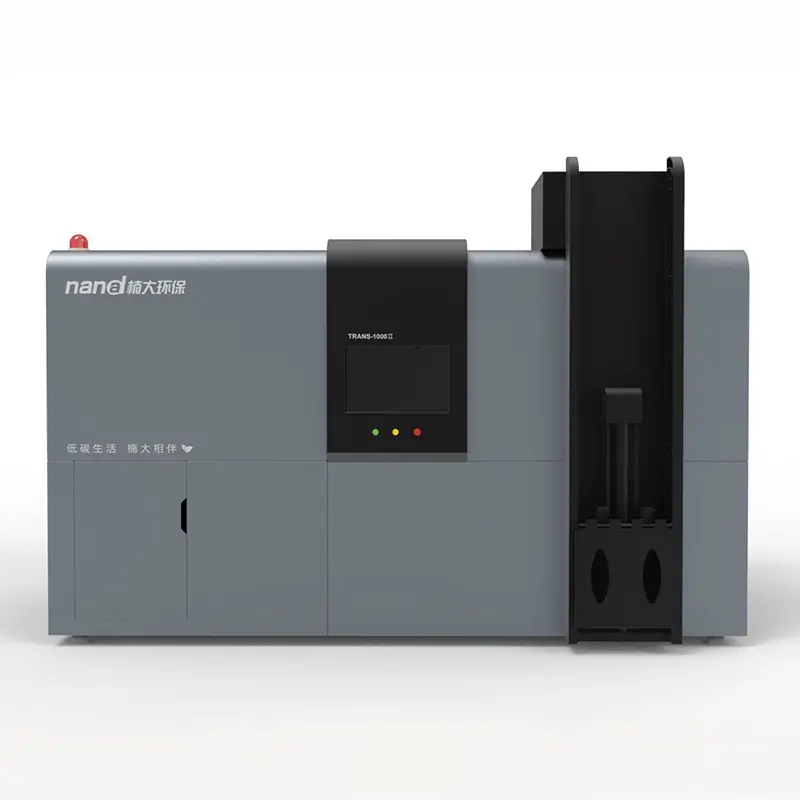 Nanda Trans Series-1000
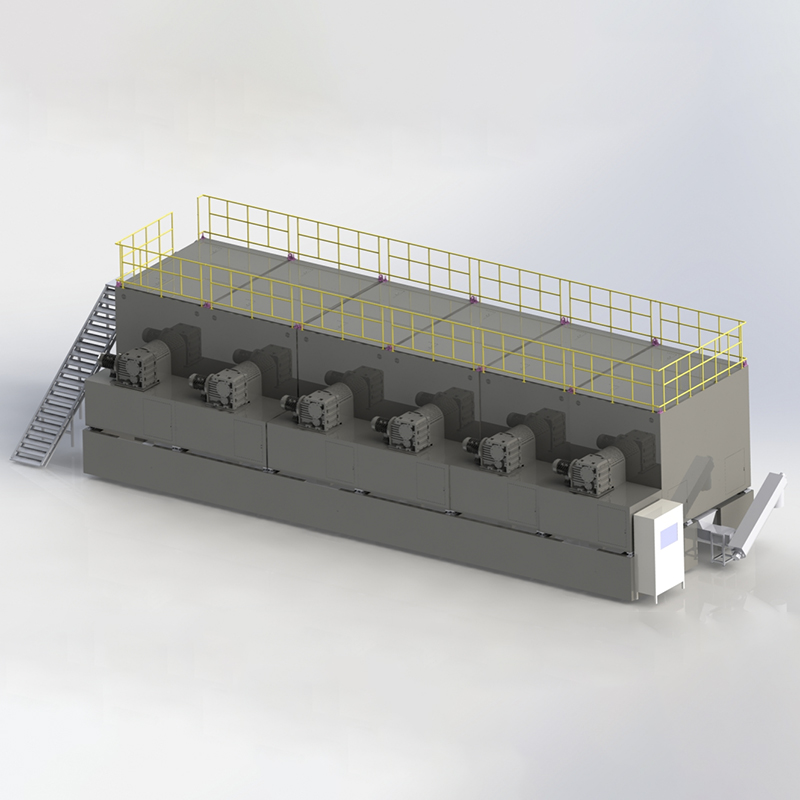 Nanda Trans Series-30000
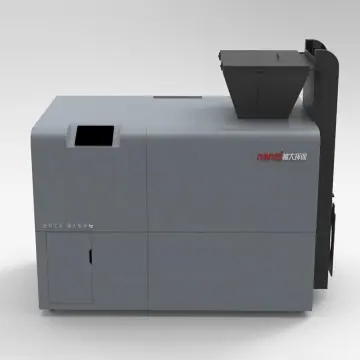
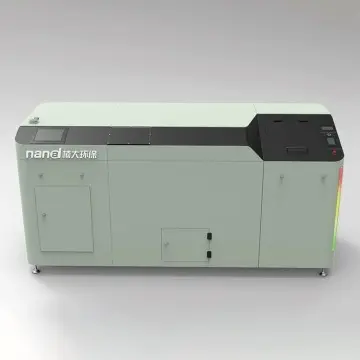
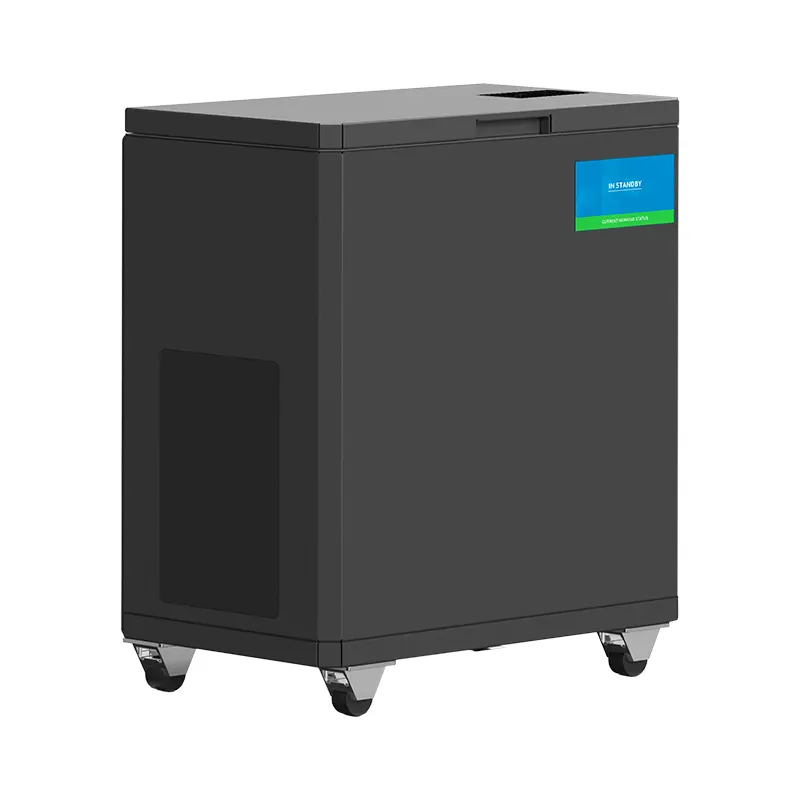 Nanda Thermax Series-100
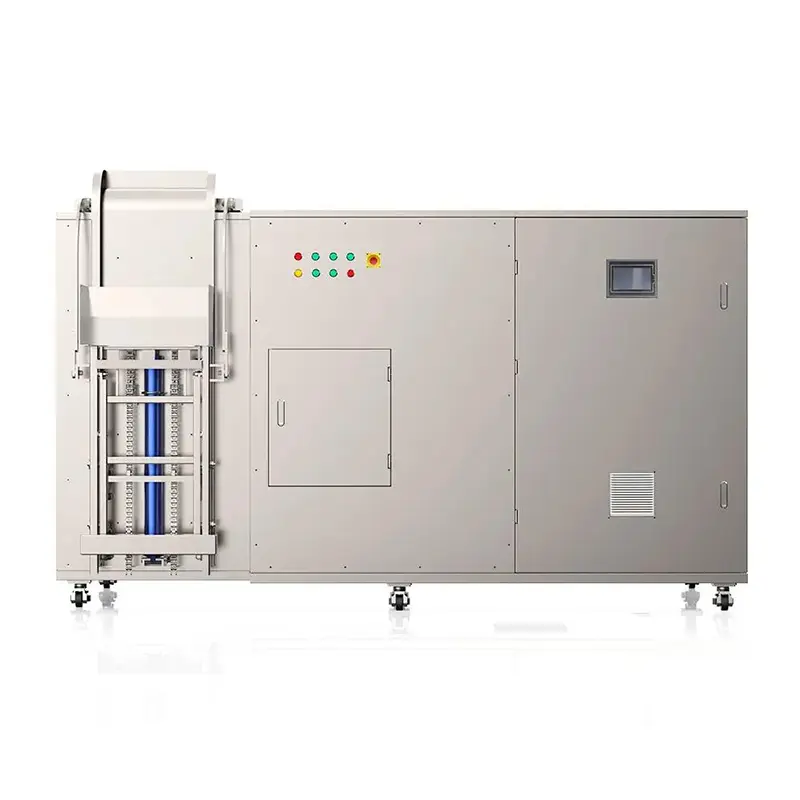 Nanda Thermax Series-200
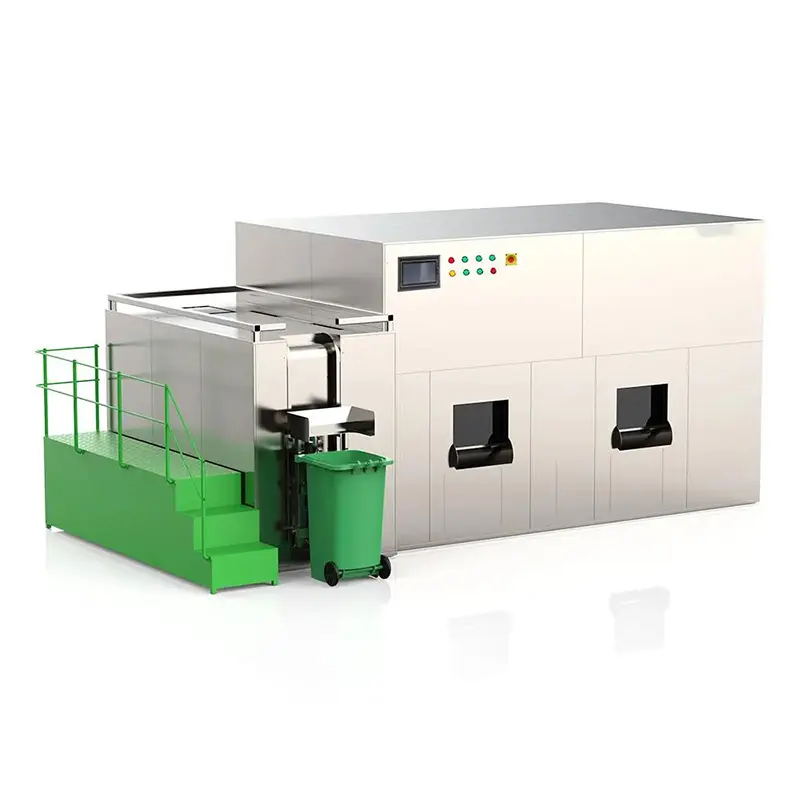 Nanda Thermax Series-2000
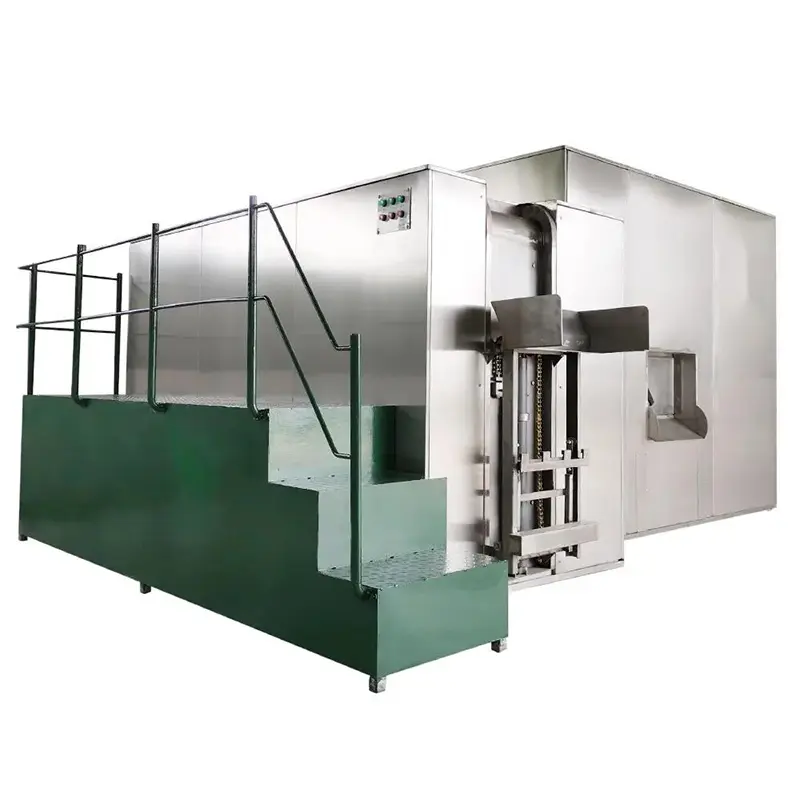 Nanda Thermax Series-10000
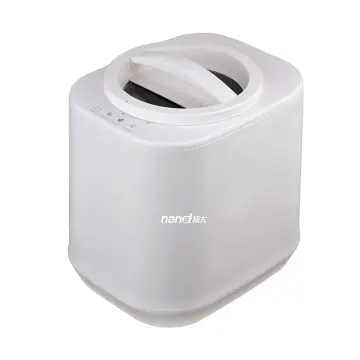
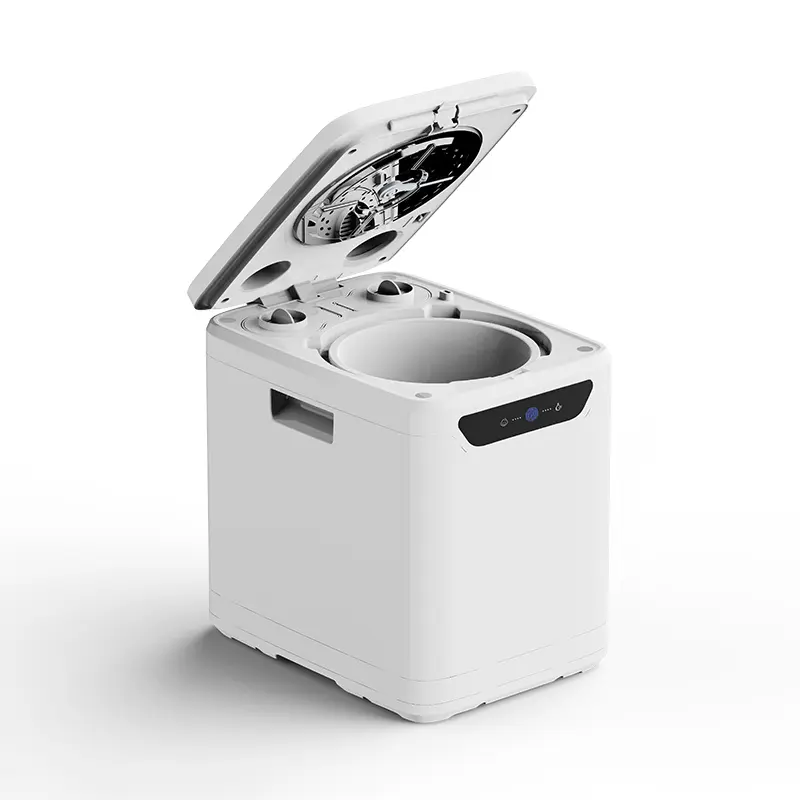 Nanda Turbo Series-3.5L-016
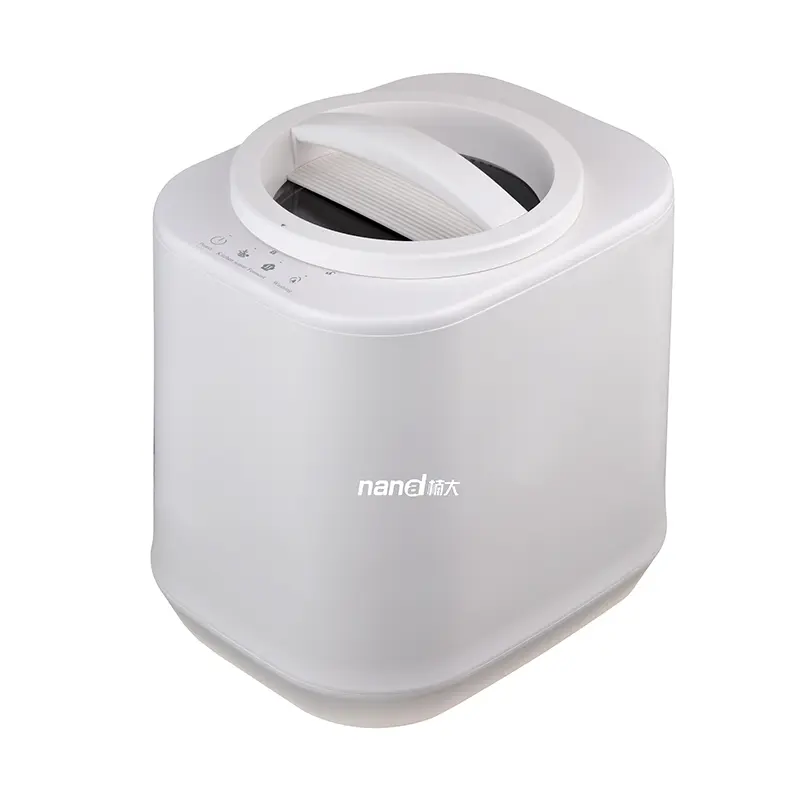 Nanda-Turbo Series-4L-011
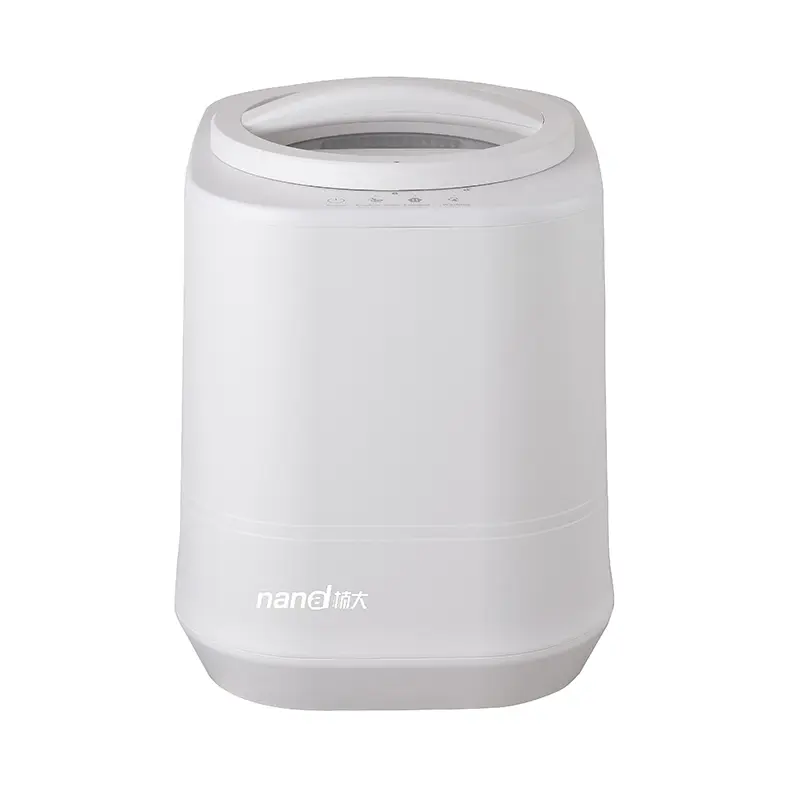 Nanda Turbo Series-4L-012
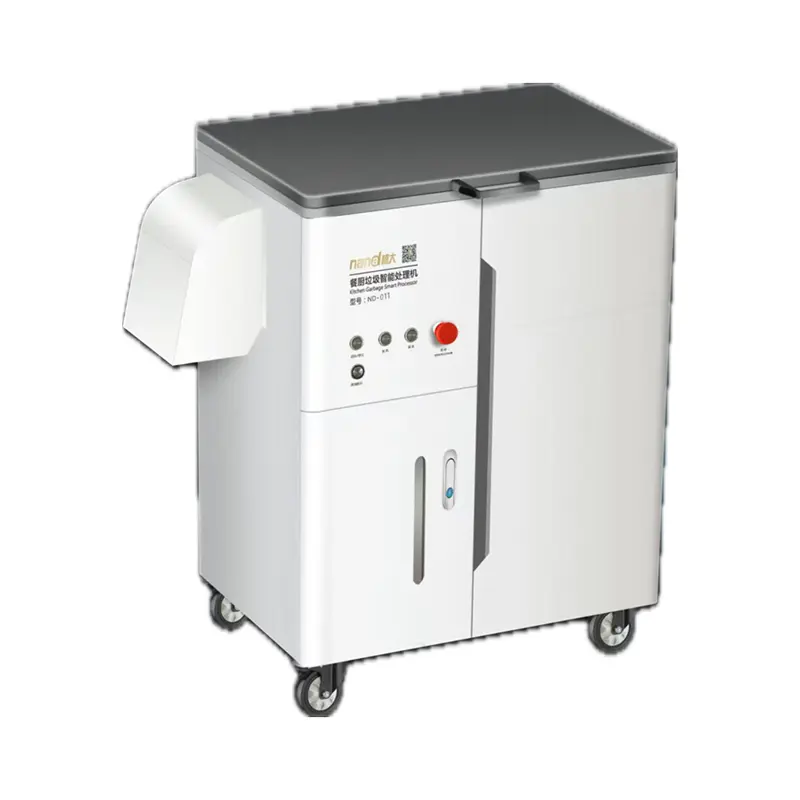 Oil-Water Separator



Efficient Organic Waste Composting Solutions for OEM Factories and Manufacturers
As a leader in organic waste composting, we recognize the importance of sustainable practices in modern industries. Our advanced solutions are tailored for ODM partnerships, enabling factories to effectively manage waste while generating high-quality compost. With an emphasis on innovation and efficiency, we provide customized systems that address the distinct needs of your business. Our composting techniques not only minimize landfill waste but also improve soil quality, benefiting both your operations and the environment. At Hangzhou Nanda Environmental Protection Technology Co., Ltd., we are dedicated to delivering superior technology and outstanding support, ensuring a smooth transition to organic waste management. By partnering with us, you gain access to exemplary manufacturing processes and a specialized team committed to assisting you at every stage. Together, we can achieve your sustainability objectives and transform organic waste into valuable resources.
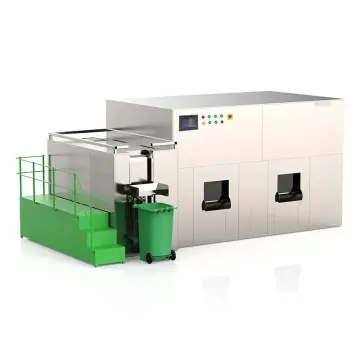
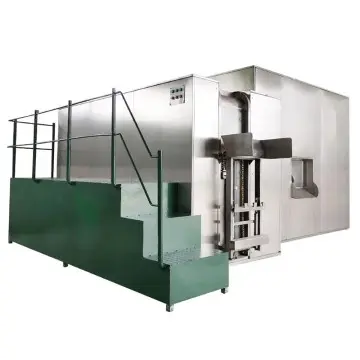

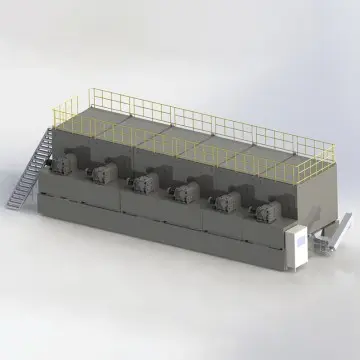
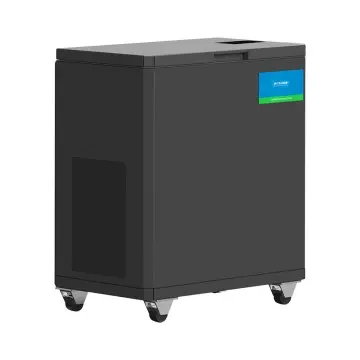
In-Depth Analysis of Methods Organic Waste Composting Process Supplies the World’s Top Brands Application
The global demand for sustainable Waste Solutions has never been more pressing, particularly in light of mounting environmental concerns and the push for circular economies. The composting process for organic waste has emerged as a preferred method for managing and repurposing waste. An in-depth analysis of various composting methods reveals a range of innovative applications being employed by top brands worldwide. These methods not only enhance the efficiency of organic waste processing but also promote soil health and contribute to carbon footprint reduction. Technological advancements in composting have made it feasible for brands to integrate sustainable practices into their operations. Aerobic composting, in-vessel systems, and trench composting are among the popular methods that ensure effective aeration and temperature control, leading to faster decomposition. Furthermore, the introduction of automated systems allows for consistent monitoring and management of composting variables, ensuring high-quality end products. As companies adapt their strategies to align with sustainable values, the application of advanced composting methods not only fulfills regulatory and consumer expectations but also drives operational efficiencies and enhances brand reputation. Investing in composting technology presents a viable pathway for businesses to address organic waste challenges while positioning themselves as leaders in environmental stewardship. As brands refine their waste management strategies, the collaboration between suppliers of composting supplies and organizations dedicated to green practices will define the future of sustainable waste solutions. By prioritizing innovation in composting processes, companies can not only reduce waste but also cultivate a healthier planet for future generations.
In-Depth Analysis of Methods Organic Waste Composting Process Supplies the World’s Top Brands Application
| Composting Method | Effective Temperature Range (°C) | Duration (Weeks) | Organic Material Types | Nutrient Output |
|---|---|---|---|---|
| Aerobic Composting | 55 - 65 | 6 - 12 | Fruit and Vegetable Scraps, Yard Waste | Rich in Nitrogen, Phosphorus, Potassium |
| Anaerobic Digestion | 30 - 50 | 3 - 6 | Food Waste, Manure | Biogas, Digestate (Organic Fertilizer) |
| Vermicomposting | 15 - 30 | 8 - 12 | Kitchen Scraps, Paper, Cardboard | High in Micronutrients, Humus |
| Trench Composting | 20 - 40 | 5 - 8 | Biosolids, Green Waste | High Nutrient Retention for Soil |
| Static Pile Composting | 40 - 60 | 4 - 8 | Mixed Organic Waste, Crop Residue | Stable Organic Material for Gardens |
Discovering Organic Waste Composting Process Supplies the World’s Top Brands Where Innovation Meets 2025
S
Sarah Johnson
This product is fantastic. The after-sales service was proactive and very professional.
25 May 2025
T
Thomas Richard
Top quality product! Their follow-up service was professional and reassuring.
18 May 2025
O
Olivia Sullivan
Excellent craftsmanship! The expertise of the support team stood out.
04 July 2025
S
Sophia Hunter
Great quality and support! The team was knowledgeable and quick to help.
06 July 2025
G
Gabriel Kim
Impressive quality! The customer service staff were exceptionally knowledgeable.
03 June 2025
M
Mark Wilson
Excellent quality product! Their customer service was proactive and friendly.
30 May 2025