
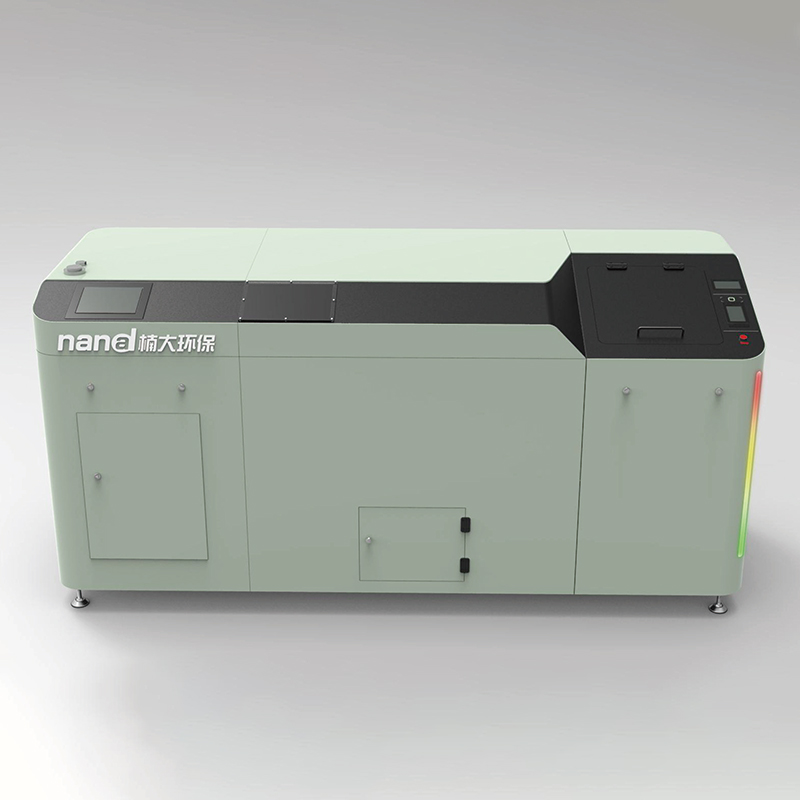
 Nanda Trans Series-200
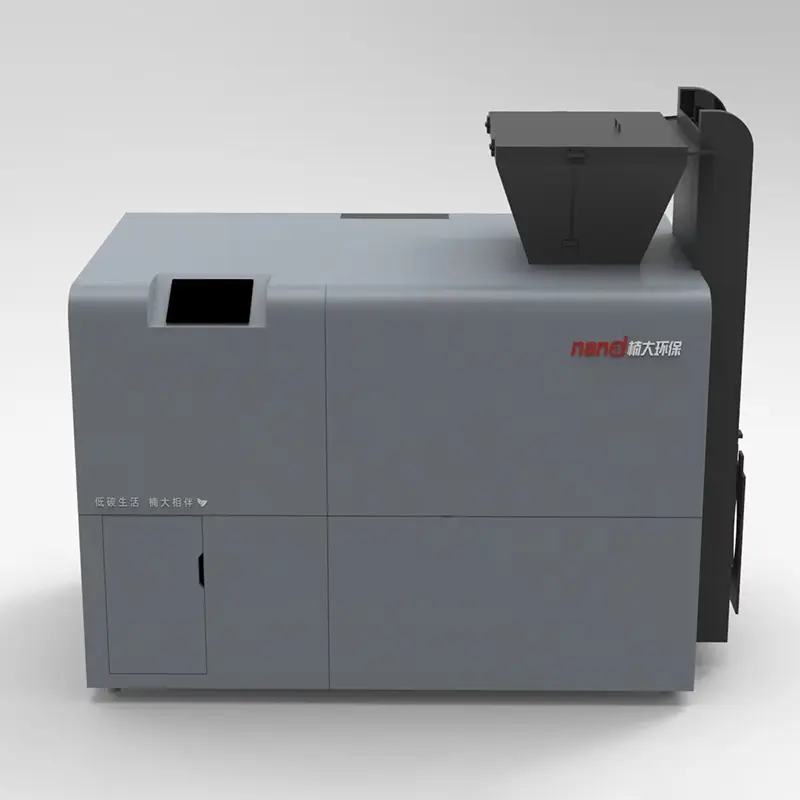 Nanda Trans Series-500
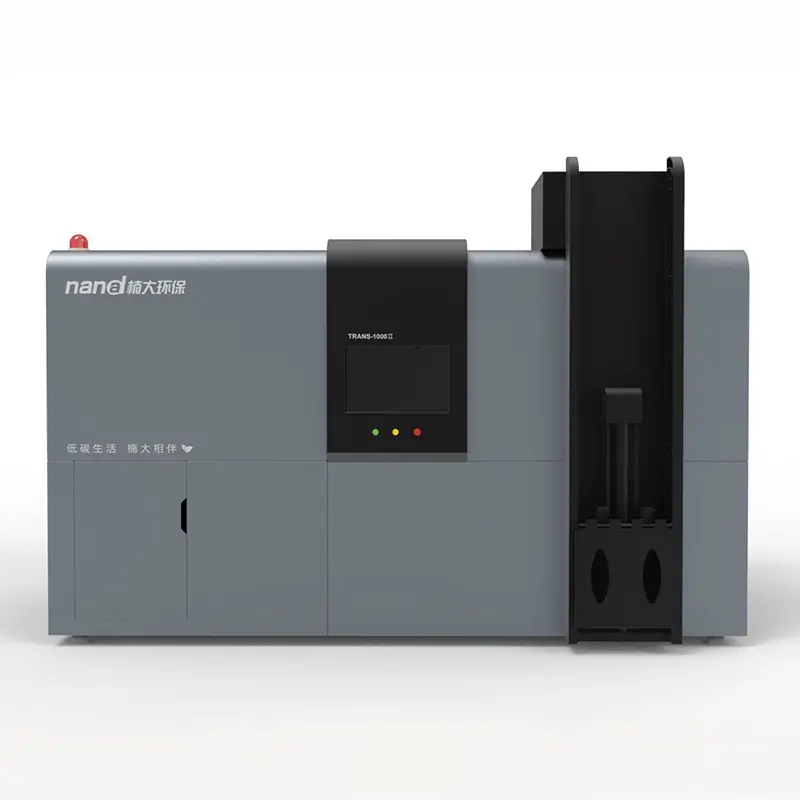 Nanda Trans Series-1000
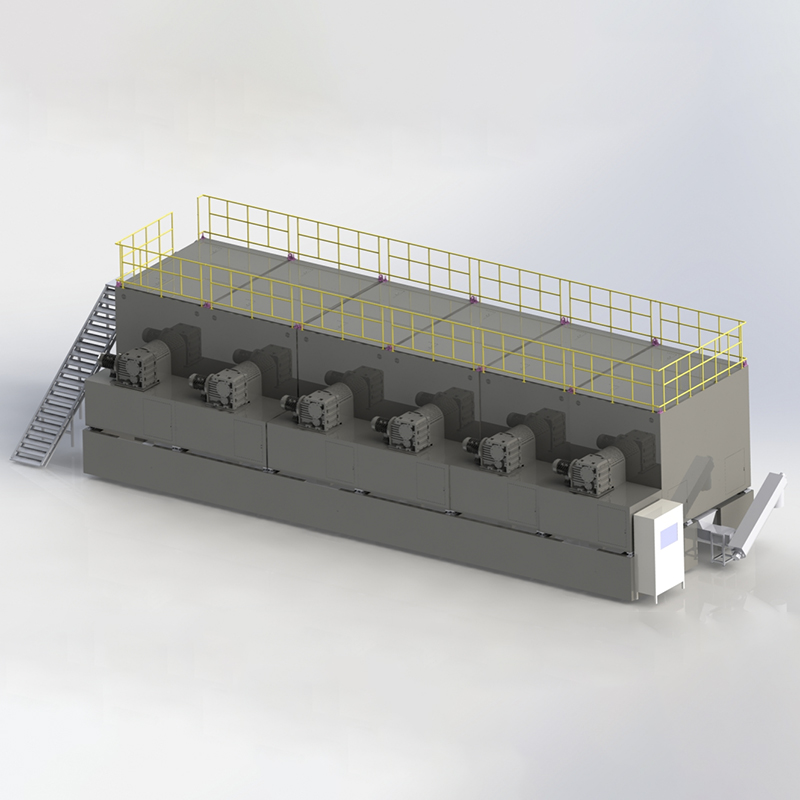 Nanda Trans Series-30000
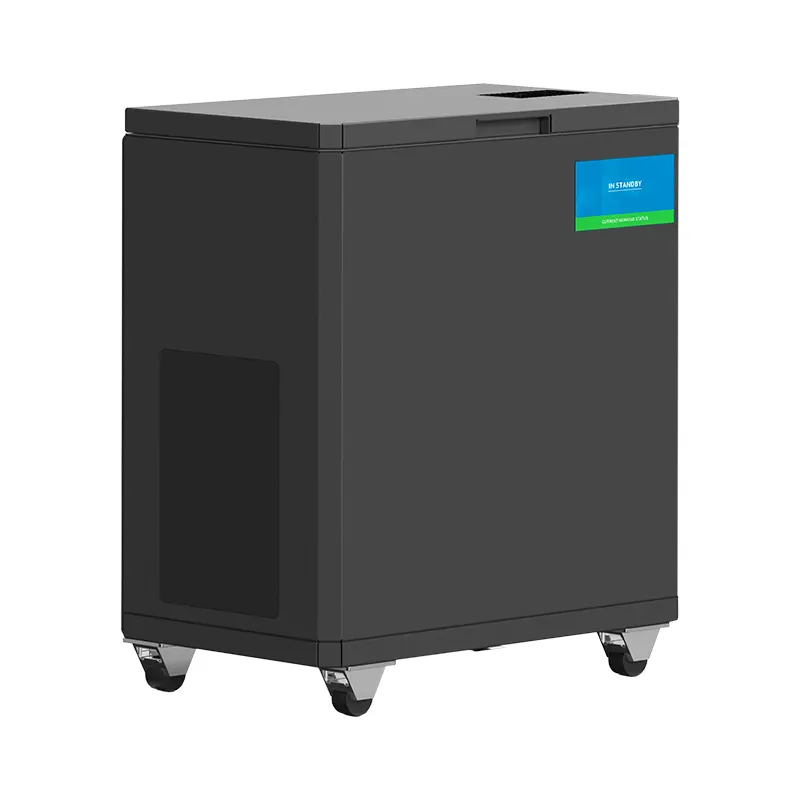 Nanda Thermax Series-100
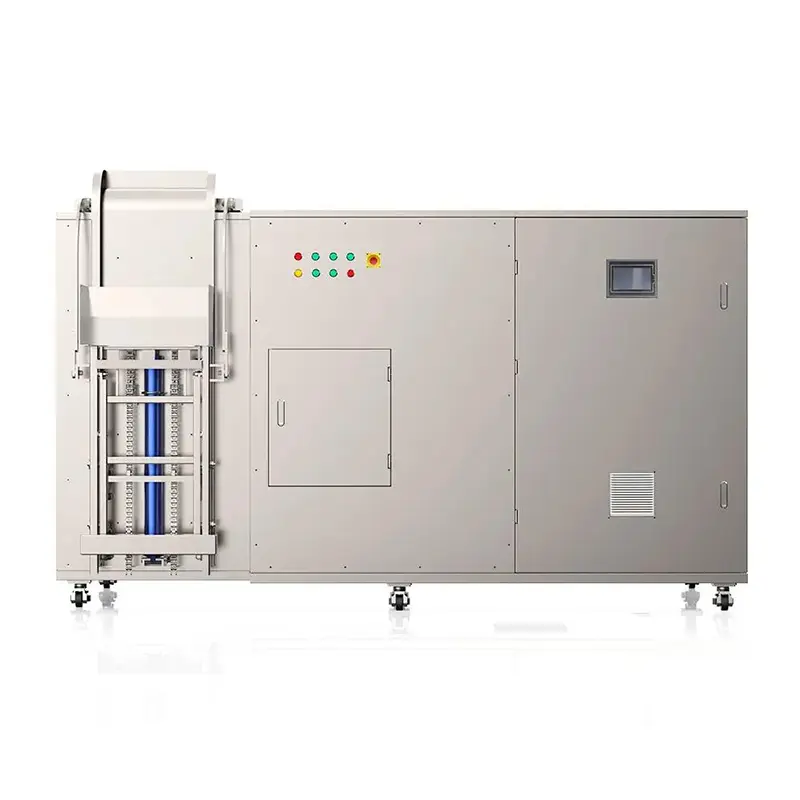 Nanda Thermax Series-200
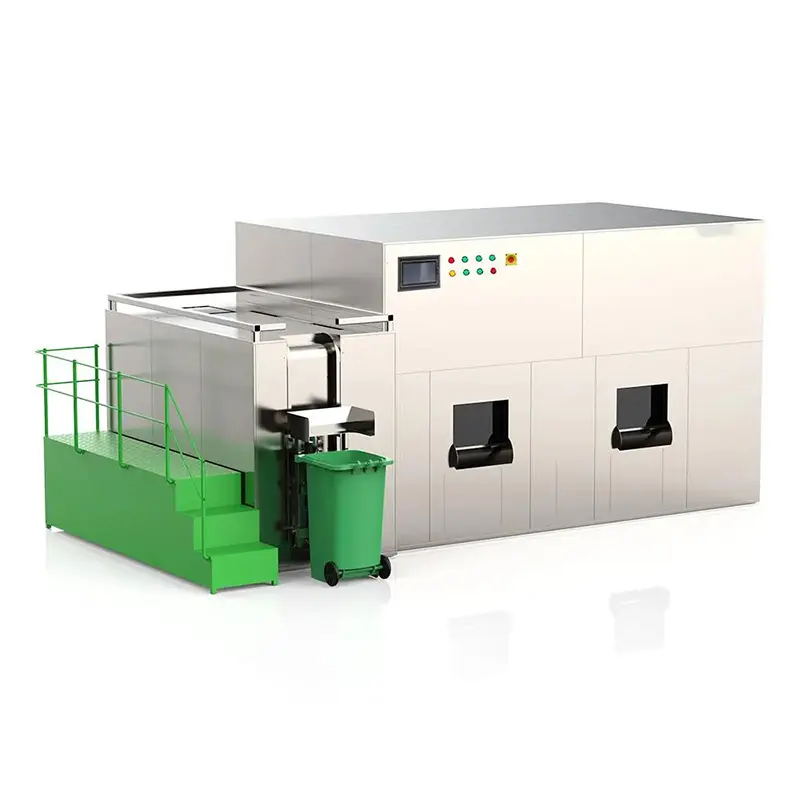 Nanda Thermax Series-2000
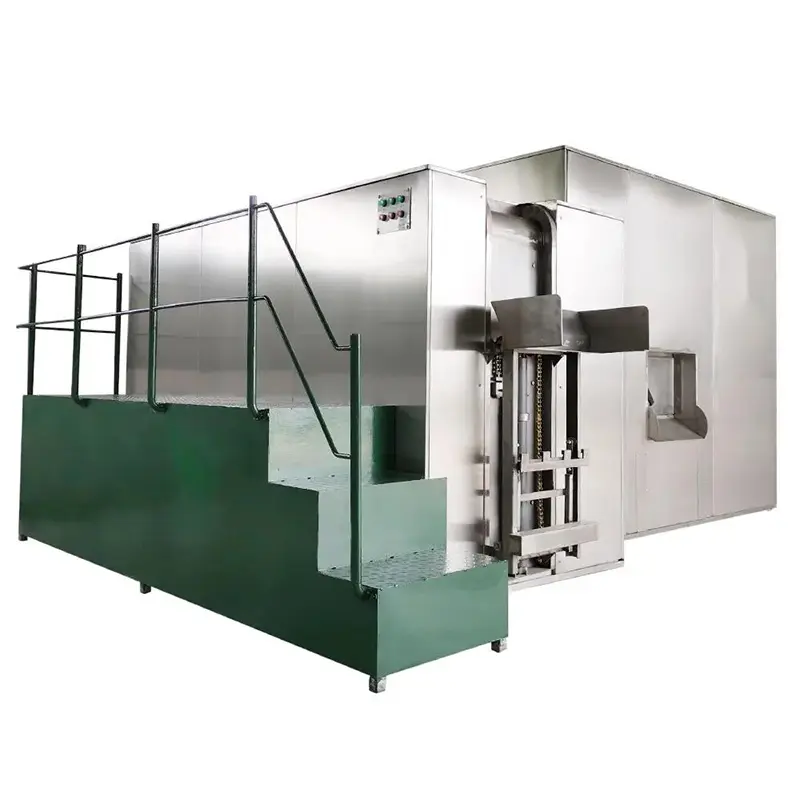 Nanda Thermax Series-10000
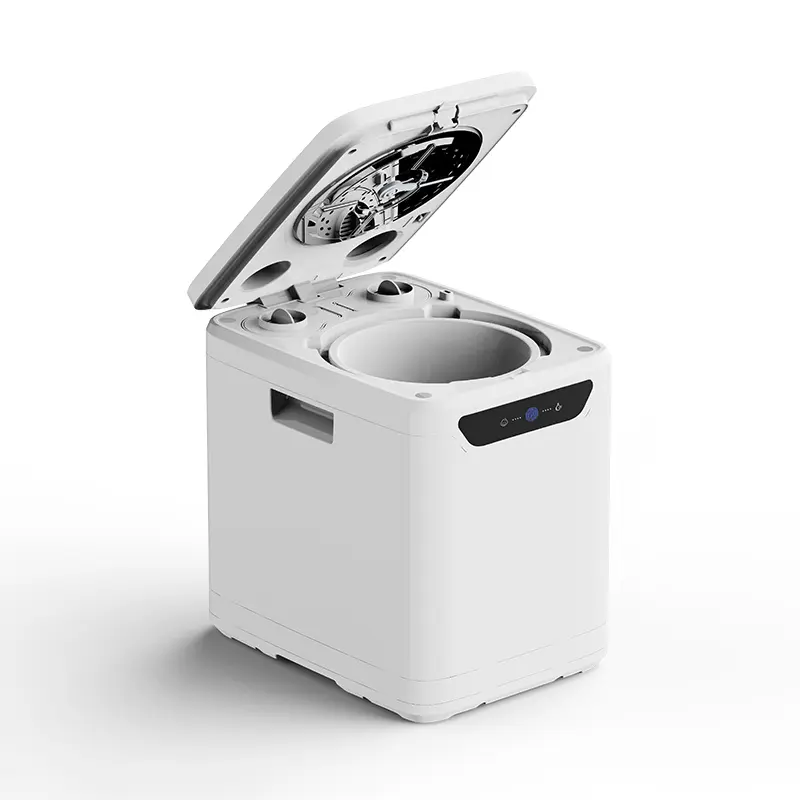 Nanda Turbo Series-3.5L-016
 Nanda-Turbo Series-4L-011
 Nanda Turbo Series-4L-012
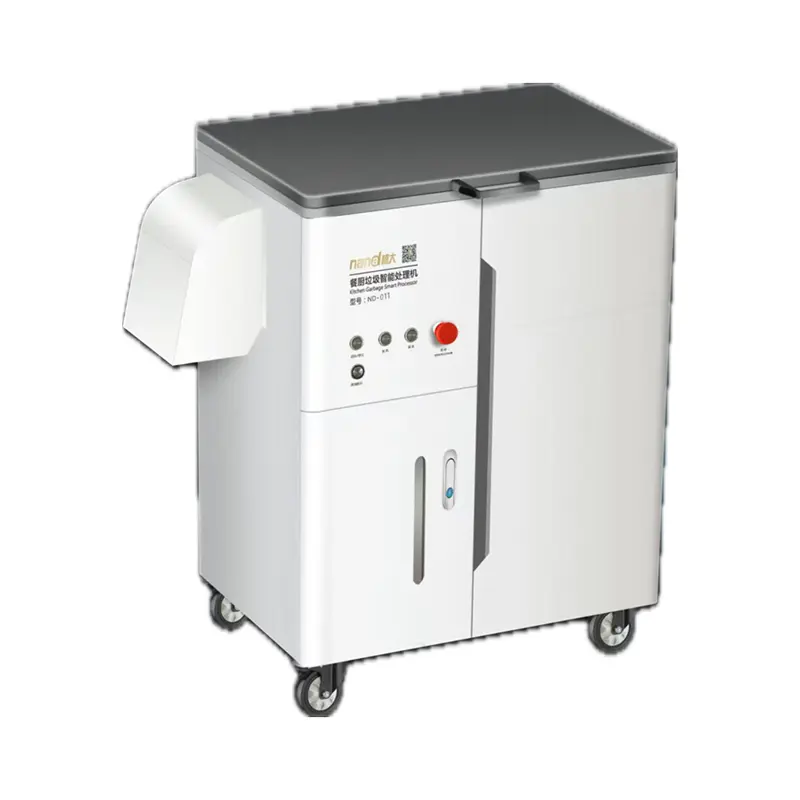 Oil-Water Separator


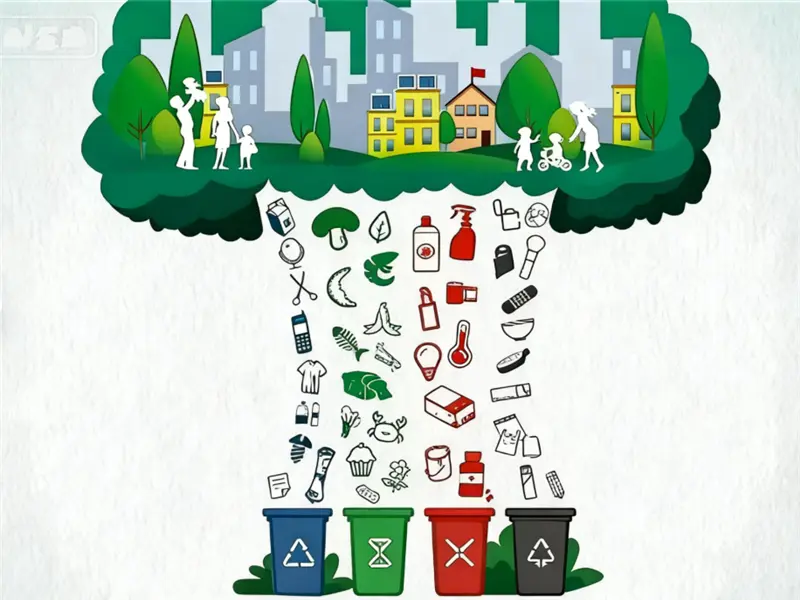



How Smart Waste Management Disposal Systems Reduce Food Waste Pollution
In an era where sustainable development is paramount, Food Waste has become a majorenvironmental challenge. Globally, approximately one-third of food is wasted, making efficient Food Waste Collection and processing systems crucial. Smart waste management systems are at the forefront of addressing this issue, offering innovative solutions that not only reduce food waste but also mitigate pollution.
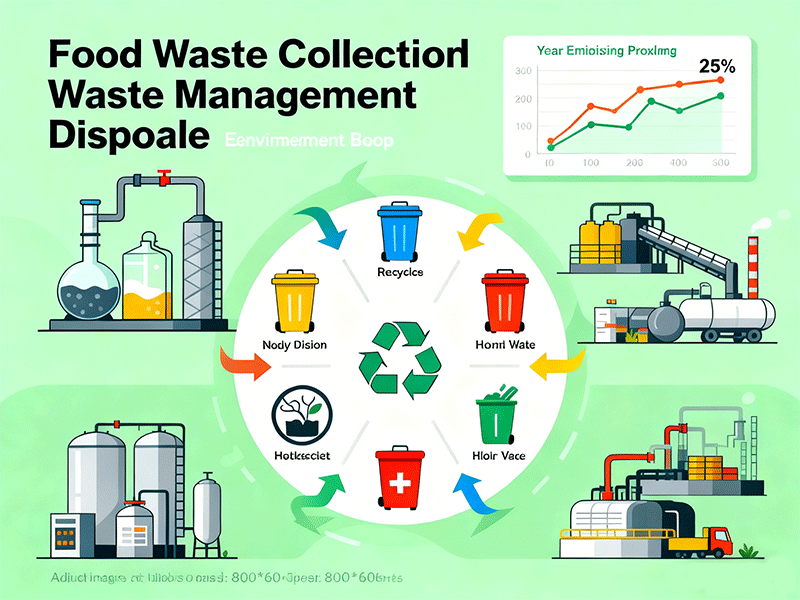
Food waste collection is the first step in an integrated waste management strategy. Traditional methods typically involve landfill disposal, which leads to greenhouse gas emissions and leachate generation. However, smart waste management systems utilize advanced technologies to streamline the collection process. These systems use sensors and data analytics to monitor Waste Volume in real time, optimizing collection routes and scheduling. This efficient collection method reduces carbon emissions from waste collection vehicles and minimizes the time food waste spends in landfills.
One of the most effective strategies of smart waste management systems is separating Organic Waste from other types of waste. By setting up dedicated food waste collection bins equipped with smart sensors, municipalities can encourage residents and businesses to properly dispose of food waste. This separation is crucial because mixing organic waste with recyclables or general waste leads to pollution and increases landfill usage. By sending food waste to composting facilities or anaerobic digesters, these systems not only reduce the amount of waste sent to landfills but also create valuable resources such as compost and biogas.
Furthermore, smart waste management systems utilize technology to educate and mobilize community residents. Mobile applications and online platforms provide users with correct food waste disposal methods, tips for reducing household food waste, and the latest information on local composting programs. By cultivating environmental awareness and responsibility, these systems can motivate individuals to take action, ultimately significantly reducing food waste generation.
Beyond community involvement, smart waste management systems utilize data analytics to track and analyze food waste patterns. By understanding the sources and types of food waste, municipalities can implement targeted interventions. For example, if data shows a significant amount of food waste originates from restaurants, local governments can collaborate with these restaurants to develop waste reduction strategies, such as implementing surplus food donation programs or partnering with local food banks. This data-driven approach not only improves waste management efficiency but also fosters collaboration among stakeholders.
The environmental benefits of smart waste management systems go far beyond reducing food waste. By minimizing the amount of organic waste sent to landfills, these systems help reduce methane emissions, a potent greenhouse gas produced during the anaerobic decomposition of food waste. Furthermore, compost made from food waste can improve soil health, promote biodiversity, and reduce the need for chemical fertilizers, thus building more sustainable agricultural ecosystems.
In conclusion, smart waste management systems play a crucial role in reducing food waste pollution. Through efficient food waste collection, community engagement, and data-driven strategies, these systems not only minimize the environmental impact of food waste but also help foster a culture of sustainable development. As we continue to face the challenges of climate change and resource depletion, adopting innovative waste management solutions is essential for creating a cleaner, greener future. By investing in smart waste management systems, we can reverse the trend of food waste and pave the way for a more sustainable world.