
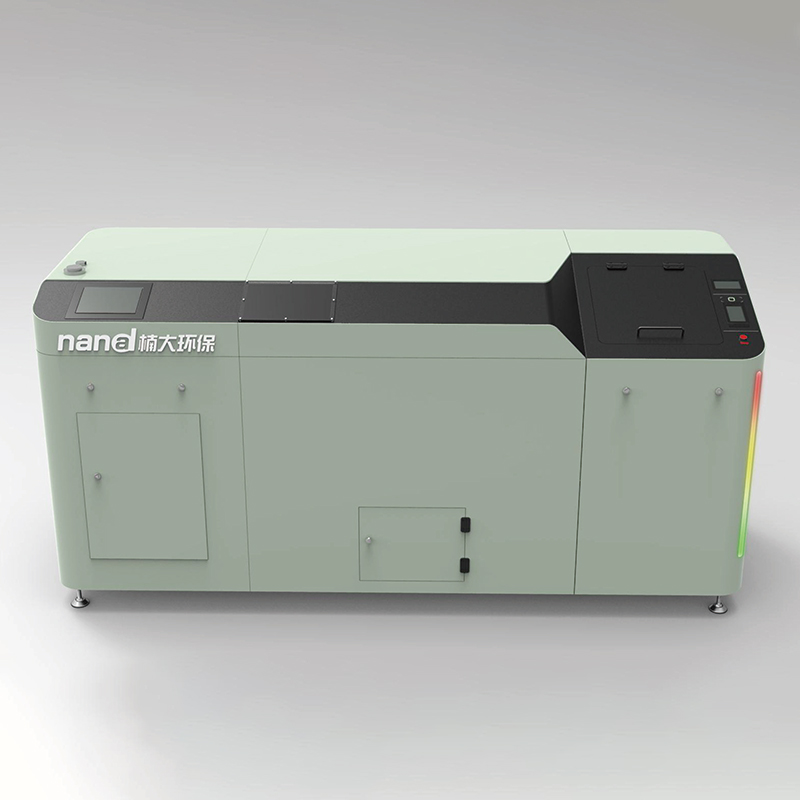
 Nanda Trans Series-200
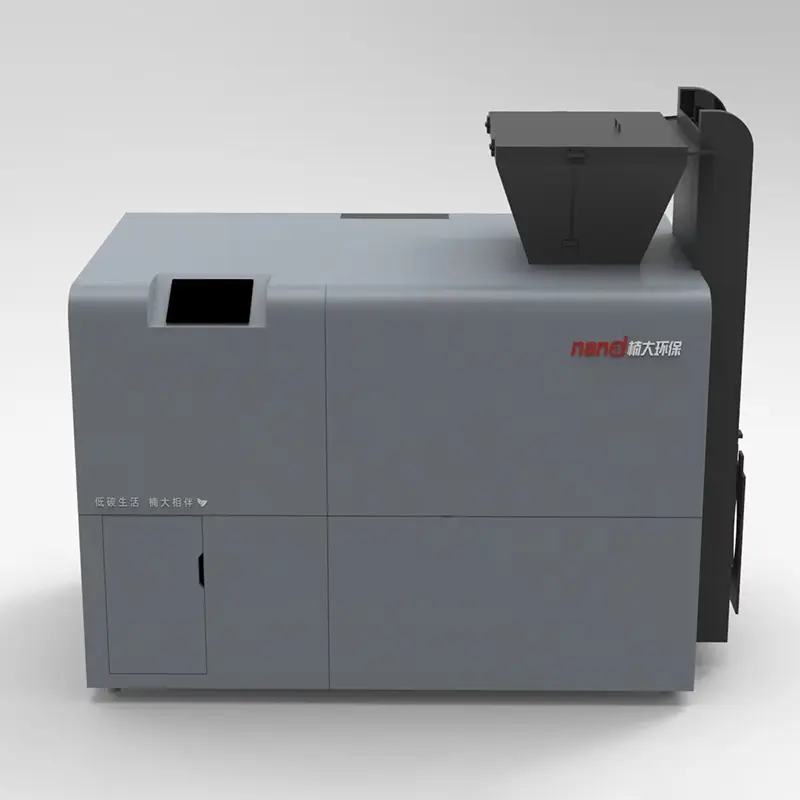 Nanda Trans Series-500
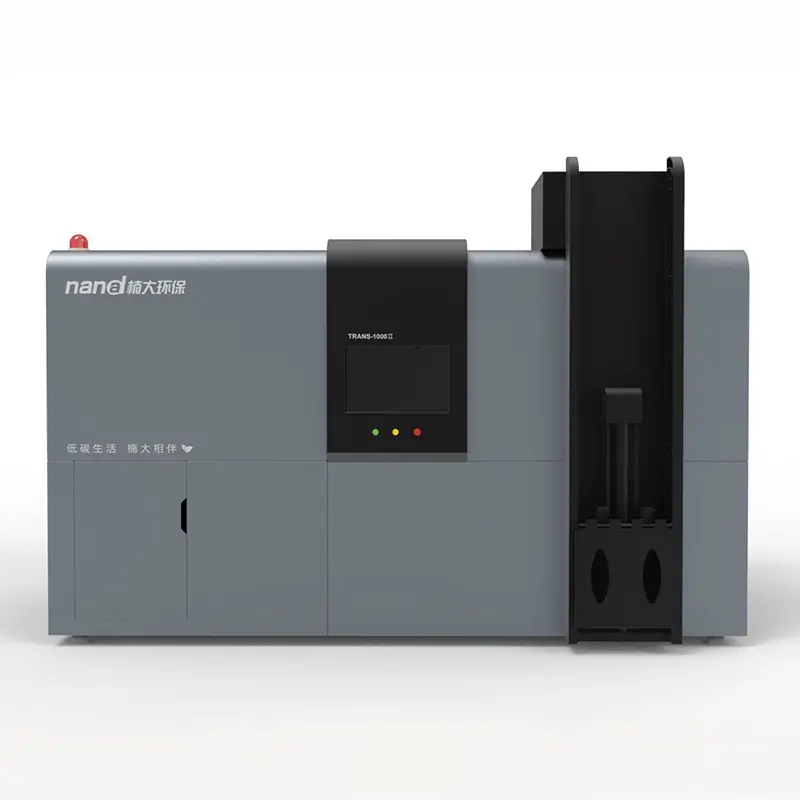 Nanda Trans Series-1000
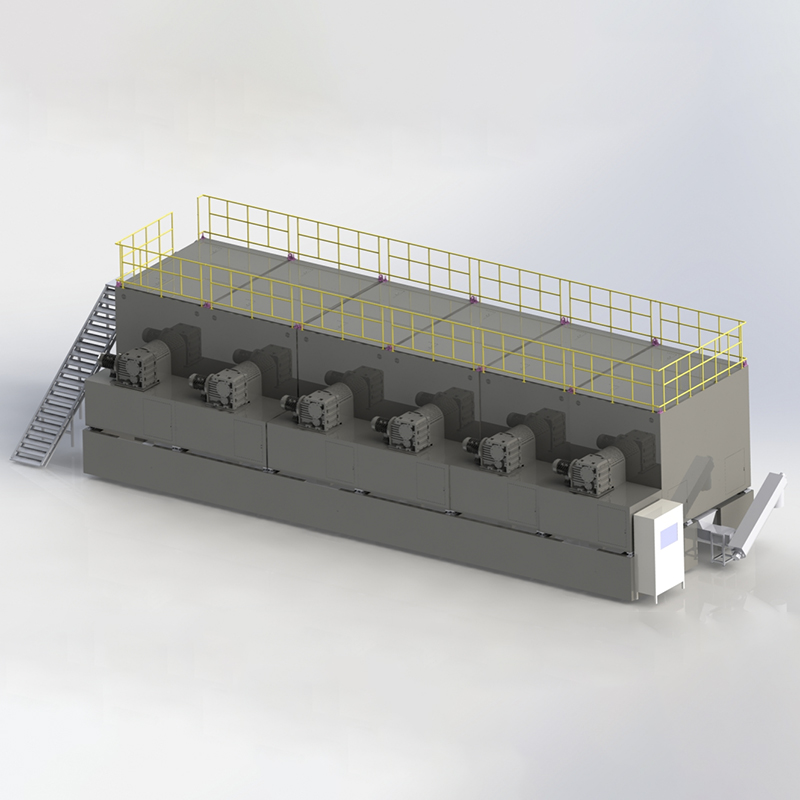 Nanda Trans Series-30000
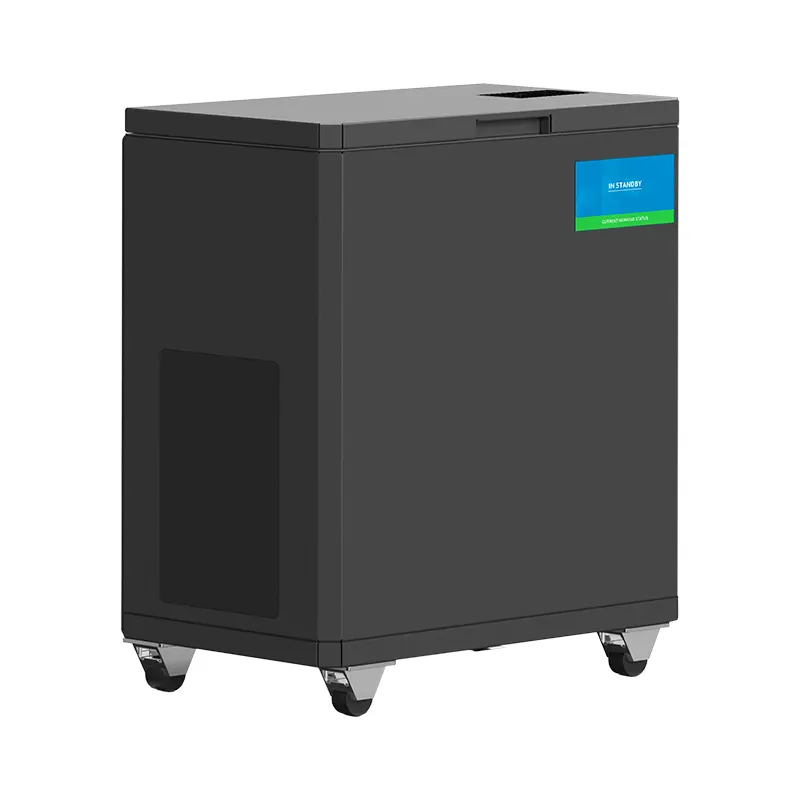 Nanda Thermax Series-100
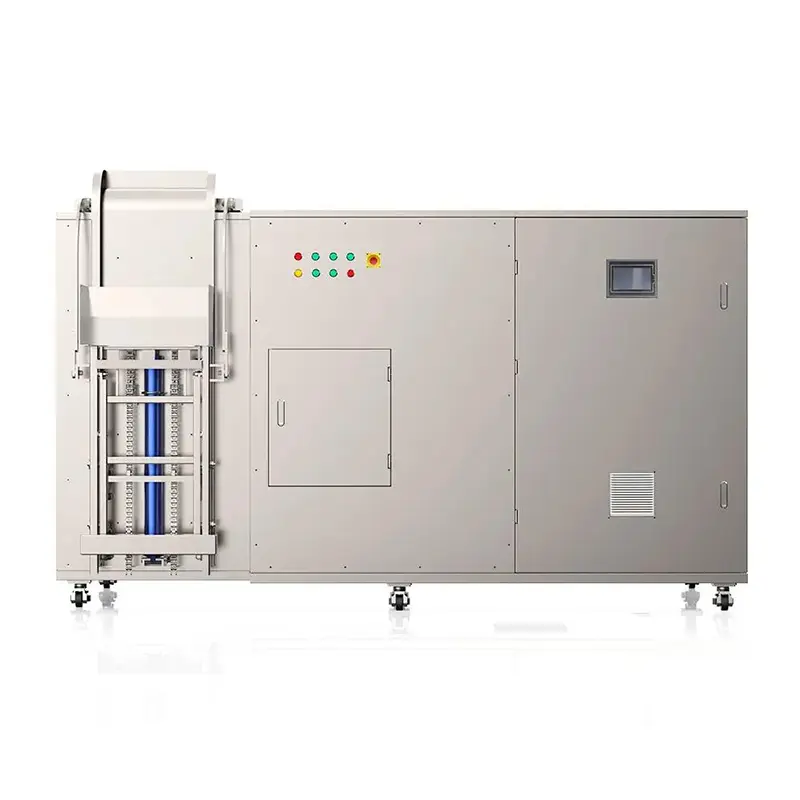 Nanda Thermax Series-200
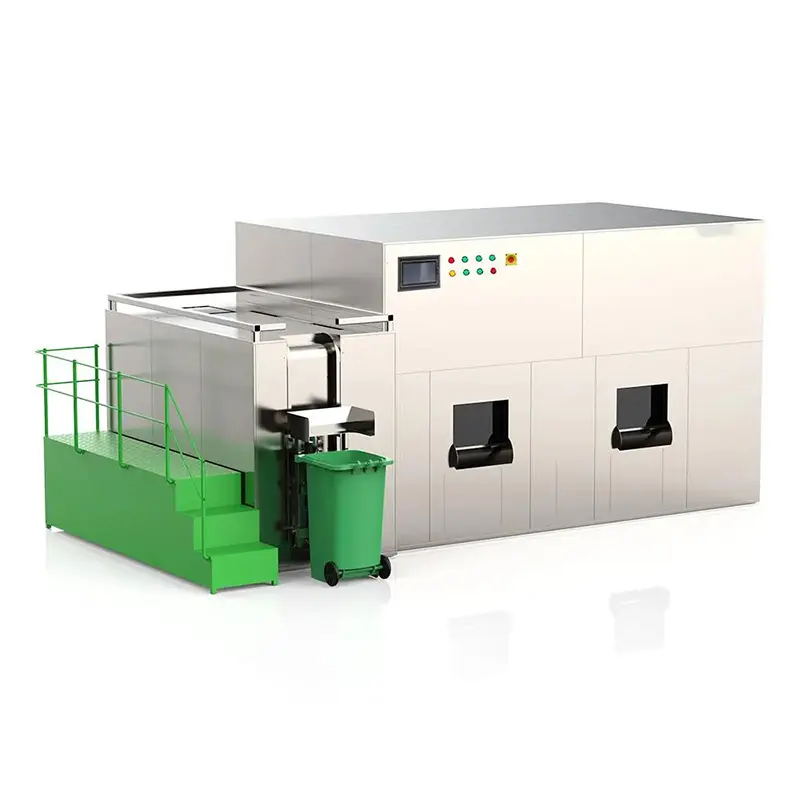 Nanda Thermax Series-2000
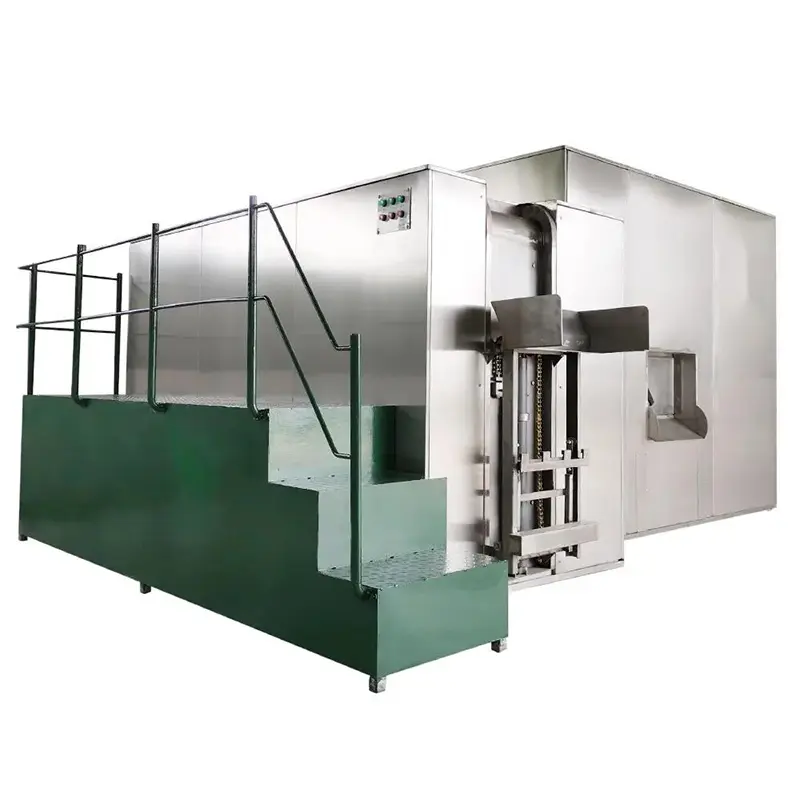 Nanda Thermax Series-10000
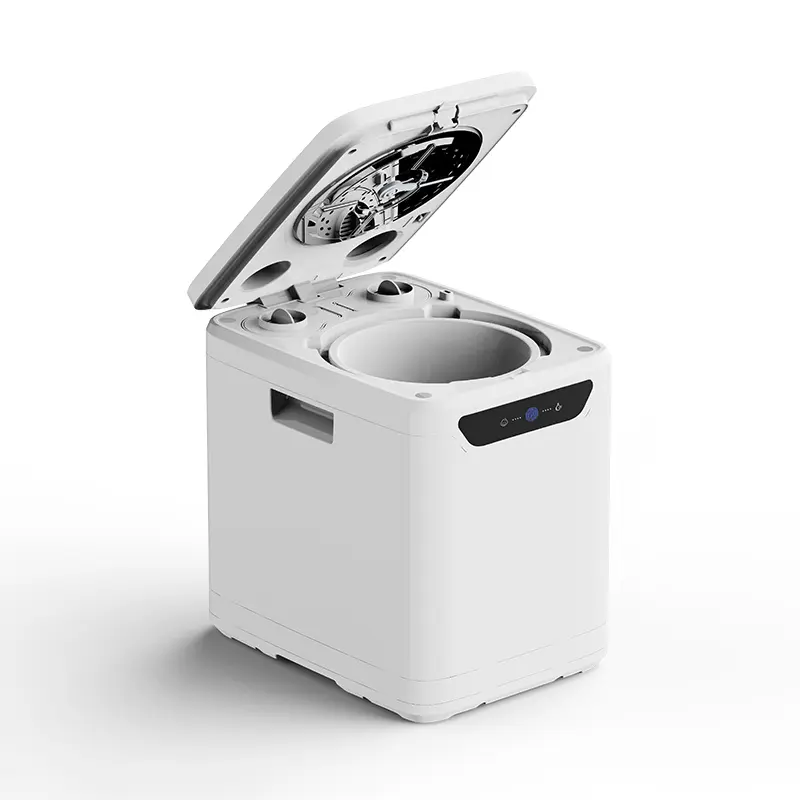 Nanda Turbo Series-3.5L-016
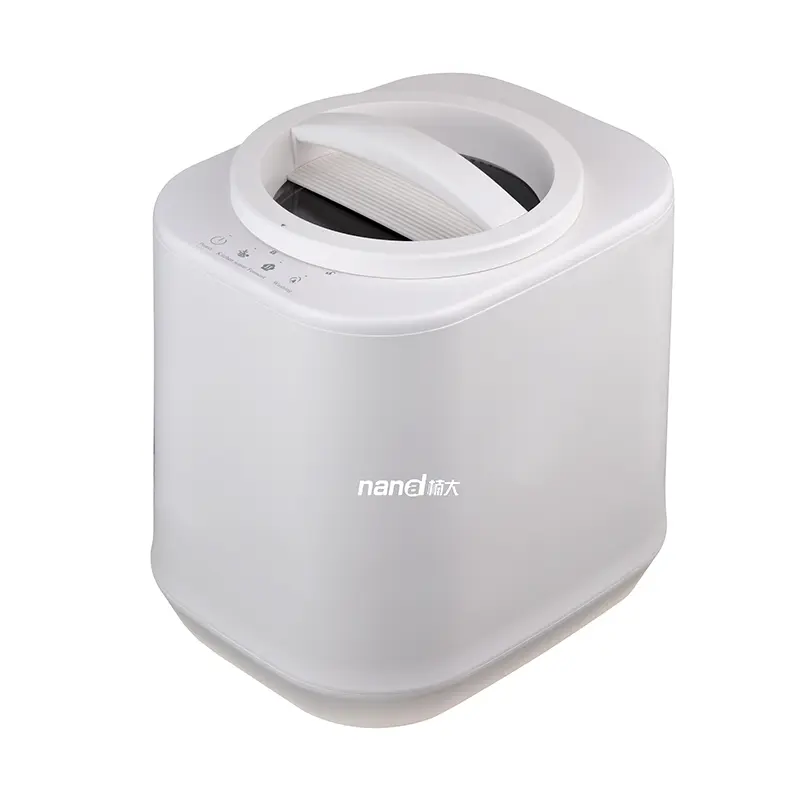 Nanda-Turbo Series-4L-011
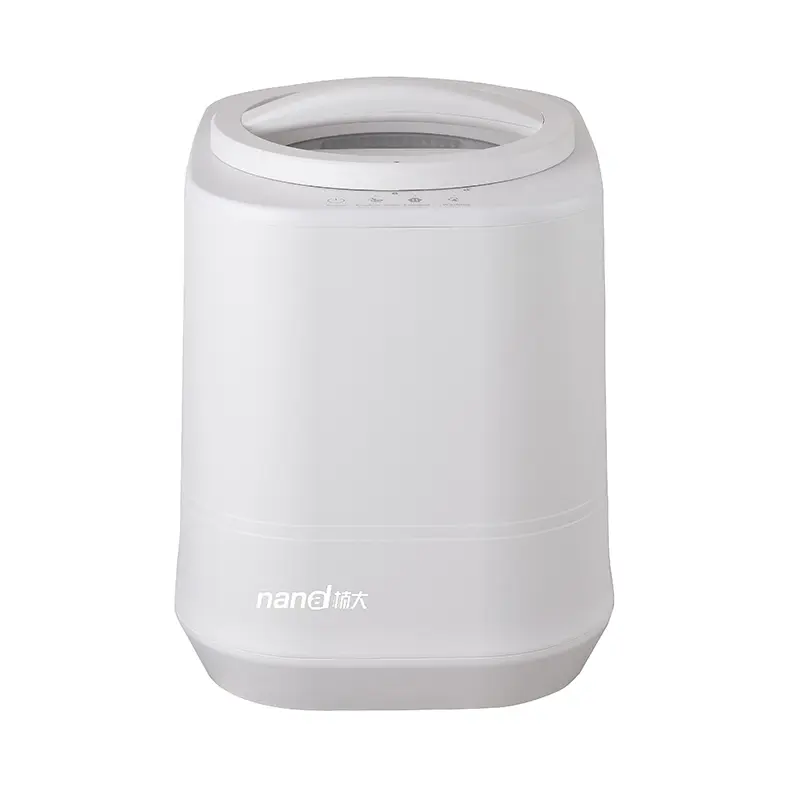 Nanda Turbo Series-4L-012
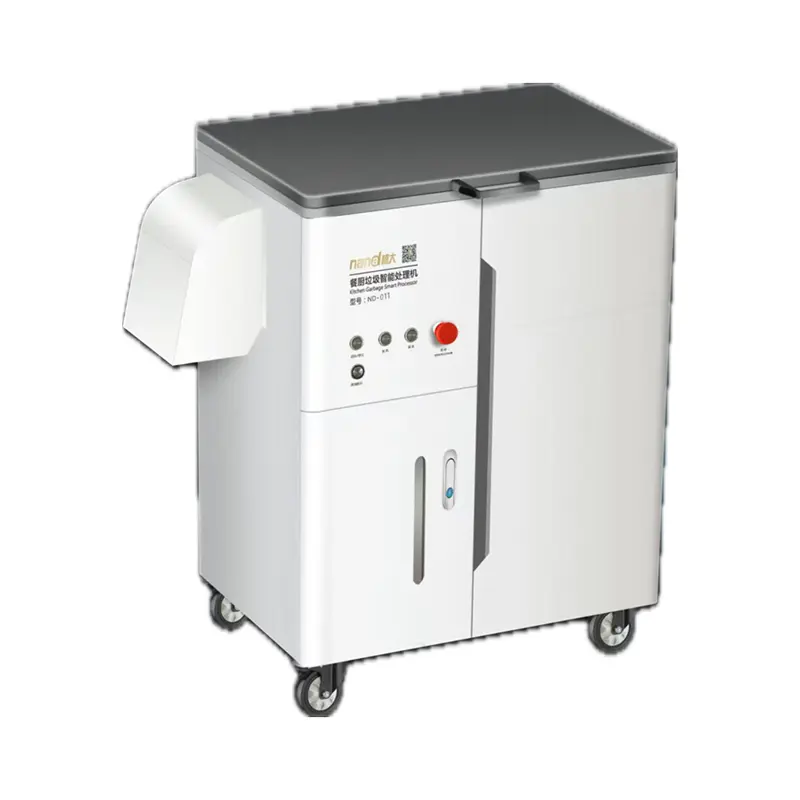 Oil-Water Separator



OEM Compost Machines for Home Use: Top Models from Leading Manufacturers
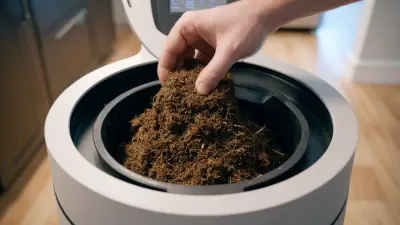
Transform your waste into a valuable resource with our Compost At Home Machine. Tailored for eco-conscious homes and businesses, this efficient solution enables you to convert kitchen scraps and yard waste into nutrient-rich compost right in your backyard. As a trusted OEM supplier, we collaborate with factories to uphold the highest standards of quality and performance, ensuring you achieve an effective and sustainable composting experience.


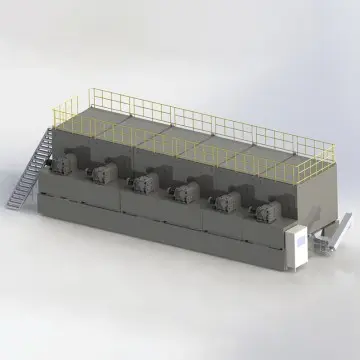
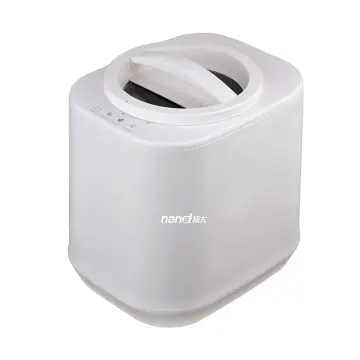
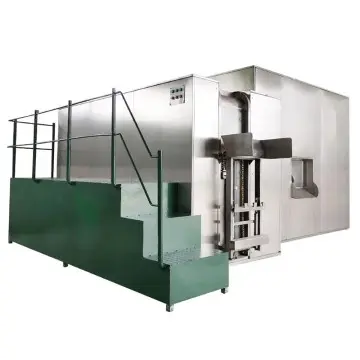
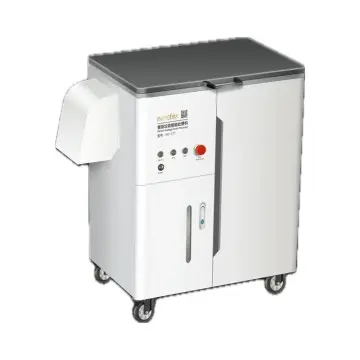
10 Essential Tips For Compost At Home Machine Guarantees Peak Performance Application
Composting at home has gained prominence as a sustainable Waste Management solution, and optimizing your compost machine can significantly enhance its effectiveness. Here are ten essential tips that can help you maximize the performance of your home composting system, ensuring you convert organic waste into rich, nutrient-dense compost for your garden. First, maintain the right balance of green and brown materials. Green materials, such as kitchen scraps and grass clippings, provide nitrogen, while brown materials like dried leaves and cardboard supply carbon. An ideal ratio is approximately 2:1. Secondly, ensure proper aeration by regularly turning your compost. This helps to accelerate the decomposition process and prevent unpleasant odors. Additionally, monitoring moisture levels is crucial; aim for a consistency resembling a damp sponge. Too much water can lead to anaerobic conditions, while too little can slow down decomposition. Lastly, consider adding compost accelerators, such as shredded newspaper or aged manure, to enhance microbial activity. It's also beneficial to chop larger materials into smaller pieces, which increases the surface area for microbes to break down. Regularly checking the temperature of your compost can inform you about its activity level—aim for a range between 130°F and 160°F for optimal microbial action. By following these tips, not only will you produce high-quality compost, but you'll also contribute to a more sustainable future by effectively managing organic waste at home.
10 Essential Tips For Compost At Home Machine Guarantees Peak Performance Application
| Tip | Description | Application |
|---|---|---|
| Balance Your Ingredients | Ensure a proper carbon-to-nitrogen ratio (30:1) for optimal composting. | Mix browns (carbon) and greens (nitrogen) in every layer. |
| Chop Materials | Chop or shred larger materials to speed up decomposition. | Use a garden shredder or pruning shears. |
| Maintain Moisture | Keep compost moist but not soggy; if too dry, decomposition slows. | Spray water as needed during dry periods. |
| Aerate the Pile | Turn the compost regularly to introduce oxygen, aiding aerobic bacteria. | Use a pitchfork or compost turner every few weeks. |
| Add Activators | Incorporate activators like manure or compost starter to boost decomposition. | Mix activators in layers or sprinkle over the pile. |
| Avoid Pests and Odors | Keep a lid on the composting machine and avoid adding meat or dairy. | Regularly monitor for pests and manage Food Scraps accordingly. |
| Temperature Monitoring | Check the temperature regularly; ideal range is 130°F to 160°F. | Use a compost thermometer to ensure proper heat levels. |
| Use a Good Compost Bin | Select a compost bin that retains heat, moisture, and is easy to turn. | Consider options like tumblers or insulated bins. |
| Know When to Harvest | Compost is ready when it is dark, crumbly, and earthy smelling. | Sift through to separate unfinished materials and add them back to the pile. |
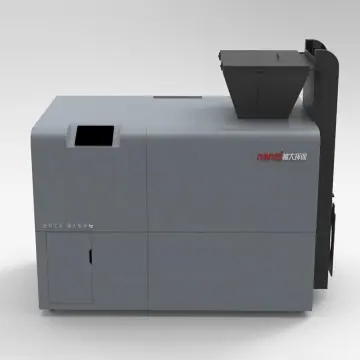
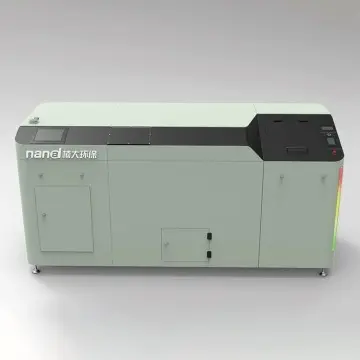
The Clear Choice of Compost At Home Machine Industry Leaders Pioneers in the Field
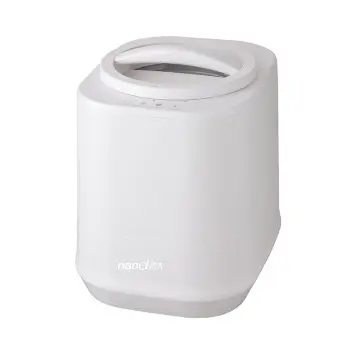
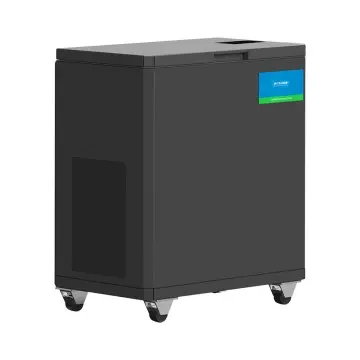
S
Susan Parker
Fantastic quality! I appreciated the follow-up calls from their support staff—they truly care about customer satisfaction.
29 May 2025
A
Anna Morgan
The quality of this item is top-notch! The service I received from their representatives was both professional and friendly.
29 May 2025
B
Benjamin Simmons
High-quality product and immediate support! Truly a wonderful experience.
07 July 2025
K
Kevin Price
Impressed by the quality! Their after-sales service was professional and quick.
05 June 2025
F
Finn Martinez
Great quality product! Their customer service team showed great attention to detail.
03 June 2025
A
Ava Hall
Impressive! The professionalism and skill of their customer service team are admirable.
22 June 2025