
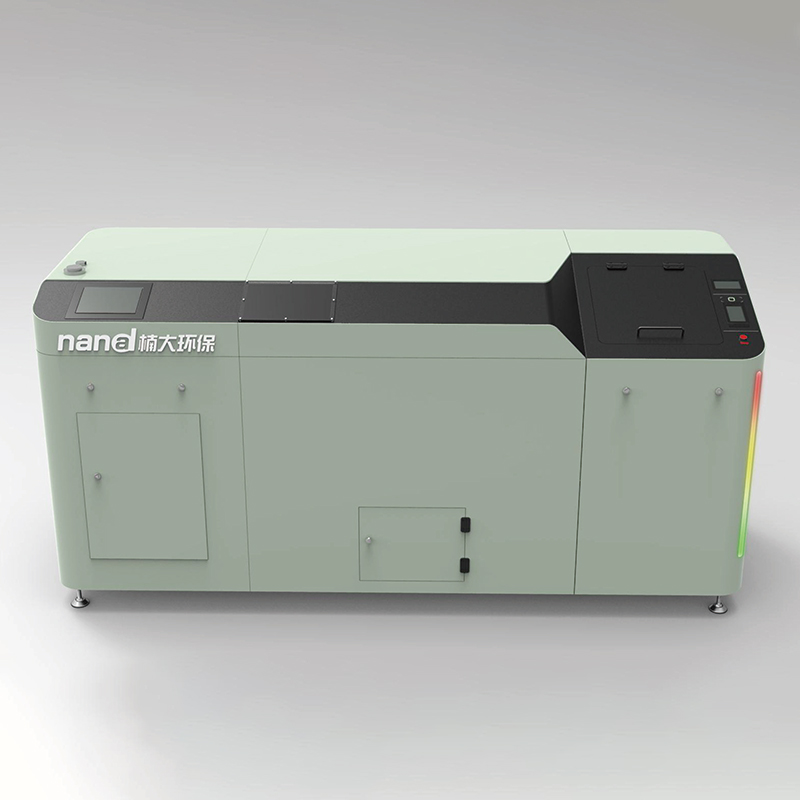
 Nanda Trans Series-200
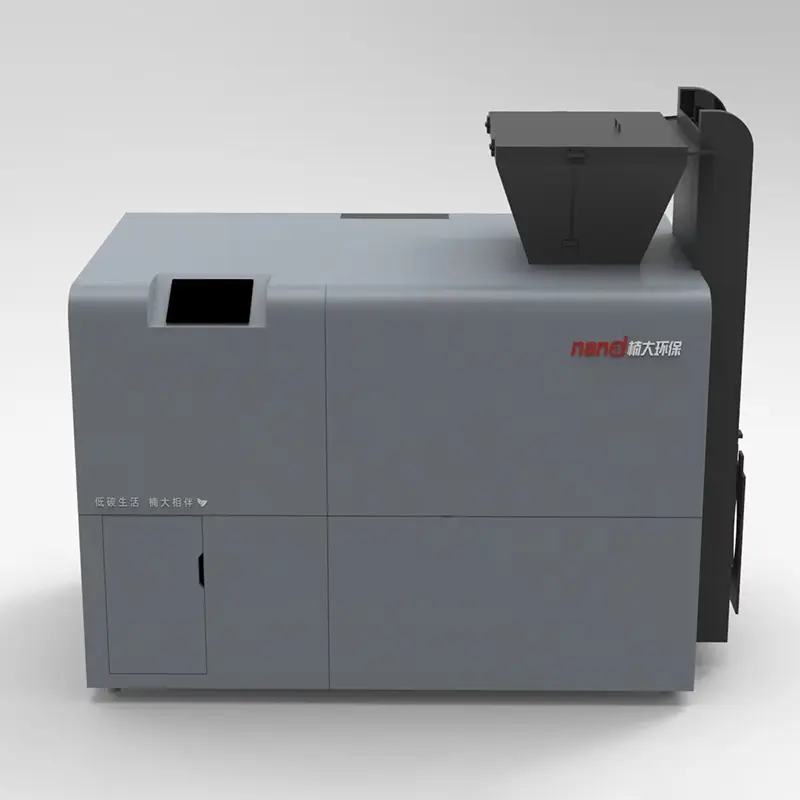 Nanda Trans Series-500
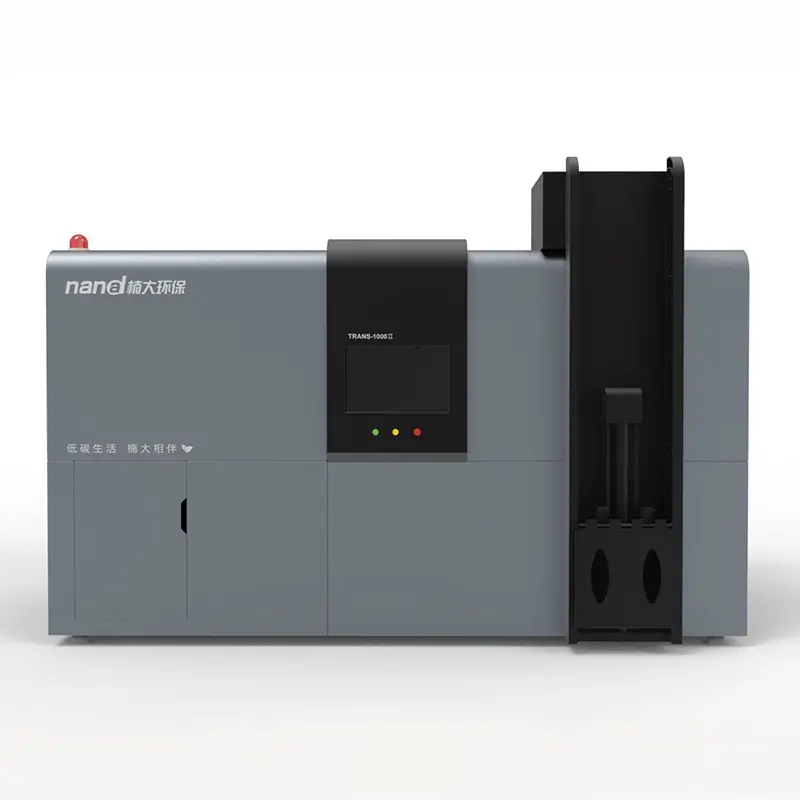 Nanda Trans Series-1000
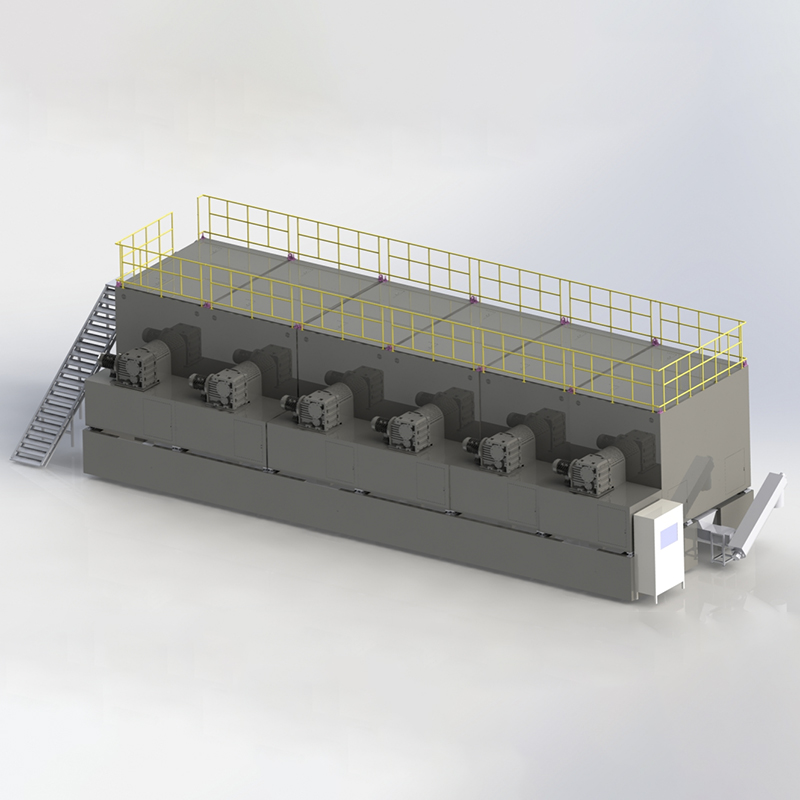 Nanda Trans Series-30000
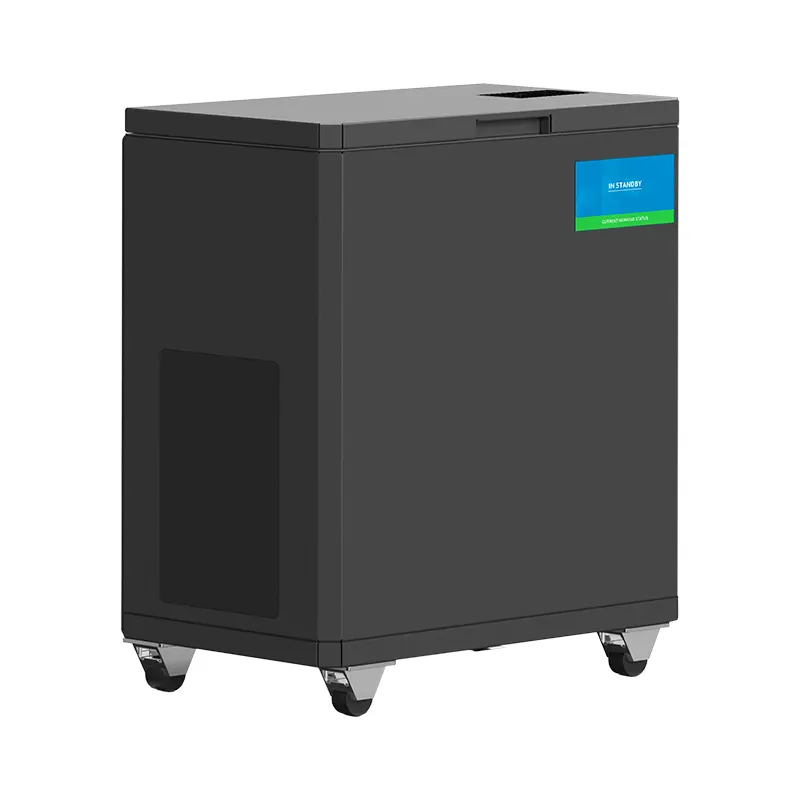 Nanda Thermax Series-100
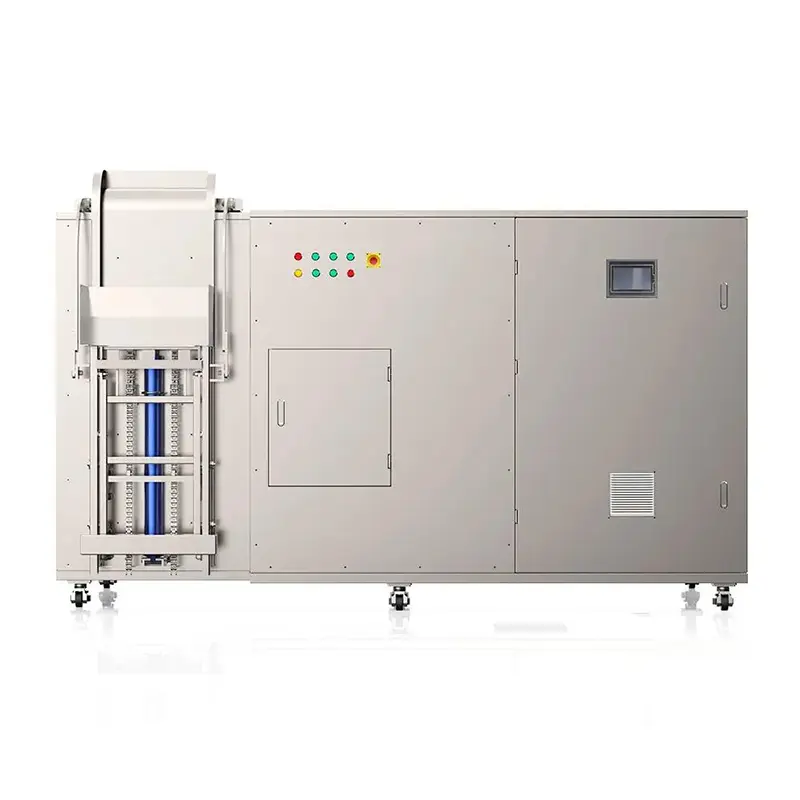 Nanda Thermax Series-200
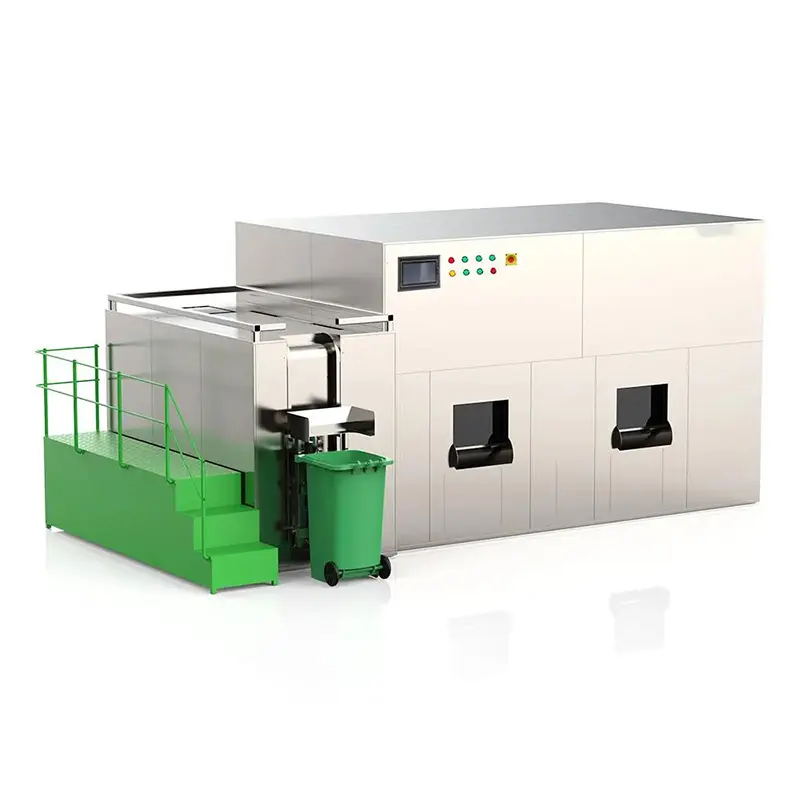 Nanda Thermax Series-2000
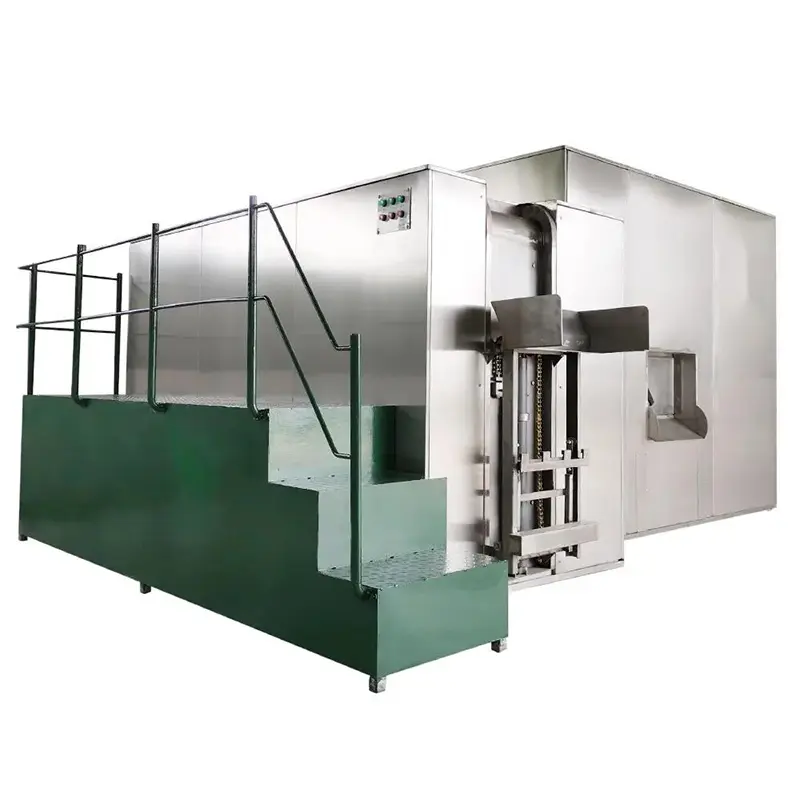 Nanda Thermax Series-10000
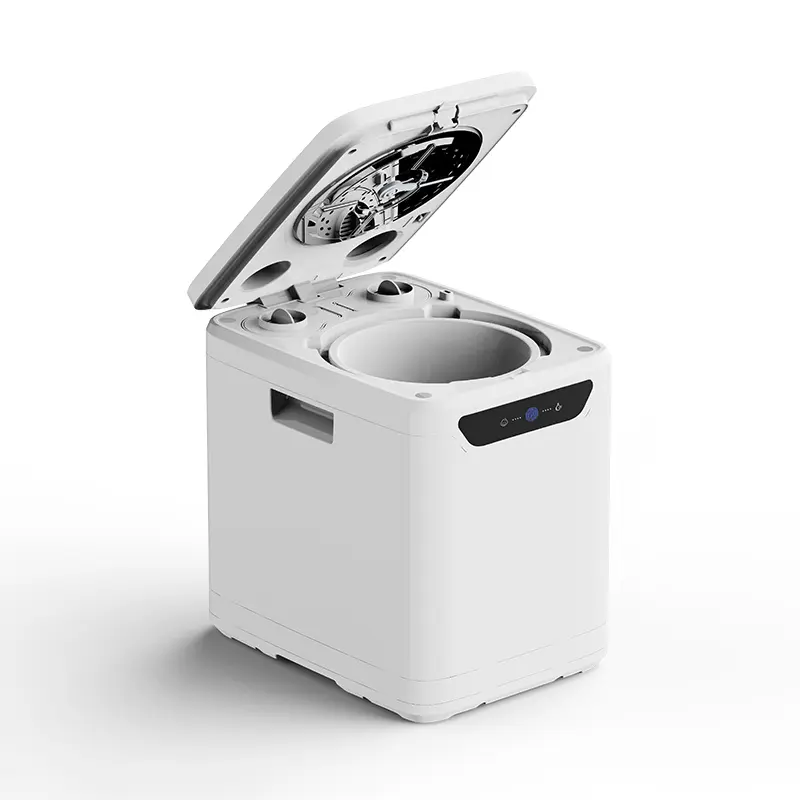 Nanda Turbo Series-3.5L-016
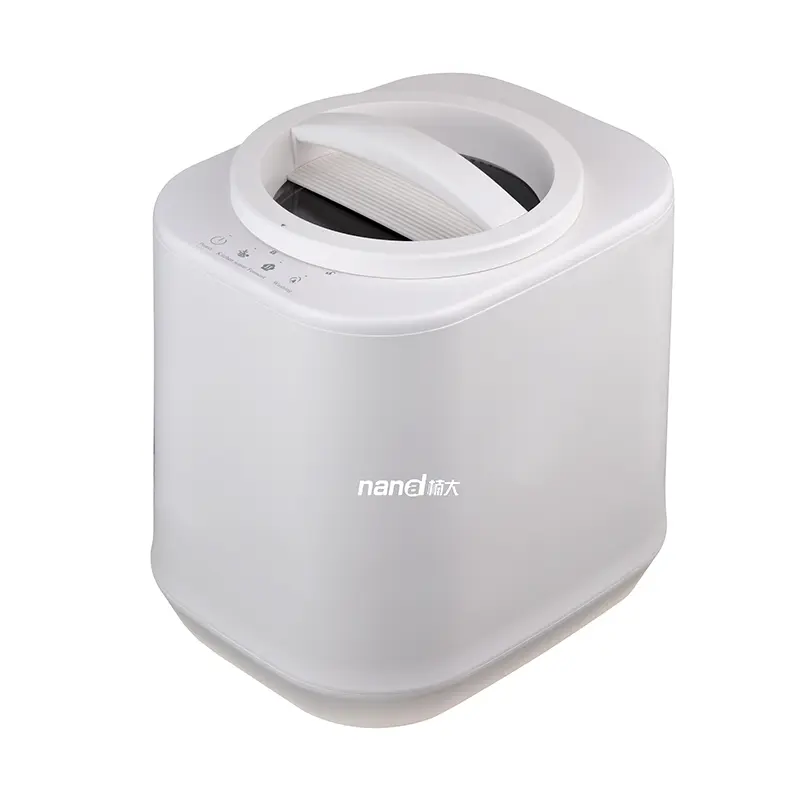 Nanda-Turbo Series-4L-011
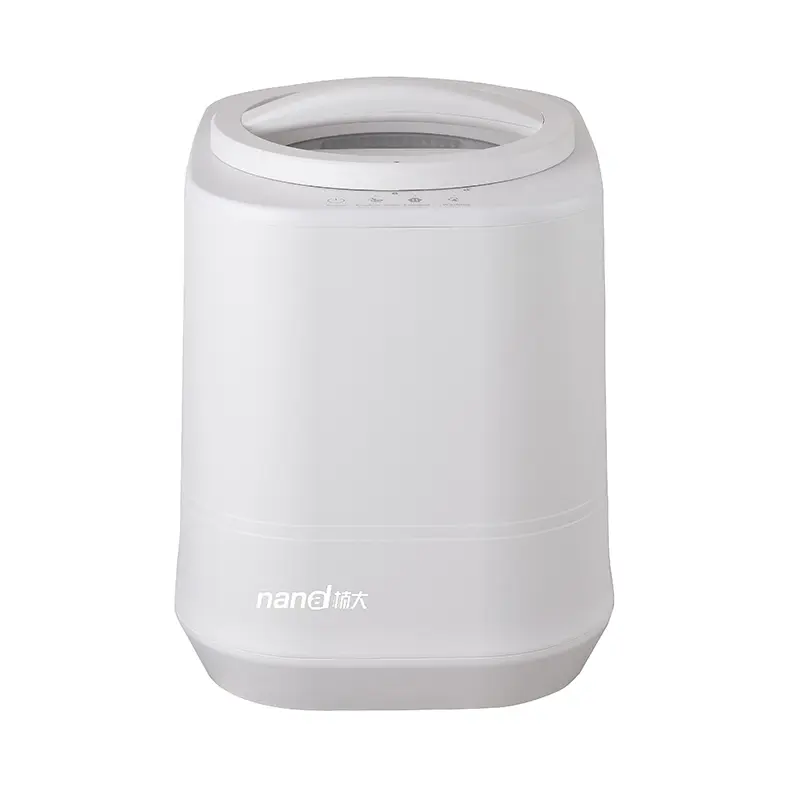 Nanda Turbo Series-4L-012
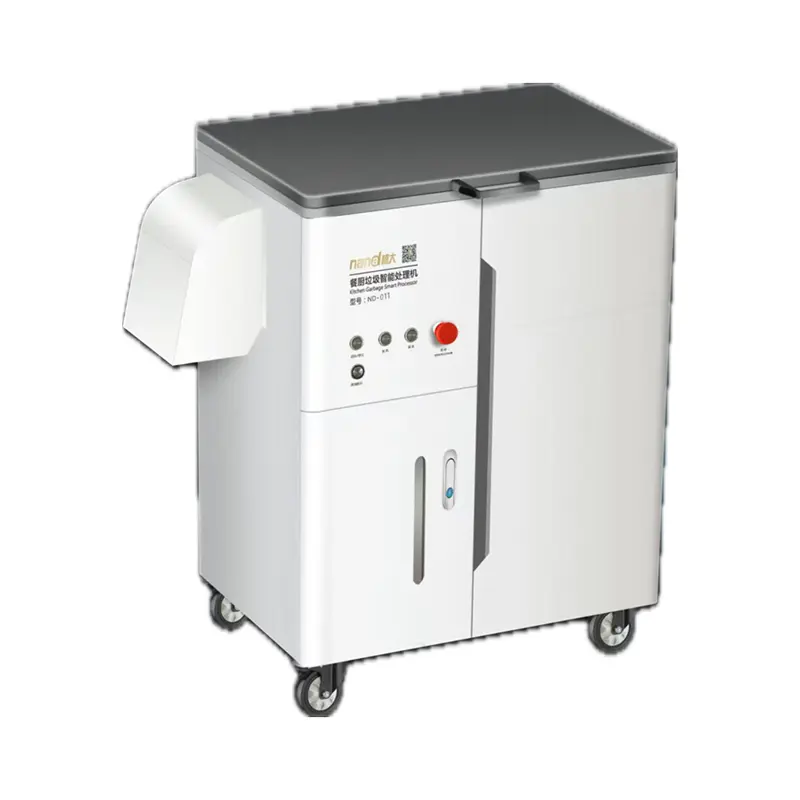 Oil-Water Separator



Best ODM Suppliers for Efficient Commercial Food Waste Disposal Solutions
Elevate your business's sustainability with our advanced food waste disposal systems designed specifically for commercial applications. Our solutions are both highly efficient and cost-effective, allowing your company to flourish while contributing positively to the environment. Collaborating with Hangzhou Nanda Environmental Protection Technology Co., Ltd. provides you with access to expert support and innovative technology. Turn waste disposal challenges into opportunities for sustainable growth today. Contact us to enhance your Waste Management approach!


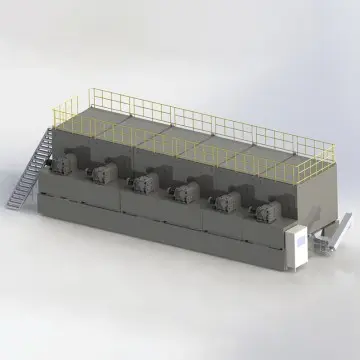
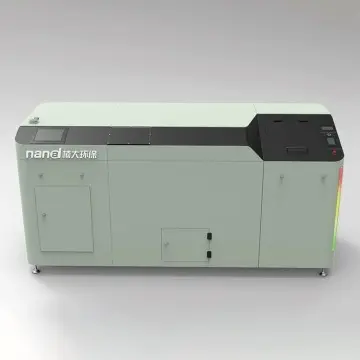
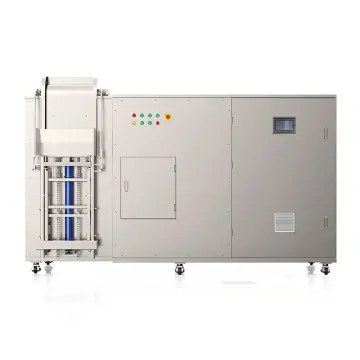
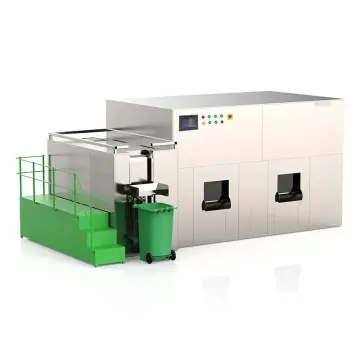
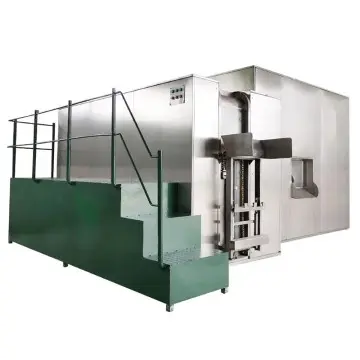
Best Methods To Commercial Food Waste Disposal in 2025 Industry Leaders
As the global push for sustainability intensifies, commercial food waste disposal is undergoing a significant transformation. For industry leaders in 2025, the best methods for managing organic waste will focus on innovative technologies and efficient practices that align with environmental goals. The adoption of anaerobic digestion is becoming increasingly popular, allowing businesses to convert food waste into renewable energy while minimizing landfill use. This process not only reduces greenhouse gas emissions but also produces valuable by-products such as biogas and nutrient-rich fertilizers, providing a dual benefit for companies looking to enhance their sustainability profile. Moreover, integrating advanced data analytics into waste management systems is set to revolutionize how food waste is tracked and processed. By utilizing smart sensors and IoT technologies, companies can monitor waste generation patterns, optimize collection schedules, and identify potential areas for reducing food waste at the source. This proactive approach enables businesses to implement targeted strategies to cut down on excess inventory and improve overall operational efficiency. As procurement professionals increasingly prioritize sustainability in their supply chains, partnering with waste management leaders who leverage these cutting-edge technologies will be essential for meeting both compliance requirements and consumer expectations. In conclusion, the future of commercial food waste disposal will be characterized by a commitment to innovation, sustainability, and efficiency. Industry leaders will need to stay ahead of the curve by adopting comprehensive waste management solutions that not only meet regulatory demands but also contribute to a greener planet. By embracing these methodologies, businesses can not only enhance their brand reputation but also create a more sustainable future for generations to come.
| Method | Description | Expected Impact | Cost Efficiency |
|---|---|---|---|
| Composting | Biological decomposition of organic waste, resulting in nutrient-rich soil amendment. | Reduces landfill waste by up to 30%; enhances soil health. | Low cost with potential savings on waste disposal fees. |
| Anaerobic Digestion | Breakdown of organic material in absence of oxygen, producing biogas for energy. | Generates renewable energy; reduces greenhouse gas emissions. | High initial investment, but cost-effective in the long run. |
| Food Redistribution | Donating surplus food to local shelters and food banks. | Critical in fighting food insecurity; conserves resources. | Negligible cost; tax deductions may apply. |
| Waste-to-Energy | Incineration of waste to generate electricity and heat. | Reduces landfill volume; provides alternative energy source. | Moderate to high cost; benefits from energy sale. |
| Innovative Packaging | Using packaging that extends shelf life and reduces spoilage. | Decreases food waste at the source. | Variable costs; potential savings on wasted product. |
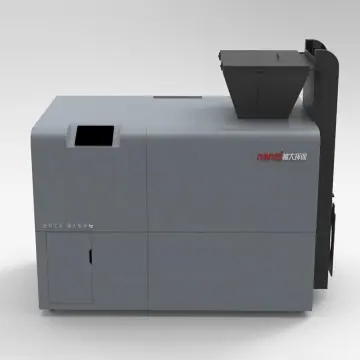
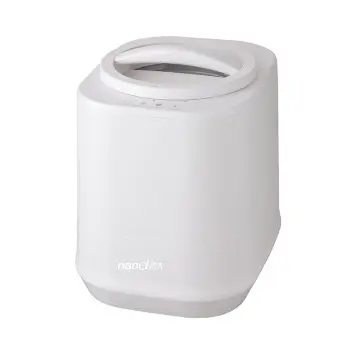
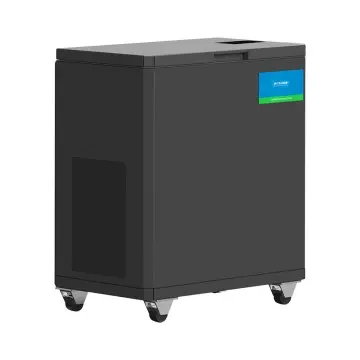
The Secret to Commercial Food Waste Disposal Factory Industry Giant

G
George Wright
High-quality materials and exceptional after-sales support. I am very pleased!
21 June 2025
J
Julia Foster
The quality of this item is superb! Their after-sales service was swift and professional.
08 June 2025
O
Olivia Sullivan
Excellent craftsmanship! The expertise of the support team stood out.
04 July 2025
D
Derek Reid
Very high quality! Customer service was prompt and very knowledgeable.
22 May 2025
C
Carla Simmons
I am very satisfied! The quality is evident, and the service was very professional.
13 May 2025
L
Laura Diaz
Excellent product all around! The follow-up from their support staff was greatly appreciated.
16 May 2025