How to Choose a Waste Sorting Machine for Your Business?
Choosing a Waste Sorting Machine is a practical decision, not merely a purchase. The right system must match your material stream, facility space, labor capacity, and recovery targets. A machine designed for dry packaging may perform poorly with wet organic residue. That mistake can become expensive.
Tom Eng, a recognized recycling-equipment specialist and former president of CP Group, has stated, “The goal of sorting is to produce a clean, marketable product.” This principle should guide every evaluation. Ask what materials enter your facility each hour. Measure moisture, particle size, contamination, and seasonal changes. A conveyor may look impressive in a showroom, yet fail when bags arrive torn and heavily soiled.
Start with your actual waste samples. Do not trust assumptions.
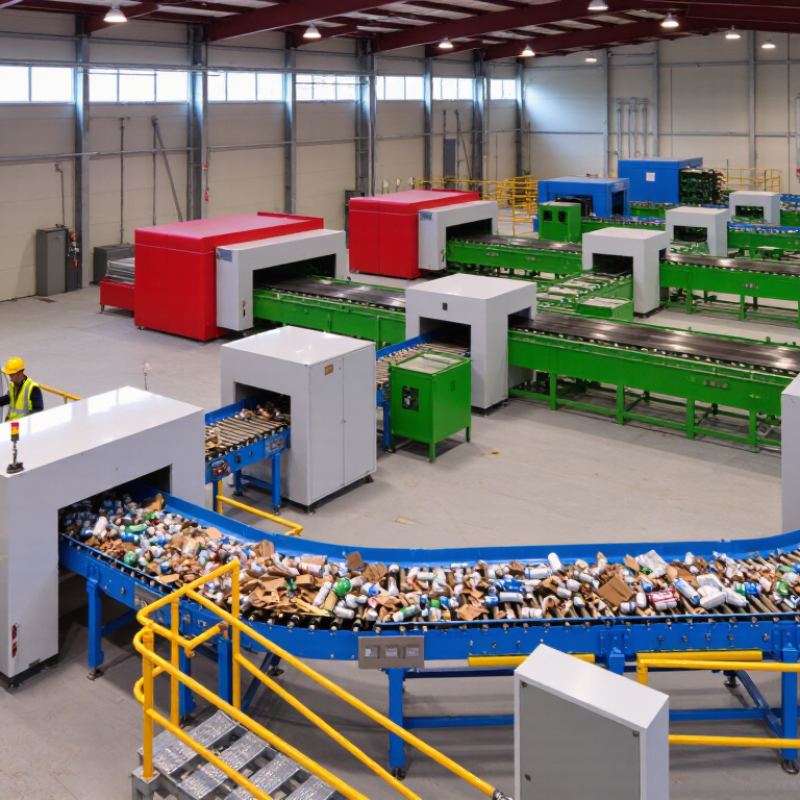
Compare optical sorters, magnets, eddy-current separators, trommels, ballistic separators, and manual quality-control stations. Each technology solves a different problem. Optical equipment can identify colors, polymers, or fibers, but it needs proper calibration and stable material presentation. Magnets remove ferrous metals effectively, while eddy-current units target aluminum and other non-ferrous metals. Maintenance access also matters. Technicians need safe, clear routes to sensors, belts, and bearings.
Consider throughput, energy use, noise, spare parts, software support, and operator training. Request trial results using your own waste. Ask for measured recovery and purity rates, not attractive promises. Some figures may change after installation.
There is no perfect machine. Your decision may involve compromises between price, purity, automation, and future expansion. A reliable supplier will explain those limits clearly and help you build a system that works beyond the brochure.
Define Your Business’s Waste Types, Volume, and Sorting Goals
Choosing a waste sorting machine starts with a waste definition, not a catalog.
Separate materials by composition, moisture, size, density, and contamination. A food-processing plant may handle wet organics, film, cardboard, and rejected products. A construction site may produce rubble, timber, metals, and fine dust. These streams behave differently on conveyors, screens, magnets, and optical systems. Field audits commonly reveal that mixed bins hide the real problem. Sample waste across shifts and seasons. Record percentages by weight.
Report data gives scale, not a complete specification. The World Bank’s What a Waste 2.0 estimated 2.01 billion tonnes of municipal waste in 2016. It projected 3.40 billion tonnes by 2050. Your operation may still be modest. Measure average tonnes per hour, peak flow, container frequency, and bulk density. Include downtime and moisture changes. A neat spreadsheet can mislead.
Set clear sorting goals before requesting quotations.
These may include recovery rate, material purity, labor reduction, landfill diversion, or payback. Define acceptable residue and contamination levels. If a facility needs clean PET but receives oily containers, an optical sorter alone may disappoint. Test representative samples at the proposed feed rate. Request measured purity, recovery, throughput, power use, maintenance intervals, and wet-condition results. The Global E-waste Monitor 2024 reported 62 million tonnes of e-waste in 2022. That figure reinforces the need for material-specific planning. Start small. Recheck assumptions after commissioning.
Compare Sorting Technologies and Machine Functions
Choosing a waste sorting machine starts with the material, not the machine catalogue. The World Bank’s What a Waste 2.0 report estimated 2.01 billion tonnes of municipal solid waste in 2016. That volume is projected to reach 3.40 billion tonnes by 2050. Your system must handle today’s stream and tomorrow’s pressure.
Trommel screens separate materials by size before finer sorting begins. Magnetic separators remove ferrous metals from a moving conveyor. Eddy-current units target aluminium and other non-ferrous metals. Optical sorters use near-infrared sensors to identify plastics, paper, and packaging by composition. Vision systems can detect colour, shape, and misplaced objects. They can be precise. They are not magic. Wet films, black plastics, dust, and crushed containers may reduce accuracy. The U.S. Environmental Protection Agency identifies contamination as a major challenge for recycling quality, so upstream screening and regular cleaning matter.
Compare throughput, belt width, air pressure, sensor resolution, maintenance access, and reject capacity. A high-speed optical unit may be wasteful for a small, inconsistent feed. A simpler magnetic separator may deliver greater value in a metal-heavy stream. Eurostat reported that the European Union recycled about 48.6% of municipal waste in 2022, but rates varied widely between countries. That difference reflects collection quality, plant design, and operating discipline. Request test results using your own samples. Measure recovery, purity, electricity use, and downtime. Budget for mistakes. A machine can meet its brochure target under ideal conditions, yet underperform beside a wet, noisy conveyor.
Evaluate Capacity, Accuracy, Space, and Energy Requirements
A waste sorting machine should match your real material flow, not an optimistic sales forecast. The World Bank’s What a Waste 2.0 report estimated 2.01 billion tonnes of municipal solid waste were generated globally in 2016. That figure may reach 3.40 billion tonnes by 2050. Measure your peak hourly volume, moisture, contamination, and seasonal changes before selecting capacity. A machine rated for 10 tonnes per hour may perform poorly when bags arrive wet and unevenly loaded. Leave practical buffer capacity.
Accuracy depends on the material mix and the required purity level. Ask for test results using samples from your facility, not laboratory-perfect waste. Track capture rate, reject rate, and missed items over several shifts. The U.S. EPA reported a municipal solid waste recycling rate of 32.1% in 2018, showing how much material still remains outside productive recovery systems. Space planning matters too. Record conveyor length, maintenance access, ceiling height, storage zones, and safe walking routes. A compact layout can become difficult to clean.
Energy use deserves direct measurement. Request kilowatt-hours per tonne at different loads, then compare readings with your site’s electricity meter. The EPA’s Sustainable Materials Management data highlights the energy value of recovering materials, but inefficient equipment can reduce that benefit. Noise, dust, downtime, and operator training also affect performance. I would not ignore them. A slightly slower machine may deliver better purity and fewer stoppages, though this trade-off needs local testing.
How to Choose a Waste Sorting Machine for Your Business?
Evaluate throughput capacity, sorting accuracy, installation space, and energy requirements before selecting equipment.
Higher values indicate a greater planning requirement, not better machine performance. A small facility may require approximately 2 tonnes per hour of capacity, 85% sorting accuracy, 40 m² of installation space, and 15 kW of connected load. Larger facilities generally require higher throughput, greater floor space, and more power.
The figures are supplier-neutral preliminary planning benchmarks. Confirm final capacity, accuracy, footprint, and energy consumption through material tests and the machine specification before purchase.
Calculate Total Costs and Select the Right Supplier】【。
Choosing a waste sorting machine starts with the total cost, not the purchase price. Build a five-year cost sheet before comparing suppliers. Include equipment, delivery, installation, electrical work, training, energy, maintenance, spare parts, labor, and downtime. Add disposal fees for rejected materials. These costs often change the decision.
Measure your waste stream for several weeks. Record daily volume, moisture, material mix, contamination, and peak loads. A machine tested only with clean samples may perform poorly in real conditions. Request a trial using your own waste. Check sorting accuracy, throughput, noise, cleaning time, and product losses. Small details matter.
Supplier reliability deserves equal attention. Ask for written performance data, service response times, warranty limits, and spare-part availability. Speak with existing users, not only sales representatives. Review the installation plan carefully. In one cost review, maintenance labor was underestimated because cleaning access was ignored. That mistake changed the payback period. Our calculations also missed seasonal volume changes. Recheck the model with low, average, and high operating scenarios. A lower quote can hide expensive support gaps. Choose a supplier that explains limitations clearly, documents assumptions, and can provide trained technicians when production stops.
How to Choose a Waste Sorting Machine for Your Business? - Calculate Total Costs and Select the Right Supplier
Planning basis: The figures below are typical budgetary ranges for municipal solid waste and commercial recycling applications. Costs are shown in USD, excluding taxes and civil construction. Five-year total cost of ownership includes equipment, installation, electricity, and routine maintenance, but excludes labor, land, financing, disposal fees, and major building modifications.
Waste Sorting Machine Comparison and Five-Year Cost Estimate
| Machine Configuration |
Typical Throughput |
Recommended Feedstock |
Indicative Equipment Cost |
Installation and Commissioning |
Installed Power |
Annual Electricity Cost* |
Routine Maintenance per Year |
Typical Recovery or Sorting Performance |
Estimated Five-Year TCO |
Best-Fit Business Situation |
| Trommel Screen with Manual Picking Conveyor |
2–5 t/h |
Mixed municipal waste, compost feedstock, bulky pre-sorted recyclables |
$45,000–$90,000 |
$10,000–$20,000 |
15–30 kW |
$3,600–$7,200 |
$1,800–$6,300 |
Approximately 50–70% effective separation, depending on material composition and manual staffing |
$82,000–$178,000 |
Small facilities, lower capital budgets, and operations that can provide manual sorting labor |
| Mechanical Separation Line with Air Classifier and Picking Stations |
5–15 t/h |
Commercial waste, packaging waste, mixed dry recyclables |
$180,000–$350,000 |
$35,000–$70,000 |
60–120 kW |
$14,400–$28,800 |
$9,000–$28,000 |
Approximately 65–80% separation, subject to feed quality, screen selection, and operator control |
$332,000–$704,000 |
Medium-sized facilities seeking higher capacity and reduced manual sorting dependency |
| Automated Line with Optical Sorting Units |
10–30 t/h |
Dry mixed recyclables, plastic packaging, paper, cardboard, and container streams |
$450,000–$900,000 |
$80,000–$180,000 |
120–250 kW |
$28,800–$60,000 |
$31,500–$90,000 |
Approximately 80–95% target-material separation when feedstock is consistent and equipment is correctly calibrated |
$832,000–$1,830,000 |
Large-volume operations where product purity, labor reduction, and continuous operation justify higher investment |
*Electricity calculation: Installed power × 2,000 operating hours per year × $0.12 per kWh. Actual electricity costs vary by local tariff, utilization, motor efficiency, and operating schedule.
Supplier Selection Scorecard
Recommended Supplier Evaluation Dimensions
| Evaluation Criterion |
Suggested Weight |
Evidence to Request |
Minimum Acceptance Target |
Why It Matters |
| Performance on Representative Waste |
25% |
Paid material test, test report, recovery-rate data, purity data, and recorded throughput |
Test results should meet the agreed capacity and product-purity specification |
Sorting results can vary significantly with moisture, particle size, contamination, and material mix |
| Five-Year Total Cost of Ownership |
20% |
Itemized quotation covering equipment, installation, spare parts, energy use, maintenance, and exclusions |
Compare suppliers using the same operating hours, electricity price, and maintenance assumptions |
A lower purchase price may create higher energy, labor, downtime, or maintenance expenses |
| Availability and Reliability |
15% |
Reference-site data, uptime records, warranty terms, and planned maintenance schedule |
Target at least 90% mechanical availability for a properly operated line |
Downtime directly reduces processing revenue and may interrupt downstream contracts |
| After-Sales Service and Spare Parts |
15% |
Service response times, spare-parts list, local technician coverage, and remote-support process |
Critical spare parts available within the agreed delivery period; defined emergency response procedure |
Delayed parts or technical support can extend downtime and increase operating losses |
| Safety and Compliance |
10% |
Risk assessment, guarding details, emergency-stop layout, electrical documentation, and conformity records |
Complete safety documentation and compliance with applicable local regulations |
Proper safeguarding protects employees and reduces legal, insurance, and operational risks |
| Expandability and Integration |
10% |
Layout drawings, control-system architecture, future expansion options, and interface specifications |
Allow for future capacity, additional sorting fractions, and integration with conveyors or balers |
Modular equipment can reduce the cost and disruption of future upgrades |
| Training and Documentation |
5% |
Operator manuals, maintenance manuals, training plan, electrical diagrams, and commissioning checklist |
Formal operator and maintenance training before final handover |
Correct operation improves safety, recovery rates, equipment life, and troubleshooting speed |
Decision Rules for Final Selection
Practical Selection Guidelines
| Business Priority |
Recommended Direction |
Key Financial Check |
Important Supplier Question |
| Lowest initial investment |
Choose a trommel and manual picking configuration |
Confirm that labor cost does not exceed the savings from reduced automation |
How many operators are required per shift at the guaranteed throughput? |
| Balanced cost and automation |
Choose a mechanical separation line with air classification and picking stations |
Compare labor savings and recovery revenue against installation and maintenance costs |
What throughput and purity levels are guaranteed for the actual waste composition? |
| High volume and product purity |
Choose an automated line with optical sorting units |
Calculate payback using additional recovered-material revenue and reduced labor |
What calibration, software, sensor-cleaning, and service costs are included? |
| Uncertain or changing feedstock |
Select modular equipment with adjustable screens, bypasses, and future expansion points |
Estimate the cost of processing seasonal changes, moisture, and contamination |
Can the line be reconfigured without replacing the main conveyor and control system? |

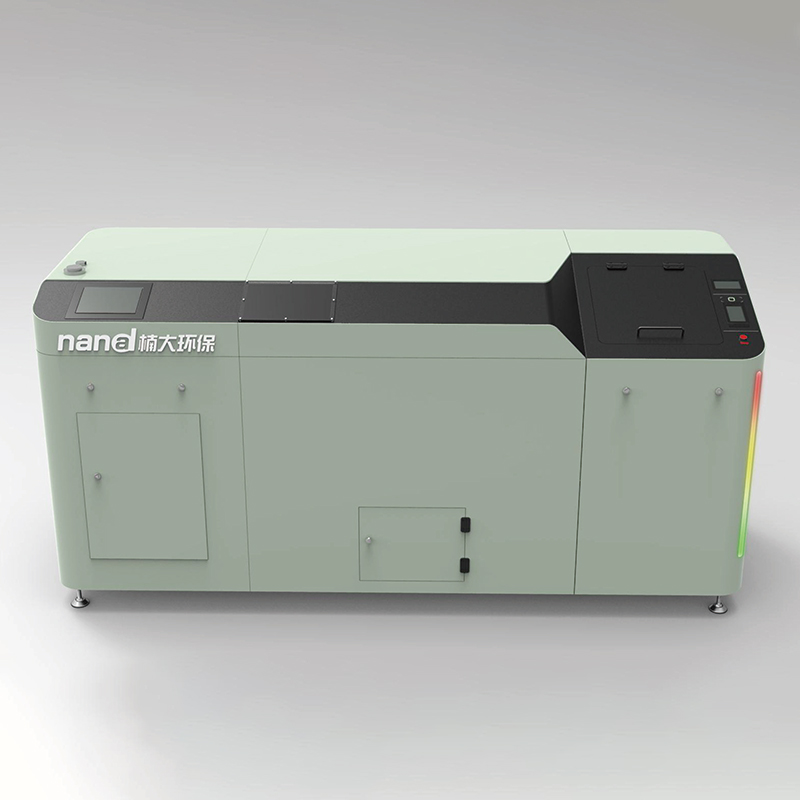 Nanda Trans Series-200
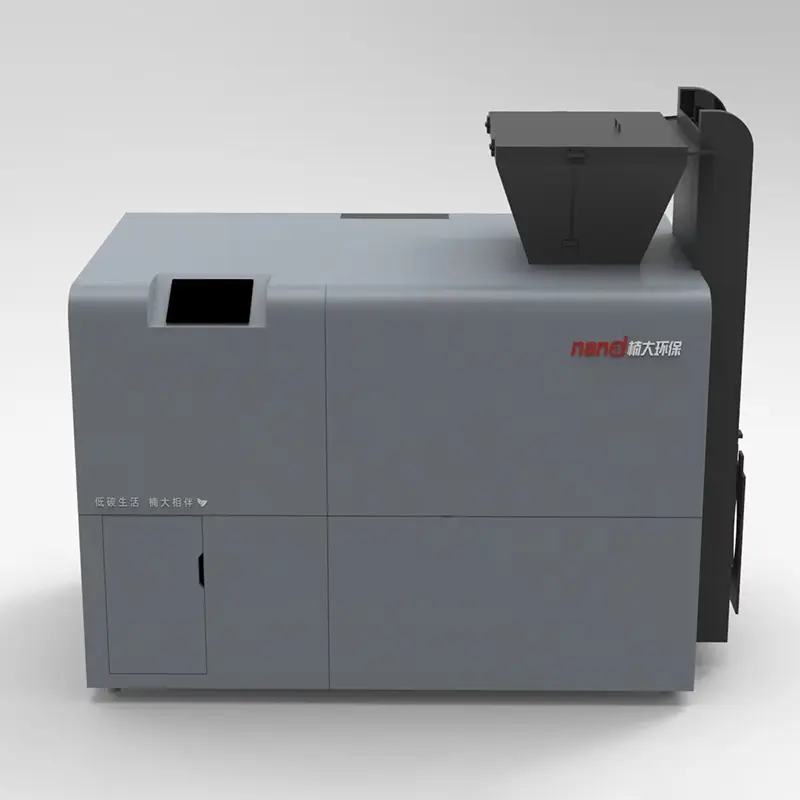 Nanda Trans Series-500
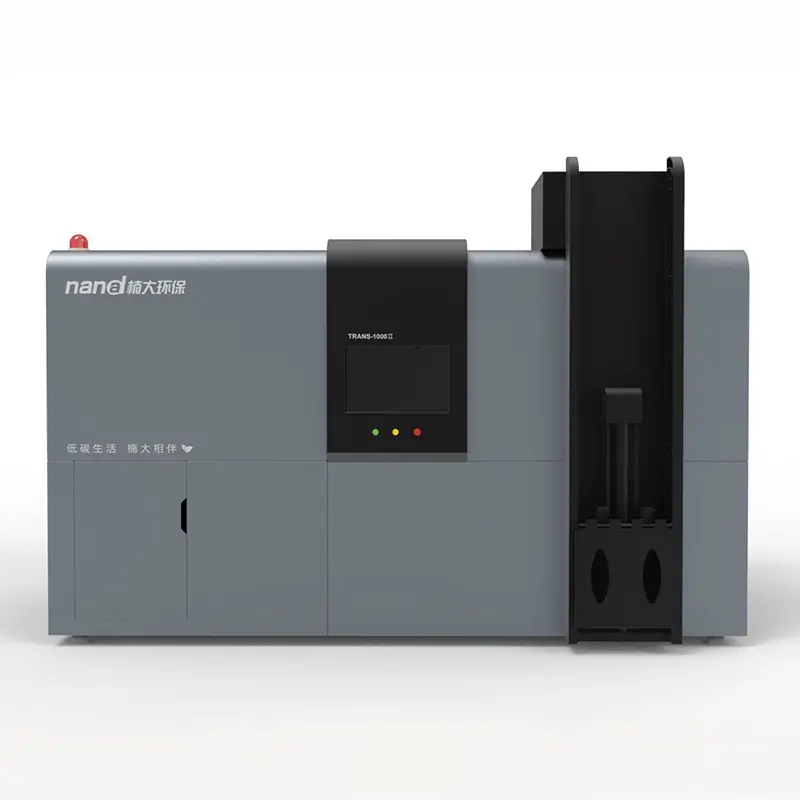 Nanda Trans Series-1000
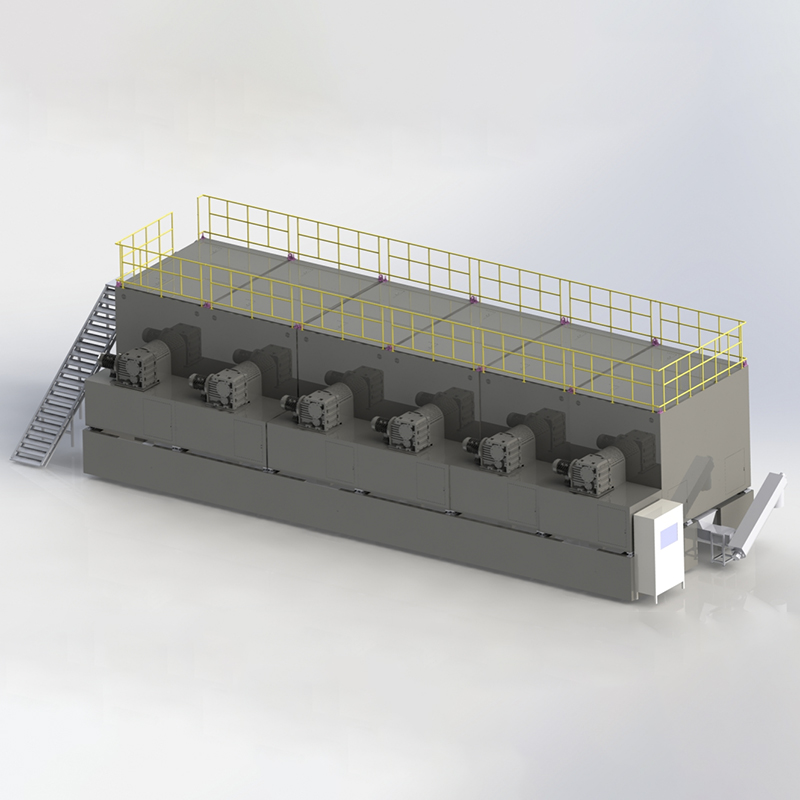 Nanda Trans Series-30000
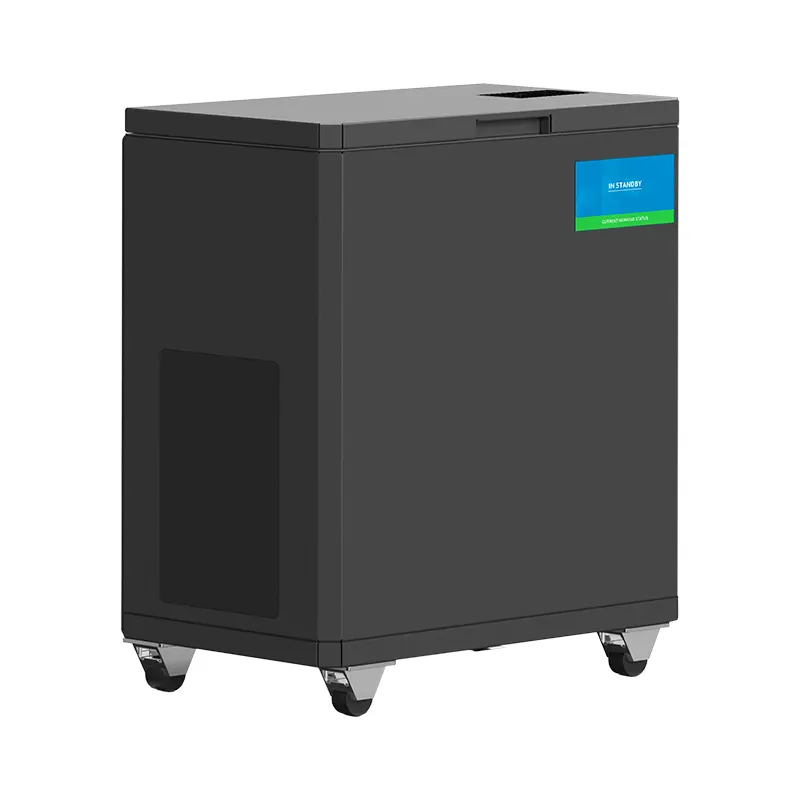 Nanda Thermax Series-100
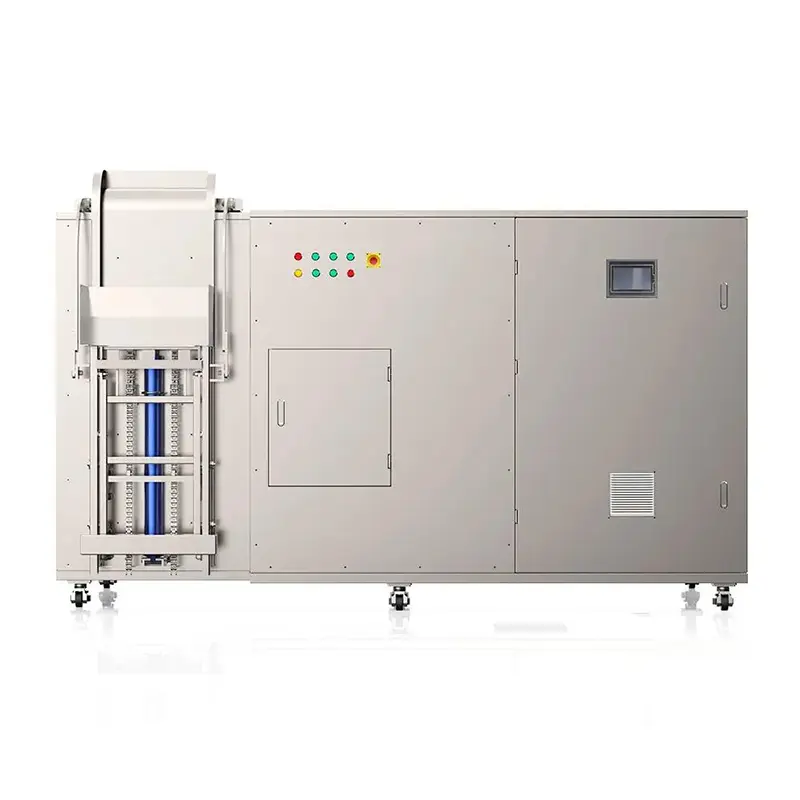 Nanda Thermax Series-200
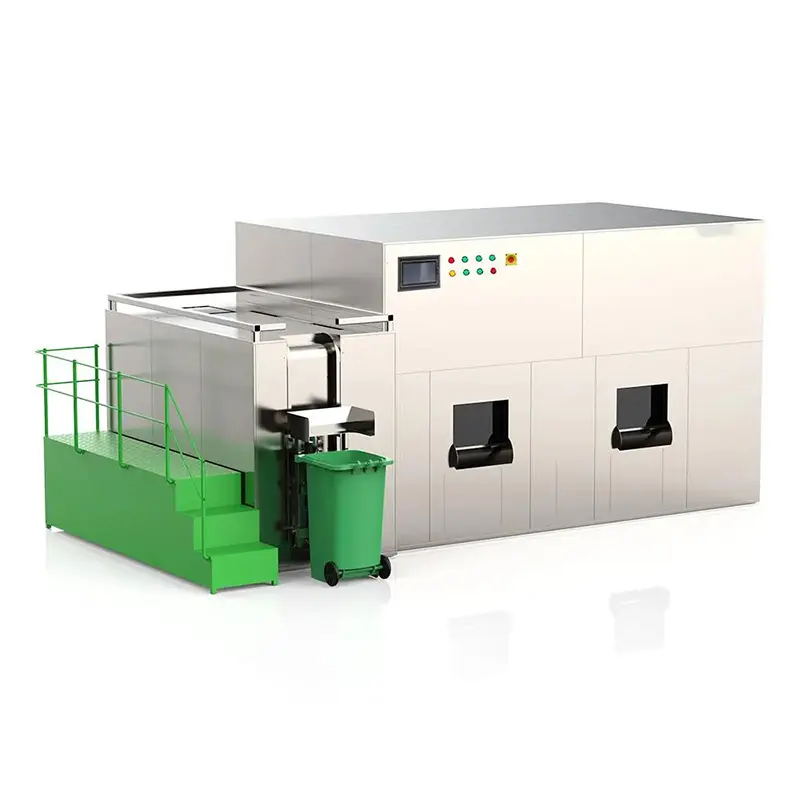 Nanda Thermax Series-2000
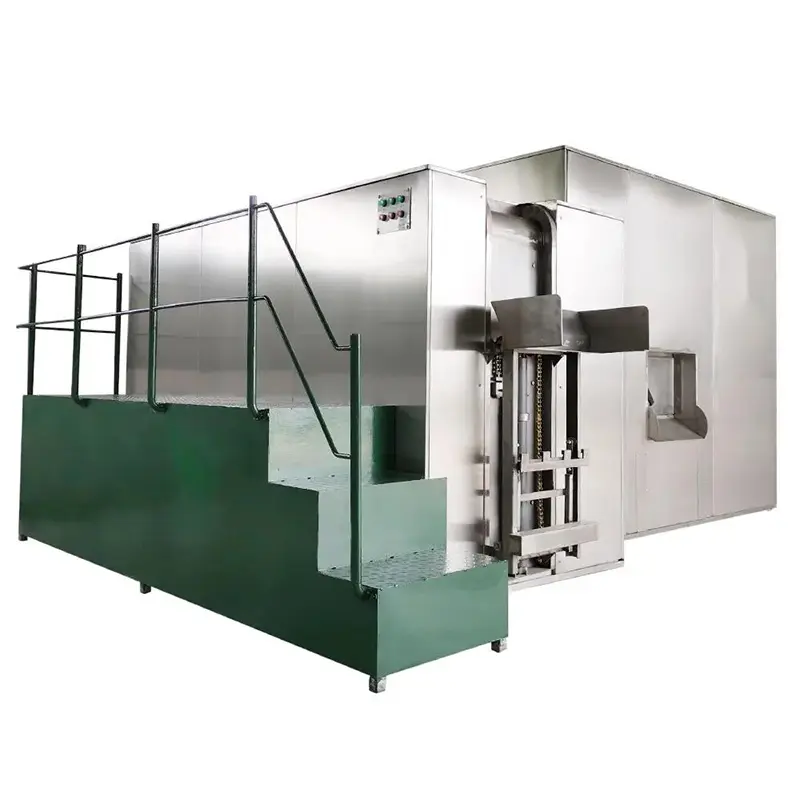 Nanda Thermax Series-10000
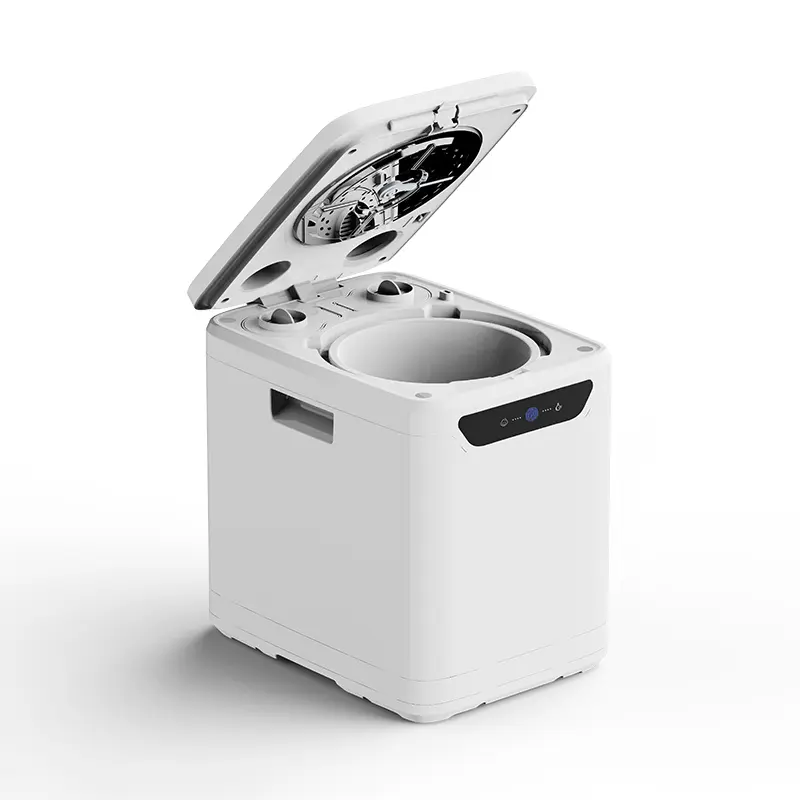 Nanda Turbo Series-3.5L-016
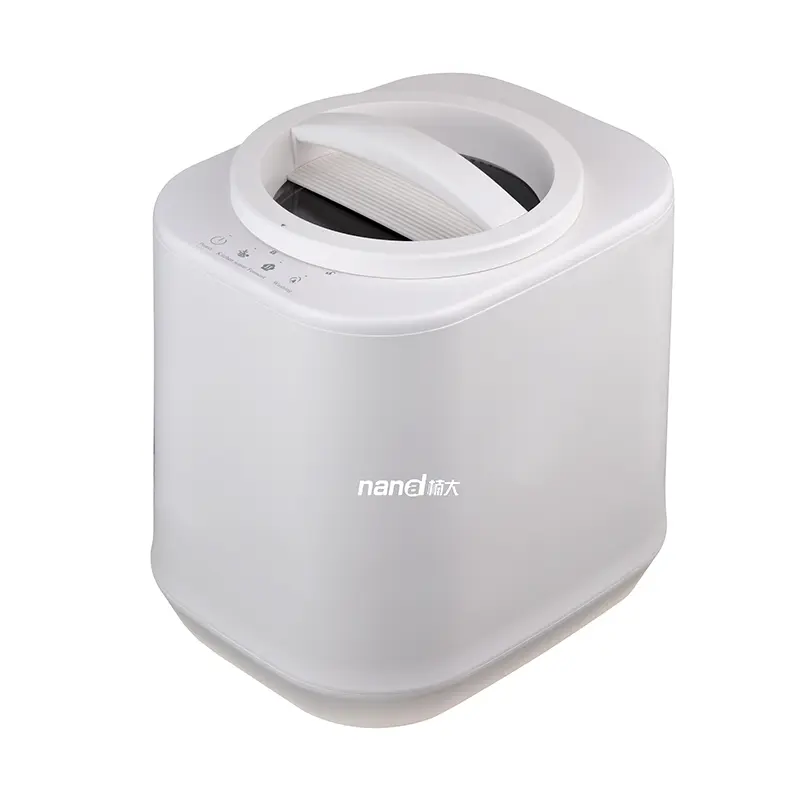 Nanda-Turbo Series-4L-011
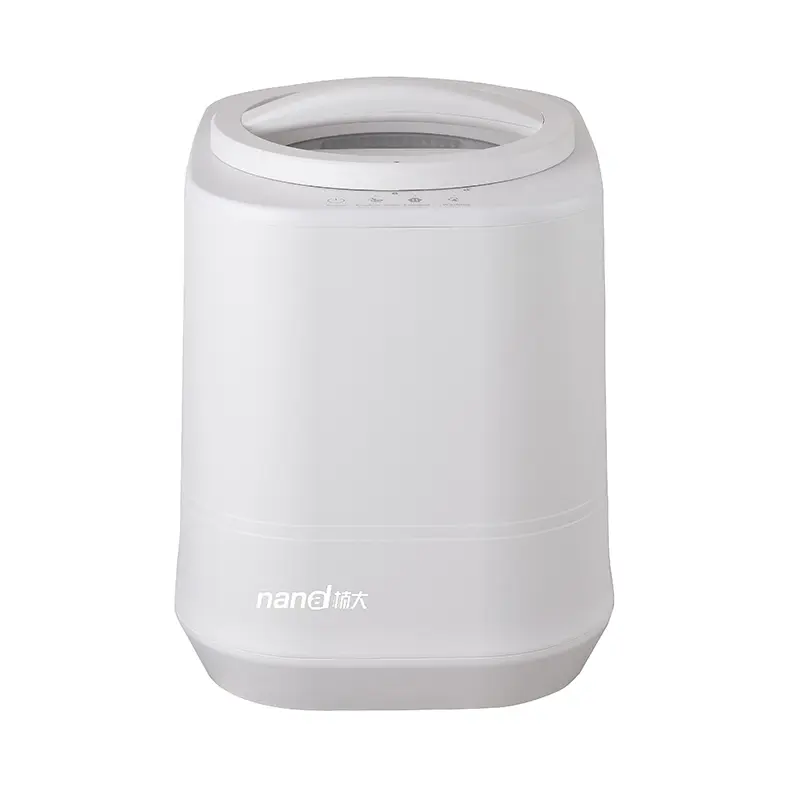 Nanda Turbo Series-4L-012
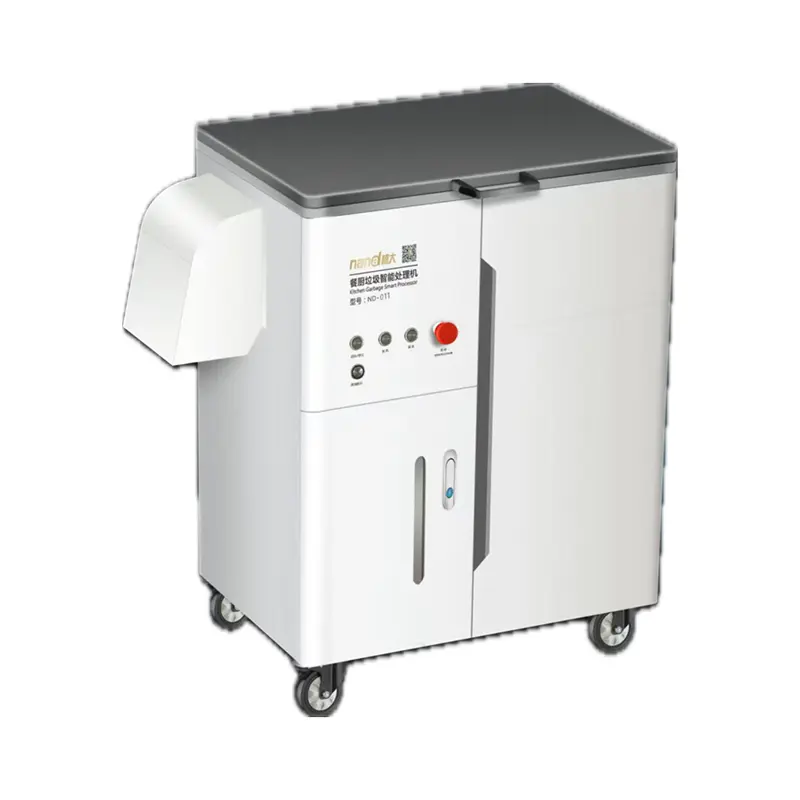 Oil-Water Separator