2026 How to Choose the Best Rotating Compost Bin for You?
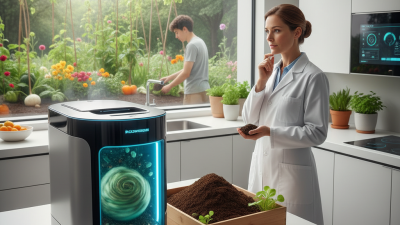
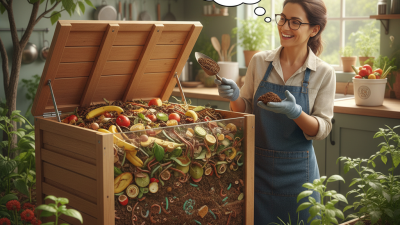
When selecting the ideal Rotating Compost Bin, it’s essential to consider both functionality and efficiency. Industry expert Dr. Emily Green, a leading voice in sustainable gardening, states, "A good compost bin transforms waste into something valuable." Her insight highlights the importance of choosing the right bin for your needs.
Rotating Compost Bins can streamline the composting process significantly. They allow for easy mixing and aeration, which is crucial for effective decomposition. However, not all models offer the same features. The size, material, and design can greatly impact the composting experience. Some users might overlook these important factors, leading to less effective composting.
If you’re new to composting, choosing a Rotating Compost Bin can seem daunting. It’s easy to make a hasty decision based on price alone. Instead, take the time to research thoroughly. Check reviews and expert recommendations. A poorly chosen bin can lead to frustration rather than the anticipated gardening success.
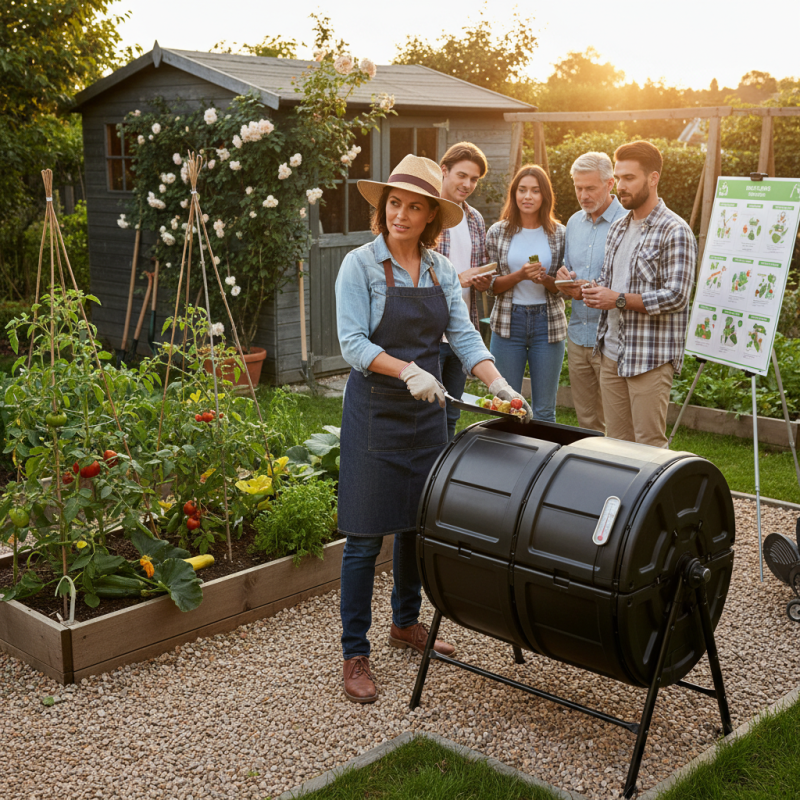
Understanding the Benefits of Using a Rotating Compost Bin
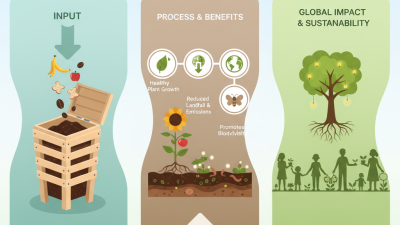
Using a rotating compost bin offers numerous benefits for gardeners and environmentally conscious individuals. Research shows that composting reduces organic waste in landfills by 30%, significantly lowering greenhouse gas emissions. A rotating compost bin accelerates the composting process, creating nutrient-rich soil in as little as four to six weeks, compared to traditional methods, which can take months.
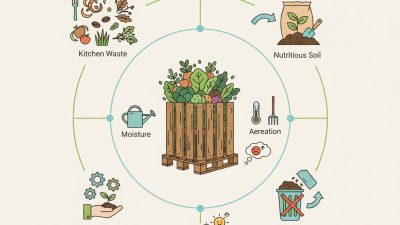
The ease of use is another advantage. With the ability to easily mix and aerate compost materials, users can achieve optimal decomposition. A compost bin that can be rotated encourages aerobic decomposition, promoting the growth of beneficial microorganisms. These microorganisms play a critical role in breaking down organic matter and producing high-quality compost.
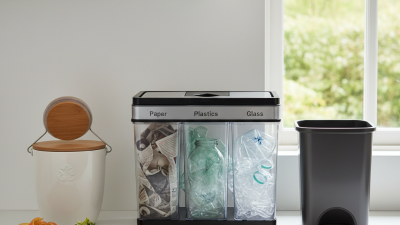
**Tips:** Regularly monitor the moisture level in your compost bin. It should feel like a damp sponge. Avoid overloading the bin. A balanced mix of green and brown materials is essential for effective composting. Keep a kitchen scraps container handy. This encourages a steady flow of organic materials for your compost.
While rotating compost bins offer many advantages, they can require some effort. Not everyone finds the rotation mechanism easy to use. Some may struggle with ensuring a proper mix of materials. Nonetheless, the environmental impact and benefits to your garden make the challenge worthwhile.
Benefits of Using a Rotating Compost Bin
Key Features to Look for in a Rotating Compost Bin
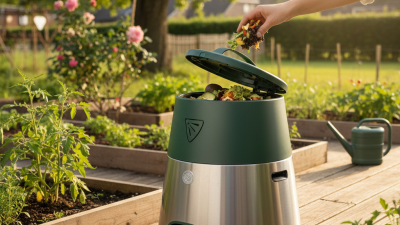
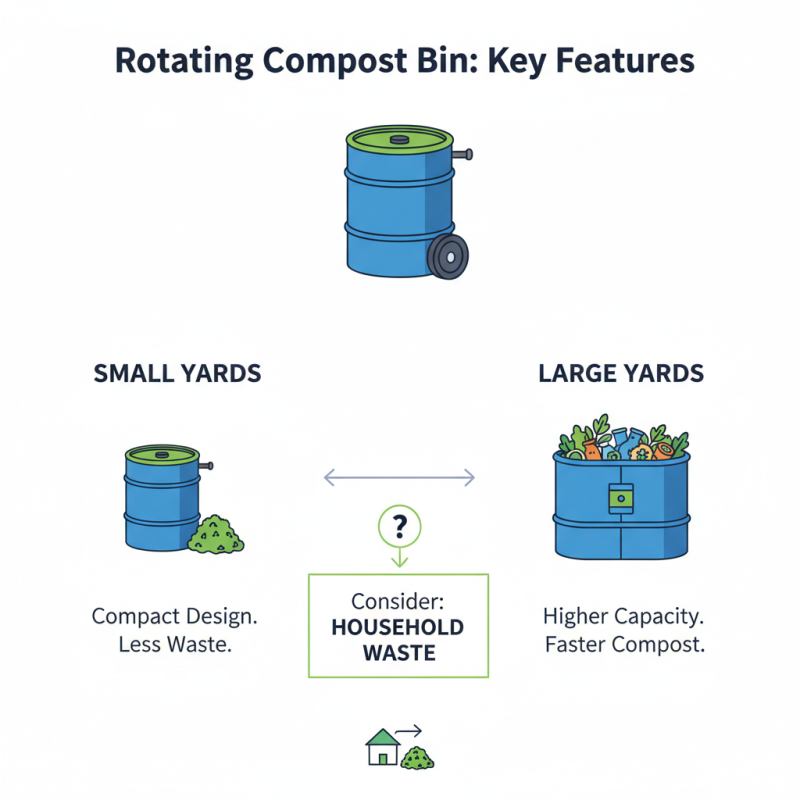
When selecting a rotating compost bin, consider its size. A compact design is useful for small yards. However, larger units can accommodate more material, accelerating the composting process. Think about the amount of waste your household generates. This will guide you in choosing the perfect size.
The aeration system is another critical feature. Good airflow helps in breaking down organic material. Some bins have built-in features for turning the compost easily. This added functionality can save time and energy. The quality of materials used in construction matters too. Durable, weather-resistant materials extend the bin’s life and maintain compost quality.
Check for ease of access. Openings should allow you to add materials and extract compost effortlessly. Additionally, a clear indication of the composting process helps you monitor its progress. Pay attention to the bin's design and aesthetics, as it will be part of your yard. A practical yet visually appealing bin makes composting more enjoyable.
Comparing Popular Rotating Compost Bin Models in 2026
When considering a rotating compost bin, several models stand out in 2026. Key differences include capacity, material, and ease of turning. Larger bins can handle more waste, but they may require more space.
Plastic bins are light and rust-resistant, while metal options offer durability. Evaluating these factors can help determine which model fits your needs.
Tips for choosing the right model include measuring your available space and understanding your composting goals. Are you composting kitchen scraps or yard waste? Know your volume needs. It's also wise to check for features like aeration vents or locking mechanisms. These can enhance efficiency and prevent odors.
Don't overlook reviews from actual users. They provide insight into performance. Consider how easy it is to turn the bin, especially if you have physical limitations. A bin that seems perfect on paper could be difficult in practice. Take time to reflect on these details before making a decision.
Maintenance Tips for Optimizing Your Composting Experience
Maintaining a compost bin is essential for efficient waste processing. Regularly turning your compost helps aerate the pile. This action speeds up decomposition. Ideally, aim to rotate every few days. The more you mix, the better the results. Over time, you’ll notice a rich, dark compost developing.
Moisture is another critical factor. Your compost should feel like a damp sponge. Too dry, and the decomposition slows down. Too wet, and your compost might smell foul. Striking that balance can take practice. Keep an eye on your materials. Add browns like leaves if it gets too wet, or water if it’s too dry.
Temperature also plays a key role. A hot compost will break down organic matter faster. Aim for a temperature range between 130°F and 160°F. Use a thermometer to track this. It might be hard to achieve initially. You might find yourself struggling with the right balance. Learning from each batch will improve your skills over time. It’s all part of the composting journey.
Evaluating Capacity Needs Based on Household Waste Production
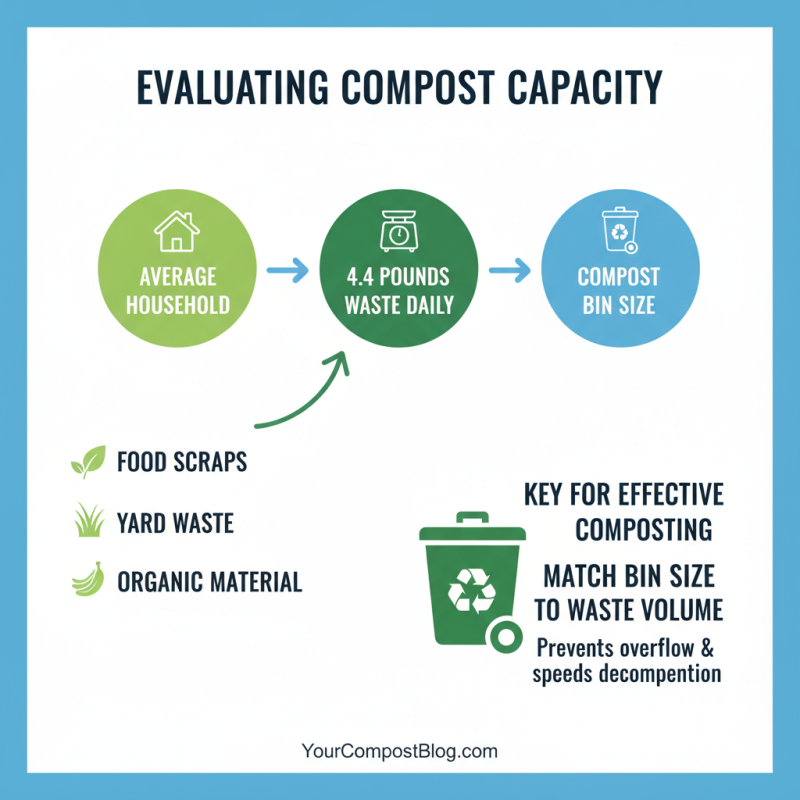
When choosing a rotating compost bin, evaluating your household's waste production is crucial. Research indicates that an average household generates about 4.4 pounds of waste daily. This includes food scraps, yard waste, and other organic material, which are excellent for composting. Understanding your daily waste helps determine the bin size you'll need for effective composting.
If your household produces about 30 pounds of organic waste weekly, a composter with a capacity of at least 80 gallons is recommended. However, using too large a bin can lead to challenges in turning and mixing compost efficiently. A smaller bin might require more frequent emptying. According to the USDA, nearly 30-40% of the food supply is wasted. Therefore, if you're committed to reducing waste, matching your compost bin's capacity to your family’s waste production is essential.
Keep in mind that personal habits can affect waste output. Reflecting on your consumption patterns is important. Do you buy more than you need? Do you frequently toss leftovers? These questions matter. An effective composting system starts with awareness. Proper adjustments can enhance your composting experience and lead to sustainable practices in waste management.

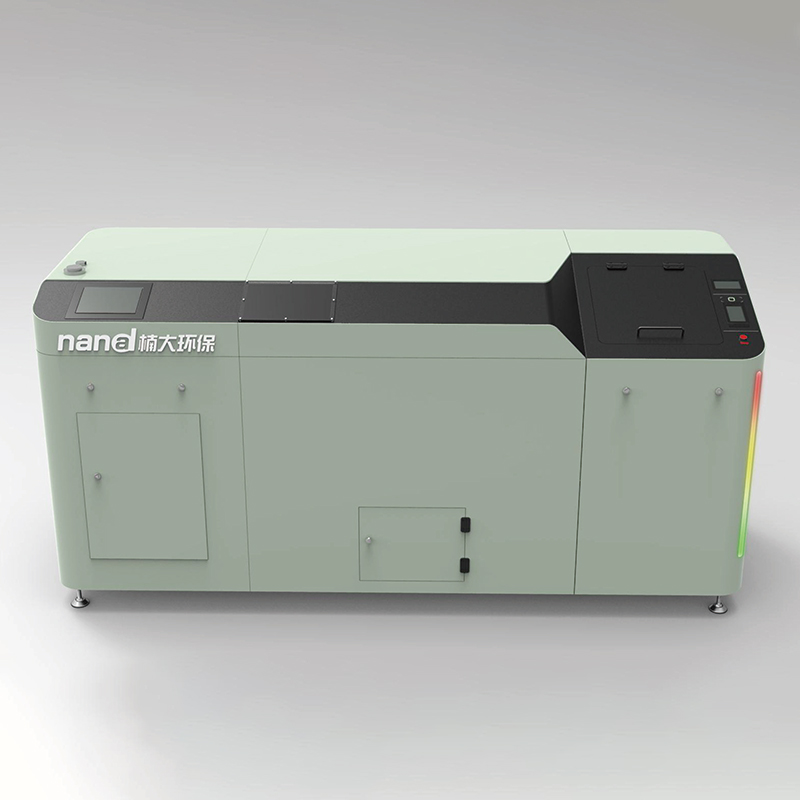 Nanda Trans Series-200
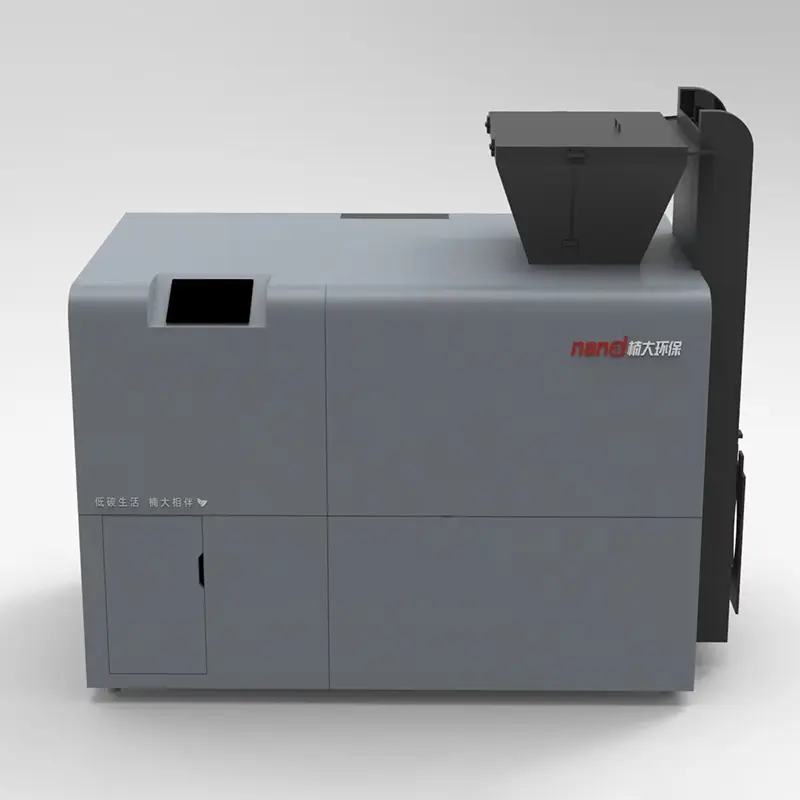 Nanda Trans Series-500
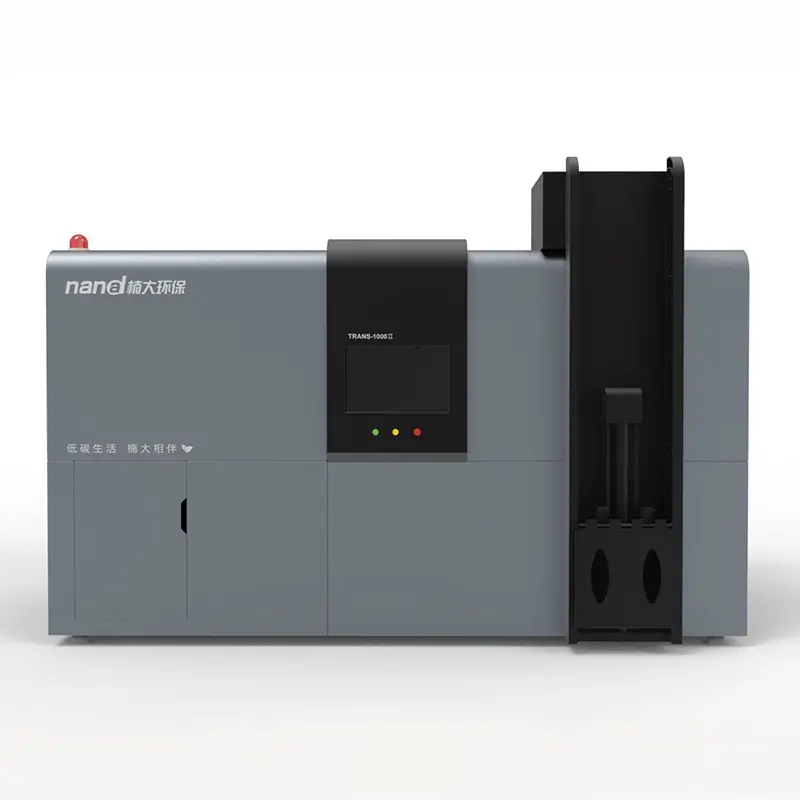 Nanda Trans Series-1000
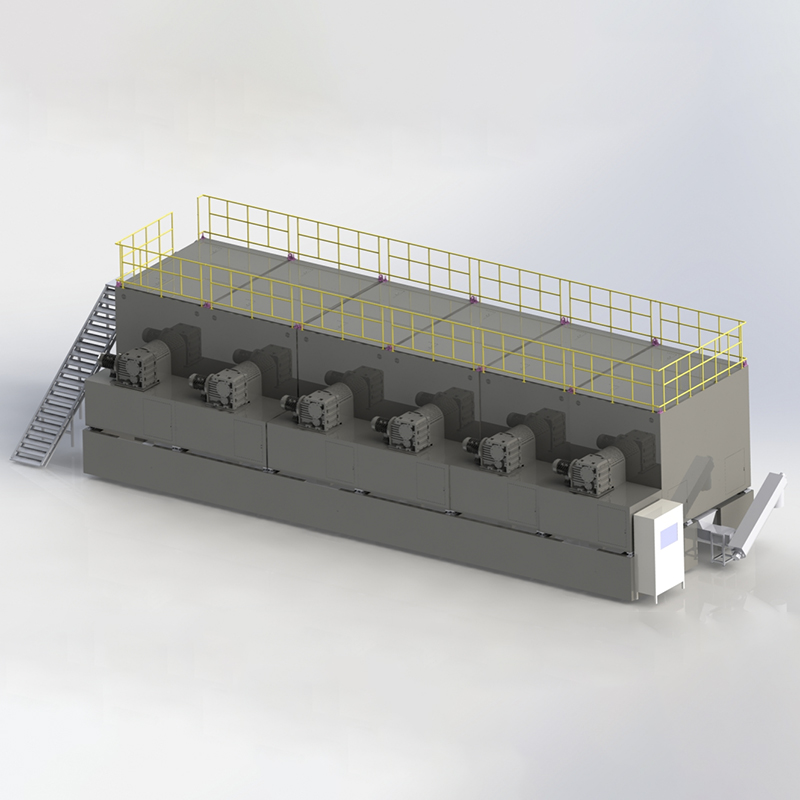 Nanda Trans Series-30000
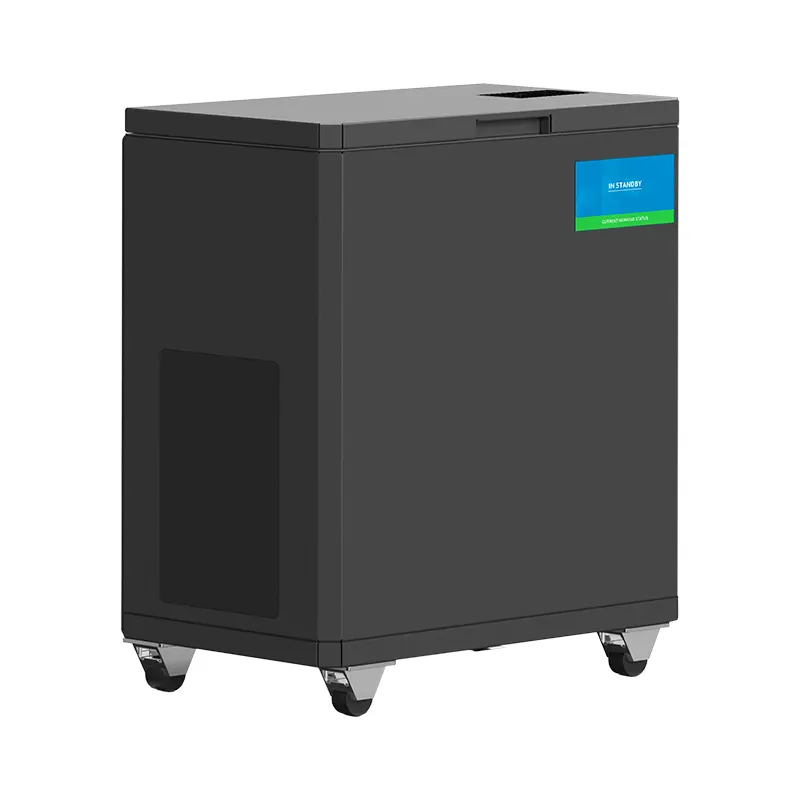 Nanda Thermax Series-100
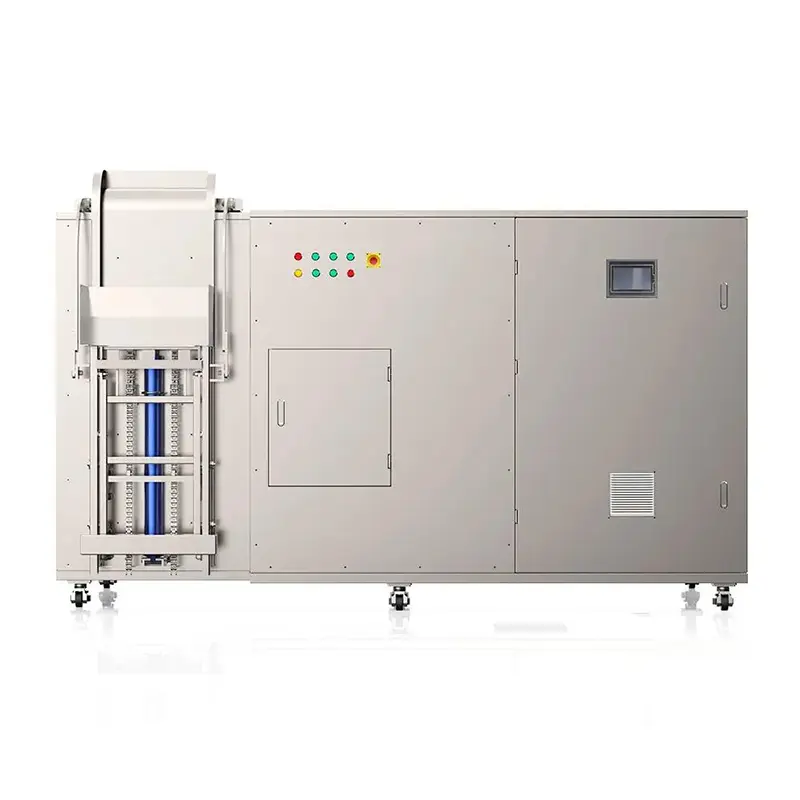 Nanda Thermax Series-200
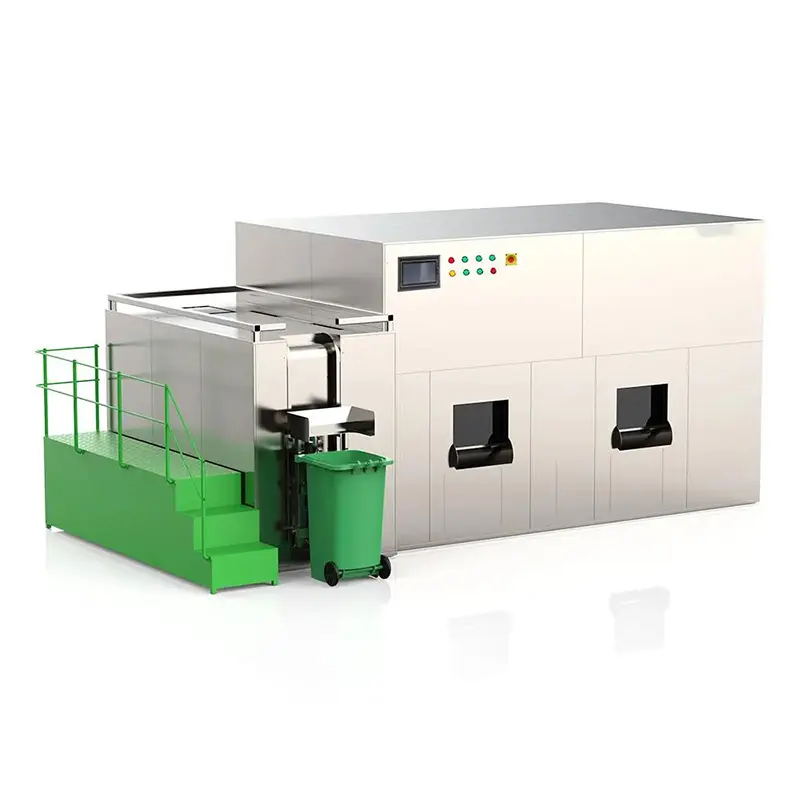 Nanda Thermax Series-2000
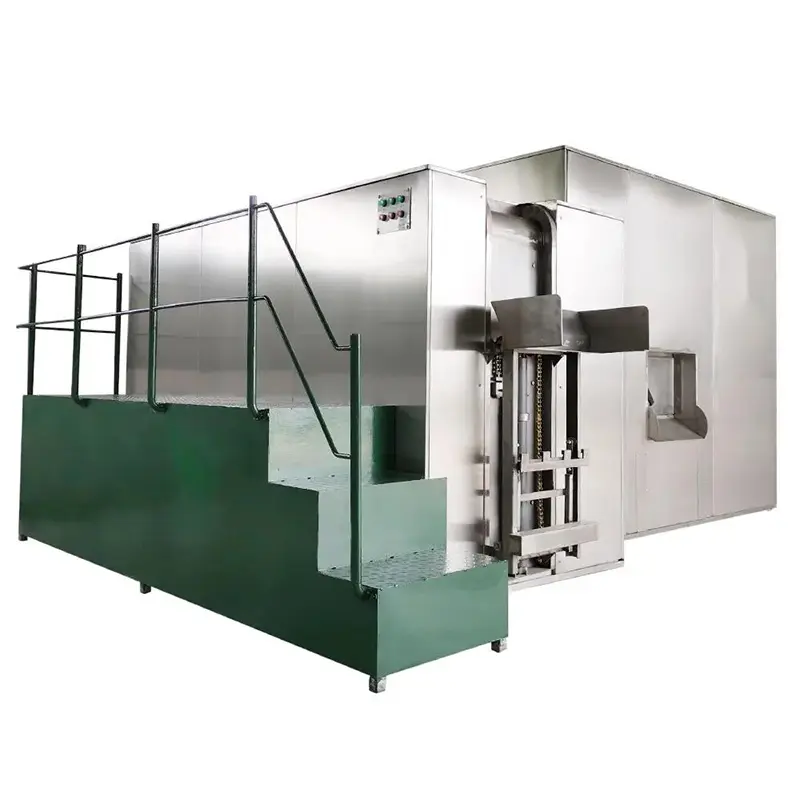 Nanda Thermax Series-10000
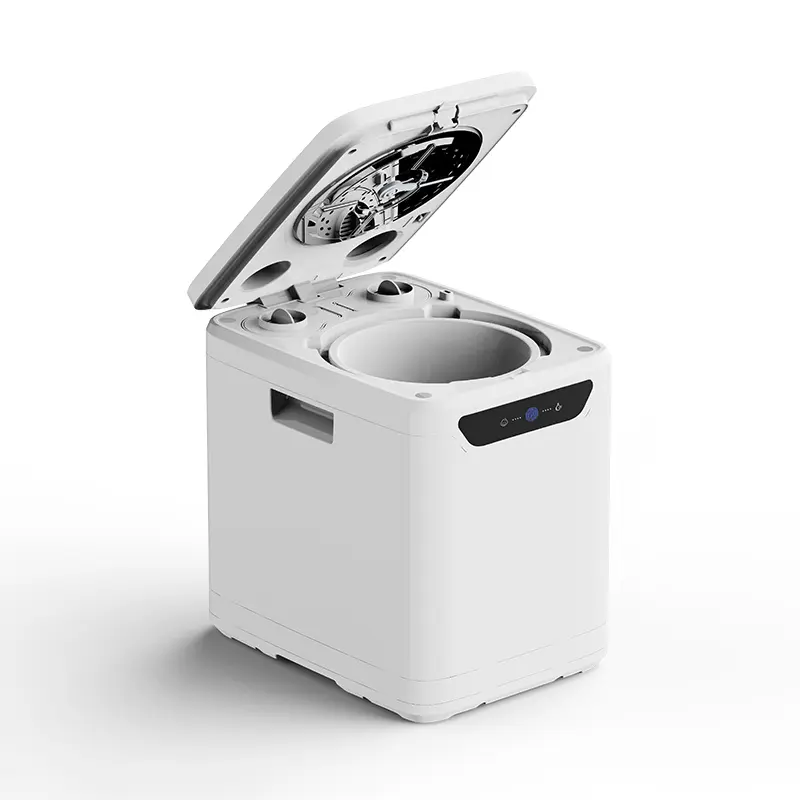 Nanda Turbo Series-3.5L-016
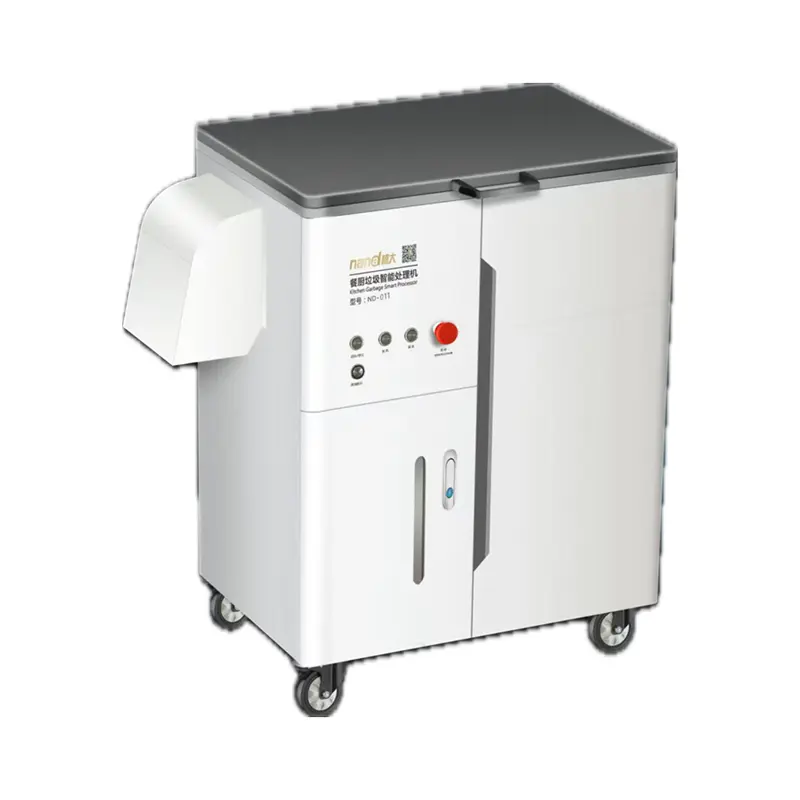
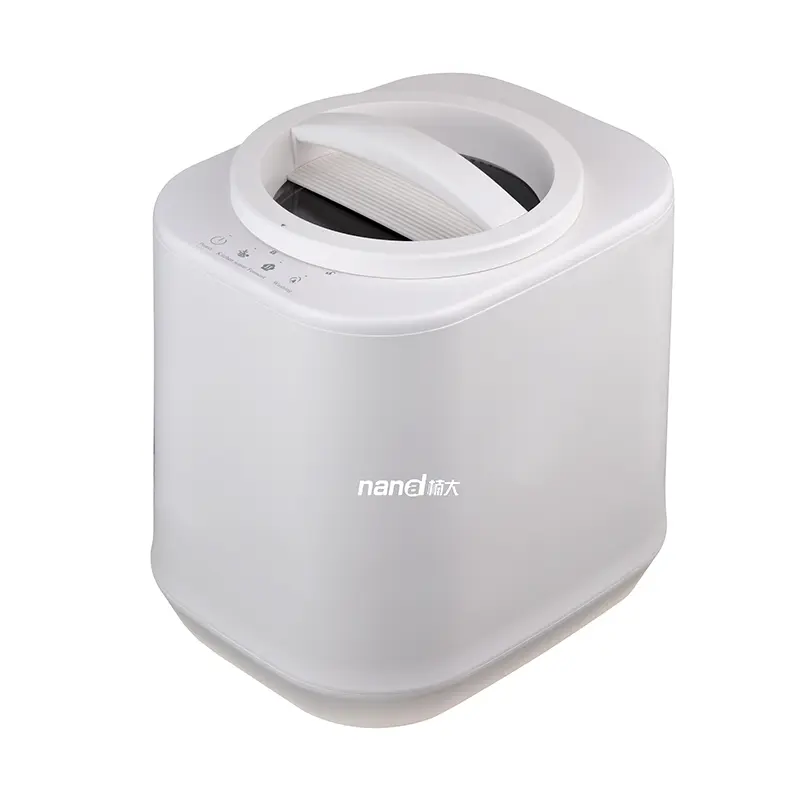 Nanda-Turbo Series-4L-011
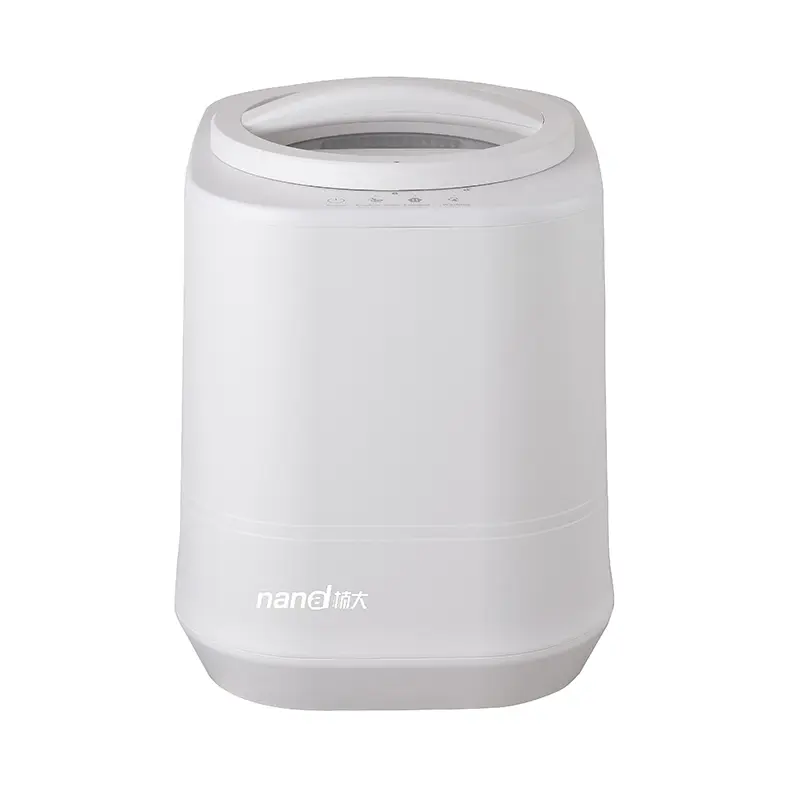 Nanda Turbo Series-4L-012
 Oil-Water Separator