What Is the 2026 Best Kitchen Waste Container? The answer depends on how a household cooks, cleans, and separates waste. A compact apartment may need a slim, odor-resistant bin beside the sink. A busy family may need a larger container with a secure lid, removable liner, and easy-to-clean interior. The best Kitchen Waste Container should control smells, prevent leaks, and make daily disposal feel simple rather than irritating.
Waste writer Elizabeth Royte has emphasized, “There is no such thing as away.” That idea matters here. A container does not eliminate waste. It only manages the messy moment between preparation and collection. In practical testing, details become important: a lid that closes quietly, a pedal that works with wet shoes, and a rim that does not trap onion skins. These small features often matter more than glossy design.
Not every premium model deserves its price. A stainless-steel body may resist stains, yet fingerprints can become annoying. A sensor lid may look advanced, but batteries can fail during a rushed cleanup. I would not choose one “perfect” container too quickly. Household habits change, and even careful evaluations can miss long-term problems. This guide compares capacity, odor control, durability, cleaning effort, liner compatibility, and real kitchen convenience. The strongest choice should fit your space and routine, not merely win a product advertisement.
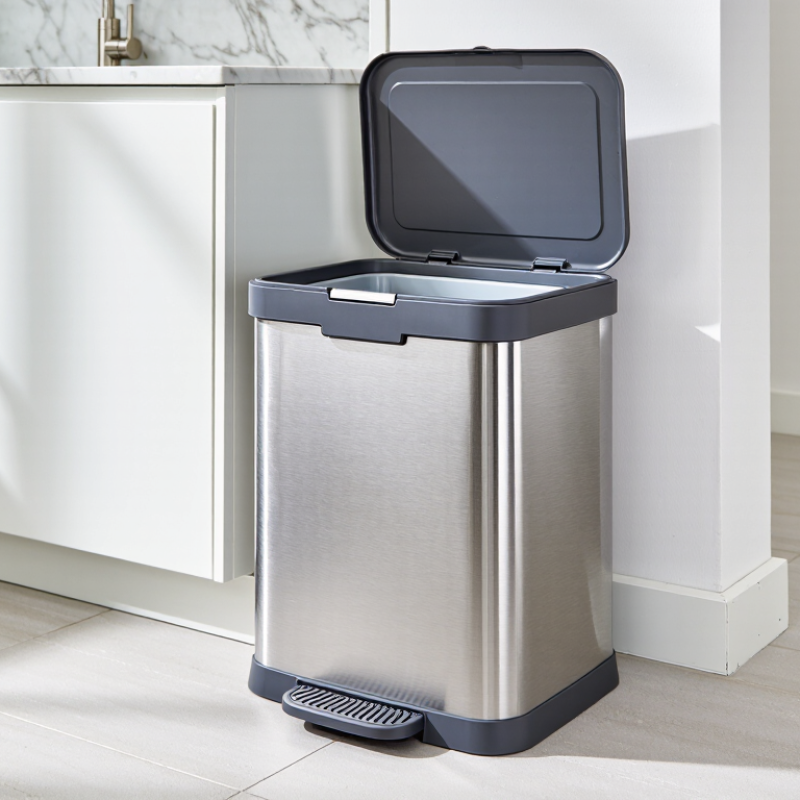
What defines the best kitchen waste container in 2026? It should solve ordinary problems without creating new ones. In practical kitchen use, the strongest design combines a suitable capacity, secure closure, and easy cleaning. A family may need a larger container, while a small apartment benefits from a compact model. Size must match the kitchen, not marketing claims.
Small details matter. A wide opening handles vegetable peels without spilling. A stable base prevents tipping on smooth floors. Hands-free operation is useful when preparing raw food, but the mechanism should remain simple. Removable inner parts make washing easier, especially around the lid and hinge. Odor control also matters, although no container can replace regular emptying and proper food storage. A quiet lid is helpful in open-plan homes. It is not essential for everyone.
Durability defines real value. Strong materials should resist stains, moisture, and repeated opening. The container should accept commonly available liners, reducing unnecessary waste and daily frustration. Safety deserves attention too, including rounded edges and a lid that closes reliably around children or pets. In my view, the best choice is not always the most expensive or technologically advanced. Some smart features sound impressive but fail after months of grease exposure. That is an uncomfortable limitation. Buyers should check cleaning access, replacement-part availability, and warranty information before deciding. A truly reliable kitchen waste container supports hygiene, saves space, and remains practical after the novelty disappears.
What Is the 2026 Best Kitchen Waste Container?
Key Features and Performance Standards to Consider
A strong kitchen waste container should fit your daily routine, not merely look attractive. Measure the cabinet space first, including the lid’s opening path. A 20–40 litre capacity suits many households, while larger families may need more. The container should remain stable when filled with heavy food scraps. A wide opening helps with vegetable peels and prevents messy contact with the rim.
Odor control depends on more than a tight lid. Look for a replaceable sealing gasket, smooth inner surfaces, and a removable bucket that can be washed thoroughly. In my experience, tiny grooves trap liquid and create smells within days. That design is easy to overlook. A reliable foot pedal should open the lid without hand contact and withstand repeated use. It should also close quietly, without slamming against nearby cabinets.
Performance standards should include corrosion resistance, leak protection, and safe handling of sharp can edges. For sensor models, check electrical safety certification, battery access, and reliable operation near steam. Motion sensors can be convenient, but they may open unnecessarily in narrow kitchens. That wastes power. Materials should resist staining and tolerate ordinary household cleaning products. Test the lid seal with a light pull, inspect the hinges, and confirm that replacement liners fit securely. Small details matter. The best choice is not always the largest or most automated container; it is the one that stays clean, stable, quiet, and usable after months of real kitchen work.
| Feature | Practical Performance Benchmark | Why It Matters | How to Check |
|---|---|---|---|
| Capacity | Choose a size that suits household use: about 5–8 gallons for many small kitchens, or 10–13 gallons for higher-volume use. | A suitably sized container helps limit overflow without taking up unnecessary floor or cabinet space. | Compare the stated capacity with the volume of your usual liner and the space available where the container will sit. |
| Lid and opening | The lid should close fully after repeated everyday use. A hands-free pedal or a wide, easy-to-use opening can improve convenience. | A well-fitting lid helps contain visible waste and reduces exposure to kitchen odors. | Open and close the lid several times; check that it returns smoothly and does not remain ajar. |
| Odor control | Look for a close-fitting lid and a design with few gaps around the rim. No ordinary container can eliminate odors from spoiled waste. | Good closure can help limit odor escape, while regular emptying and cleaning remain important. | Inspect the lid-to-body fit and check whether the lid or rim is easy to clean where residue may collect. |
| Leak resistance | A removable, washable inner bucket is useful; the waste-holding area should have no visible seams or openings that could let liquid escape. | Food scraps can release liquid, which may cause mess and odors if it reaches the floor or cabinet. | Check the inner bucket and base for cracks, gaps, or hard-to-reach corners. Follow the maker’s care instructions before testing with liquid. |
| Cleaning and maintenance | Smooth interior surfaces and removable parts make routine washing easier. Parts should be accessible without special tools. | Regular cleaning helps prevent residue buildup and lingering smells. | Confirm that the liner area, lid underside, and inner bucket can be reached and cleaned with ordinary household supplies. |
| Durability | Look for sturdy construction, stable hinges, and a base that remains steady during normal opening and closing. | Frequently handled parts such as pedals, hinges, and lids are common points of wear. | Check for wobble, sharp edges, loose fittings, or flexing under light everyday pressure; review the care and warranty terms. |
| Foot-pedal operation | If included, the pedal should open the lid without excessive force and return reliably when released. | Hands-free operation is convenient while preparing food, but a poorly working pedal can make the container frustrating to use. | Test the pedal repeatedly from a normal standing position and confirm the lid closes without slamming or sticking. |
| Liner compatibility | The liner should fit securely around the rim without slipping into the container; standard or custom liners may be suitable depending on the design. | A good fit makes removal cleaner and helps prevent the bag from falling inside when filled. | Check the specified liner dimensions or try a compatible liner, including any compostable liner you plan to use. |
| Space and stability | Measure the container’s width, depth, and height, including clearance needed for the lid to open fully. | A container that fits its location and stays upright is easier and safer to use. | Measure the intended spot and check that doors, drawers, and walkways remain unobstructed. |
| Sorting and local rules | For food-scrap collection, use a clearly separated container or compartment only if it suits your local collection program. | Accepted food scraps, liners, and collection methods differ by municipality and composting service. | Check local waste-collection guidance before placing food scraps or compostable liners in a collection bin. |
Buying note: These are practical comparison benchmarks, not universal legal or certification requirements. The best choice depends on kitchen space, household waste volume, cleaning habits, and local collection rules.
The best kitchen waste container depends on waste volume, cleaning habits, and available floor space. Open bins are inexpensive and easy to empty. However, exposed food scraps can create odors and attract insects. Lidded pedal bins provide better hygiene because hands remain free during cooking. Their seals can trap moisture, though. That detail is often missed.
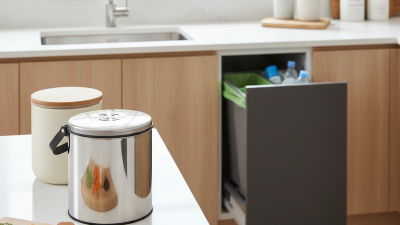
Pull-out containers suit compact kitchens and keep waste hidden inside a cabinet. They usually need accurate installation and regular drawer cleaning. Compost caddies are smaller, but they work well for separating vegetable peels and coffee grounds. A ventilated design may reduce condensation. It cannot prevent odors when scraps remain for several days.
A 2024 UNEP Food Waste Index report estimated 1.05 billion tonnes of food waste in 2022. Households created about 60% of that total. This makes capacity and separation more important than appearance alone.
For a two-person kitchen, a 10-to-20-liter lidded container may be practical. Larger households may need 30 liters or more, especially when recycling is separated. The U.S. Environmental Protection Agency identifies food as a major component of landfilled municipal waste, supporting better source separation.
Measure the cabinet first. Leave space around the lid and liner. A washable inner bucket improves long-term reliability. In a small kitchen, a pull-out model may win. In a busy family kitchen, a pedal container with separate compartments may perform better.
My initial assumption was that larger capacity always helped. It did not. Bigger containers encouraged longer storage and stronger smells. Performance still depends on emptying frequency.
What Is the 2026 Best Kitchen Waste Container?
Capacity should match real cooking habits, not a manufacturer’s optimistic estimate. For a two-person home, a 5–8 liter container usually handles daily scraps without prolonged storage. Larger households may need 12–20 liters. The 2024 UNEP Food Waste Index reports that households generated 60% of global food waste in 2022. That figure makes practical kitchen storage more important. I prefer a removable inner bucket, because spilled broth and vegetable skins quickly expose poor sizing.
Hygiene depends on surfaces and handling. Smooth, non-porous interiors are easier to wash than textured plastic. A tight lid helps, but it cannot replace frequent cleaning. The U.S. Environmental Protection Agency’s 2018 waste report identified food as about 24% of municipal solid waste sent to landfills. Keeping wet scraps contained may reduce leakage, flies, and unpleasant kitchen contact. Small is not always better. A narrow opening can prevent hands from touching waste, yet it may reject bulky peels and packaging.
Odor control needs more than a seal. Ventilation can reduce trapped moisture, while charcoal filters may help with short-term smells. However, damp coffee grounds or meat scraps still demand prompt removal. Odor reveals design flaws. In my own use, containers advertised as “odor-free” still needed washing every few days. That claim deserves skepticism. The best evaluation combines a realistic capacity test, lid inspection, cleaning time, and a one-week odor trial.
How to evaluate capacity, hygiene, and odor control
This neutral benchmark compares common household container capacities using a 10-point evaluation scale. Capacity reflects usable volume, hygiene considers touch-free operation and ease of cleaning, and odor control reflects lid sealing, liner coverage, and the ability to limit air exchange. A balanced 10–20 L container is generally the most practical choice for everyday kitchen use when waste is removed regularly.
In 2026, the best kitchen waste container is not necessarily the largest or most expensive. It is the one that fits your routine, floor space, and local collection system. A household cooking daily may need 30 to 50 liters, while a smaller apartment may work better with 15 to 25 liters. Measure the cabinet opening before shopping. I once underestimated hinge clearance. The lid became frustrating.
Odor control depends on more than a tight lid. Choose a removable inner bucket, smooth seams, and washable surfaces. A foot pedal keeps hands cleaner when preparing raw vegetables or handling sticky packaging. Motion sensors can feel convenient, but batteries add another maintenance task. For mixed waste, a wide opening reduces spills. For food scraps, a smaller ventilated caddy may be easier to empty frequently. Keep wet waste in a sealed liner only when your local program permits it. Collection rules vary, so verify accepted materials before changing your system.
Think about who uses the container. Children, older adults, and people with limited grip strength may need a light pedal and gentle lid. Test the opening height and bucket weight in a store if possible. A slim container can save walking space, yet it may fill quickly during meal preparation. That trade-off matters. Do not ignore cleaning. If the inner bucket is awkward to remove, odors and residue can build up. On busy evenings, an easy-to-remove bucket often matters more than a polished finish.