Best Cooked Food Composter for Sustainable Waste Management?
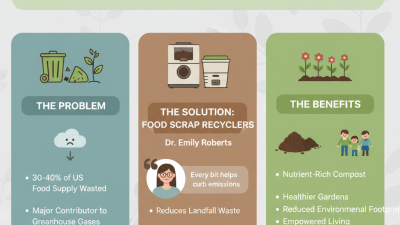
In the age of sustainability, the need for effective waste management solutions has never been more pressing. The importance of a Cooked Food Composter emerges as a vital tool for households aiming to reduce their environmental footprint. Expert Dr. Emily Chen, a leading figure in the field, emphasizes, "Utilizing a cooked food composter can transform waste into valuable resources." Her insights highlight the potential of composting to address food waste issues.
Cooked food waste poses unique challenges due to its nutritional content and high moisture levels. Many traditional composters struggle with this type of waste. However, innovative designs in the Cooked Food Composter industry provide solutions tailored to this specific need. These systems often feature advanced aeration techniques and specialized microbes, ensuring efficient breakdown.
Choosing the best Cooked Food Composter requires careful consideration. Potential users should examine their specific needs, space, and waste volume. Not all products deliver the promised results. It’s essential to reflect on factors like odor control and processing time. While composting can be straightforward, it may not be perfect. Users must remain engaged and adaptable, learning from their experiences to enhance their waste management efforts.
Best Cooked Food Composter for Sustainable Waste Management
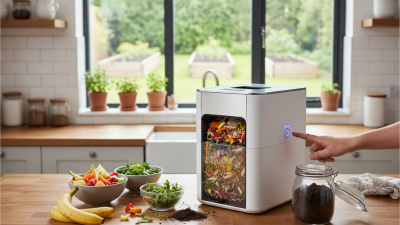
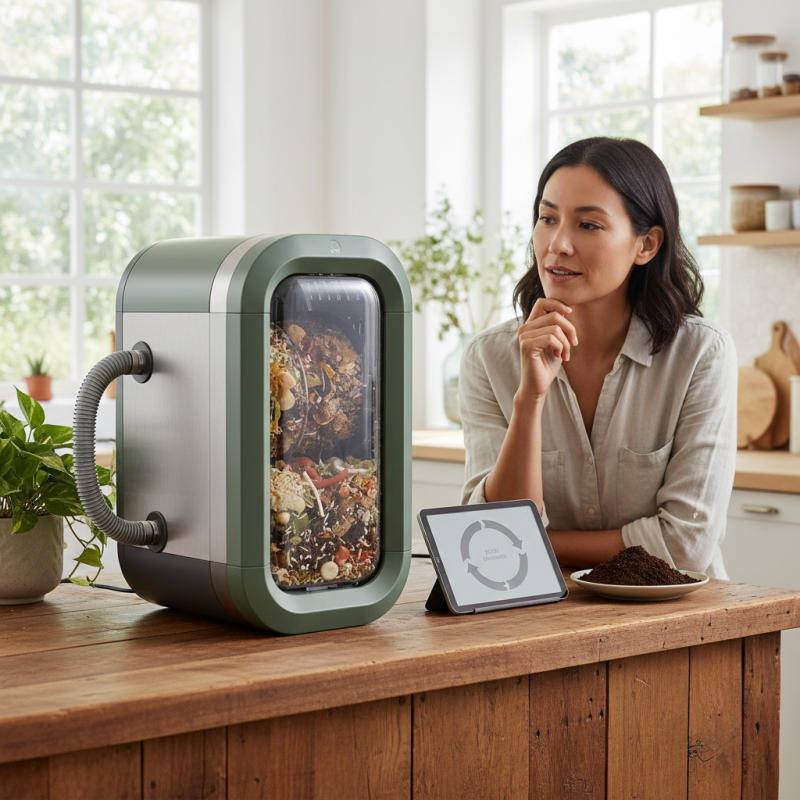
When it comes to managing food waste, cooked food composters are essential. They transform scraps from meals into valuable compost. This process not only reduces landfill waste but also enriches soil for gardening.
Using a composter allows you to recycle leftover pasta, vegetables, and even grains. However, not all cooked food is suitable. Dairy and oils can attract pests and complicate the composting process. Choosing the right items to compost requires careful planning. It’s important to balance your inputs, mixing cooked food with dry materials like leaves or cardboard.
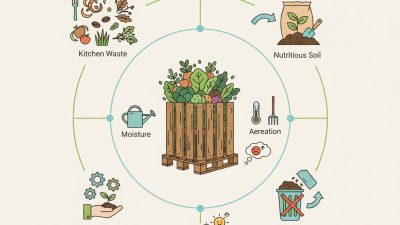
Many face challenges while composting cooked food. The smell can be an issue if not managed properly. Some may find it difficult to maintain the right conditions. Regular aeration and monitoring moisture levels are key. Experimenting with different materials can yield better results. Overall, using a cooked food composter thoughtfully can significantly impact sustainable waste management.
Types of Cooked Food Composters: An Overview of Available Options
When considering composting cooked food, understanding the types of composters available is crucial. Various options cater to different needs and preferences. A traditional compost bin is a classic choice. It works well for organic waste but may struggle with meat and dairy, as they can attract pests.
Another alternative is an indoor composting system. These can handle cooked food and sometimes even odor issues. According to a study by the EPA, diverting food waste through composting can reduce greenhouse gas emissions significantly. This makes a compelling case for utilizing home composters specifically designed for cooked food waste.
Tips: Start with smaller batches of waste to ease into the composting process. Monitor the carbon-to-nitrogen ratio, a key factor for efficient composting. Remember, not all compost systems are foolproof. Some may require more attention and maintenance than expected, prompting reflection on their efficiency.
Key Features to Look For in Cooked Food Composters
When choosing a cooked food composter, several key features stand out. A good composter should effectively process a variety of cooked foods, including grains, vegetables, and proteins. Data from recent industry reports reveal that over 30% of food waste is cooked or prepared food. This emphasizes the need for efficient composting solutions.
Look for composters with a fast breakdown time. Ideal units can decompose organic matter in as little as three weeks. Durability is another vital factor. High-quality materials can withstand heat and humidity, which are common in kitchen settings. Additionally, user-friendly designs make composting easier. Some models can reduce odors and deter pests, enhancing the composting experience.
Consider the size and capacity of the composter. Larger households may require units with greater processing capabilities. If you produce significant waste, a composter that can handle at least 10 pounds per week is essential. An important aspect is the ability to monitor the internal environment. Some advanced models include sensors for moisture and temperature, helping achieve optimal decomposition conditions. The right choice combines practicality with sustainability.
Impact of Cooked Food Composting on Landfill Waste Reduction
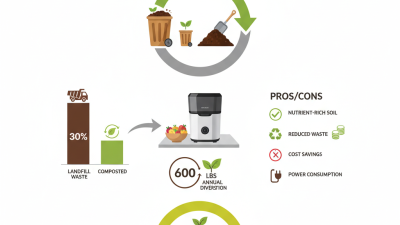
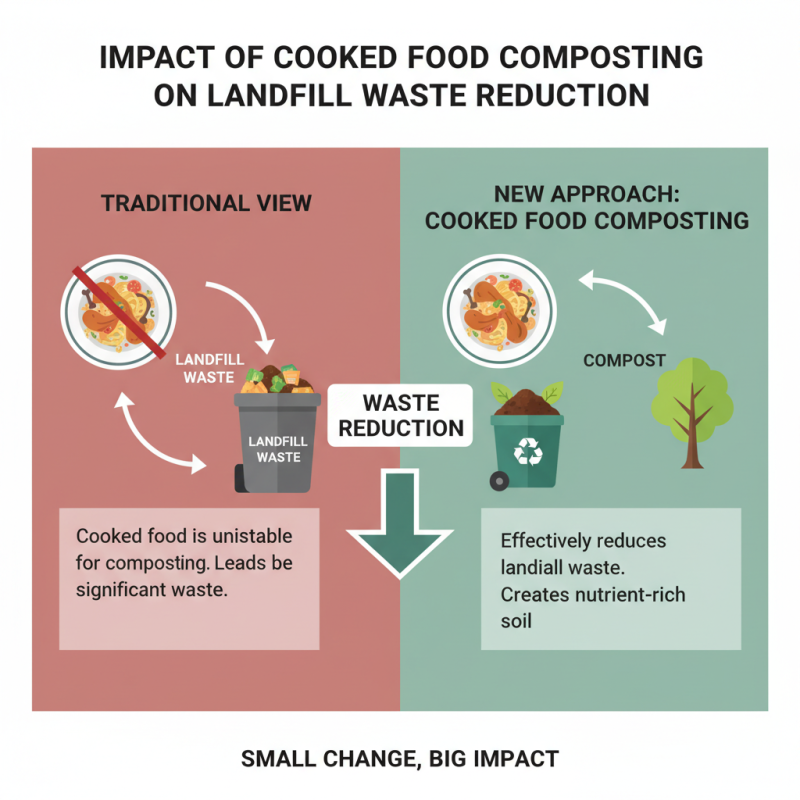
Cooked food composting plays a vital role in reducing landfill waste. Typically, cooked food is deemed unsuitable for traditional composting. This misconception leads to a significant percentage of food waste ending up in landfills. By composting cooked food, we can address this issue effectively.
When cooked food decomposes in landfills, it generates methane, a potent greenhouse gas. This gas contributes to climate change, creating a pressing environmental concern. Composting, however, transforms the food into nutrient-rich soil rather than toxic emissions. The composting process can enrich local gardens and reduce reliance on chemical fertilizers.
Implementing a cooked food composting system requires adjustments and effort. There are challenges in avoiding contamination from inedible materials. Education on proper composting practices is essential for success. Communities must share knowledge to foster sustainable waste management. Small steps, like separating food scraps, can lead to significant changes in waste reduction efforts.
Comparative Analysis: Efficiency of Top Cooked Food Composters on the Market
When it comes to composting cooked food, efficiency is key. Not all composters handle cooked waste effectively. Some struggle with the odor, while others fail to break down the material completely. A thorough analysis reveals that the best options not only manage food scraps but also reduce methane emissions, contributing to a healthier environment.
Many top models offer features that help speed up the composting process. Some use heat to accelerate decomposition. Others employ aeration systems to keep moisture levels balanced. However, not every composter delivers consistent results. Users often report that certain materials still do not decompose fully. Observing how different devices perform in various conditions can be enlightening.
Assessing user experiences can also provide insight into efficiency. Some users find their composter generates a strong smell. This indicates a potential problem that needs addressing. Others may struggle with maintenance, as certain models require frequent cleaning. A deeper look into common challenges can reveal the true effectiveness of these composters and guide users toward more reliable choices.

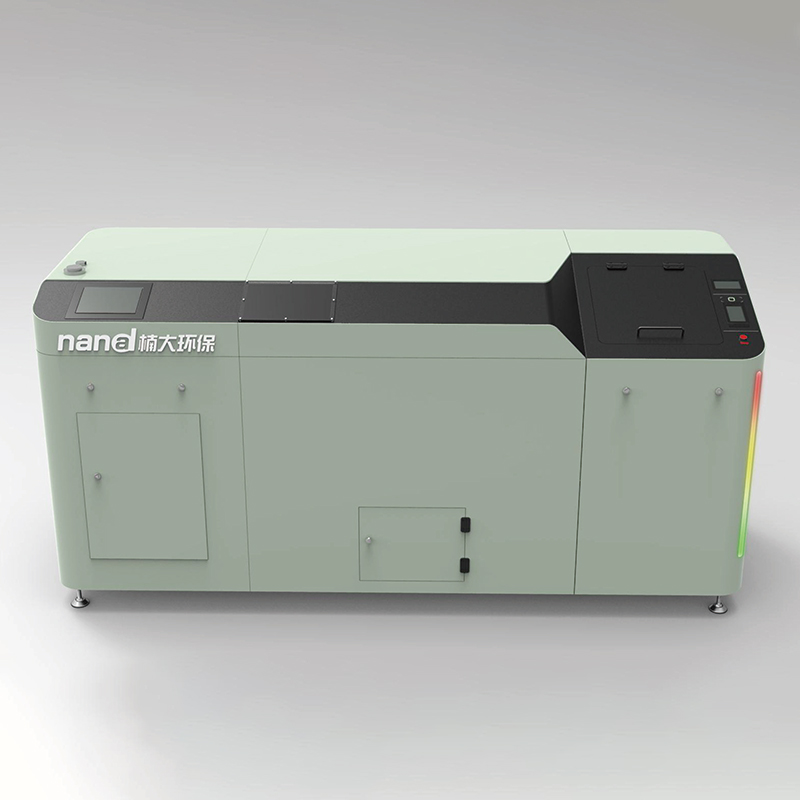 Nanda Trans Series-200
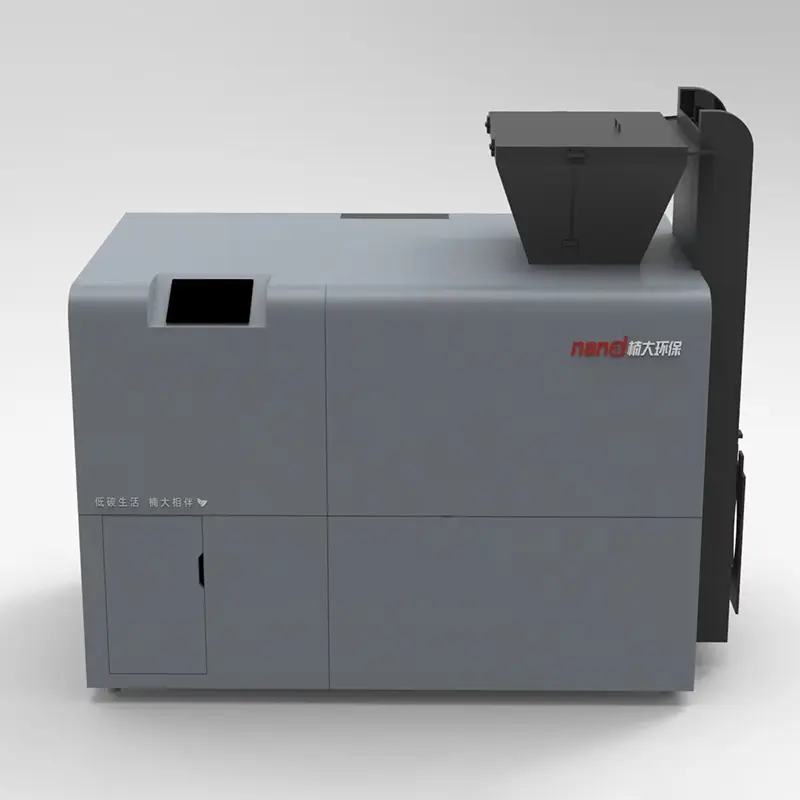 Nanda Trans Series-500
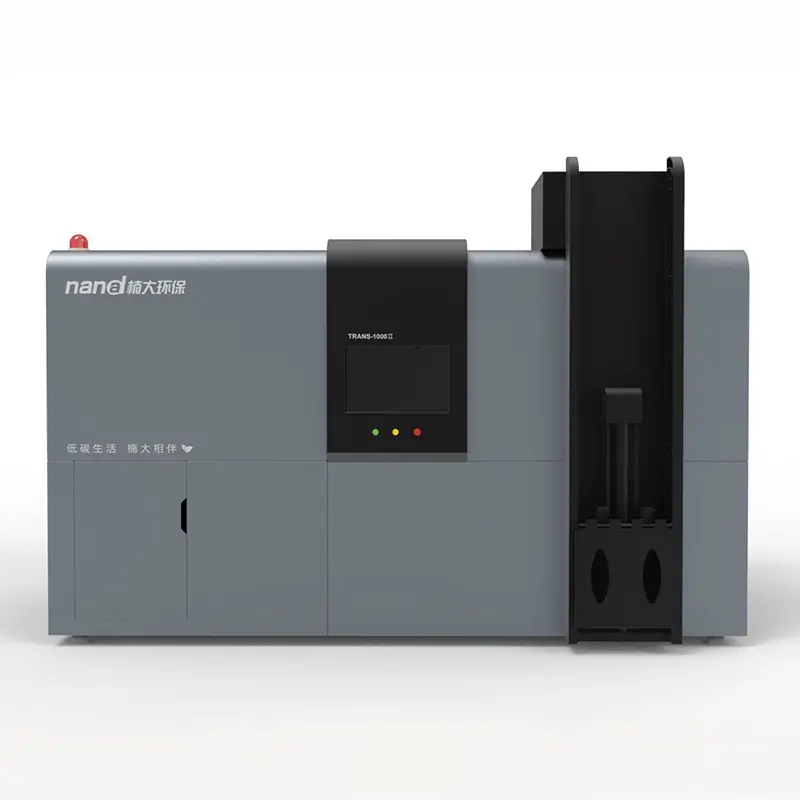 Nanda Trans Series-1000
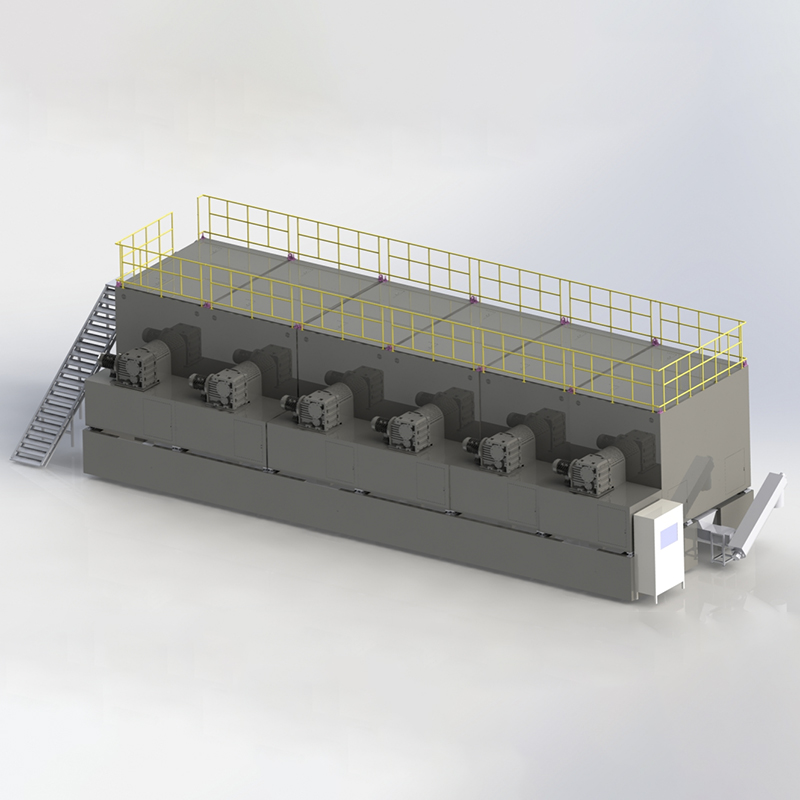 Nanda Trans Series-30000
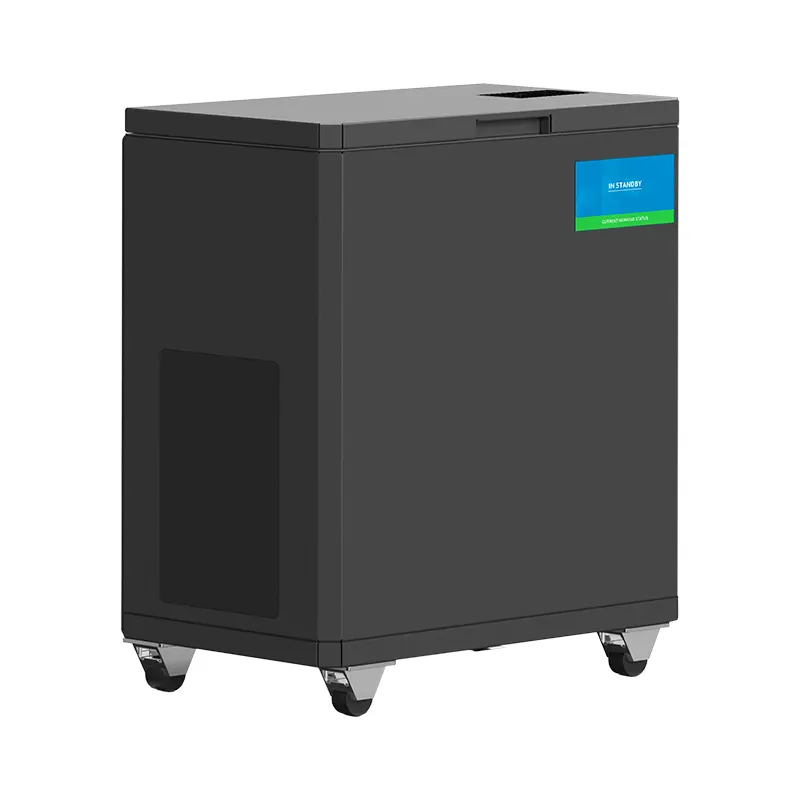 Nanda Thermax Series-100
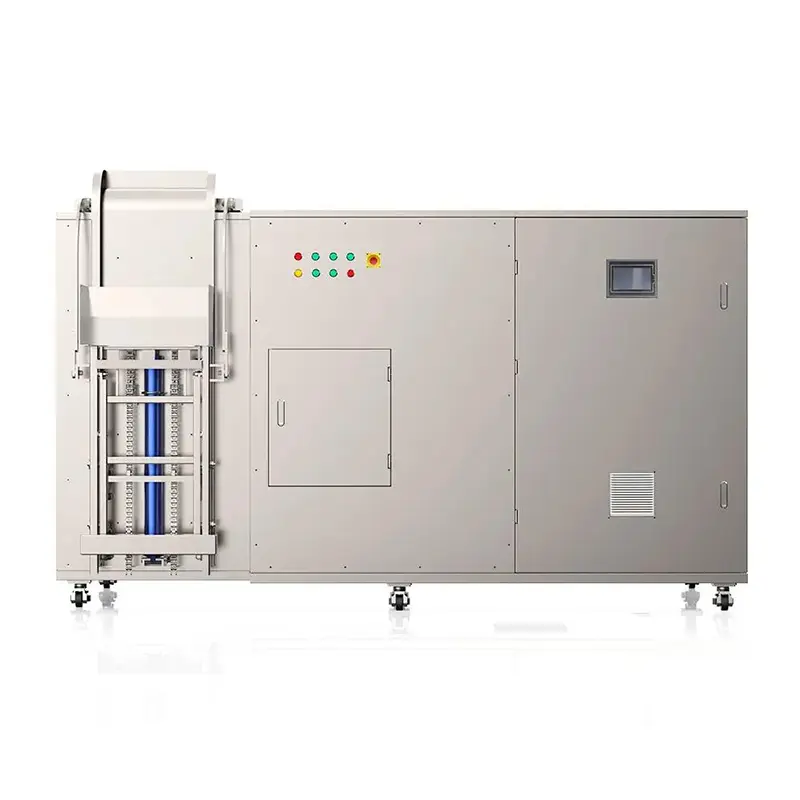 Nanda Thermax Series-200
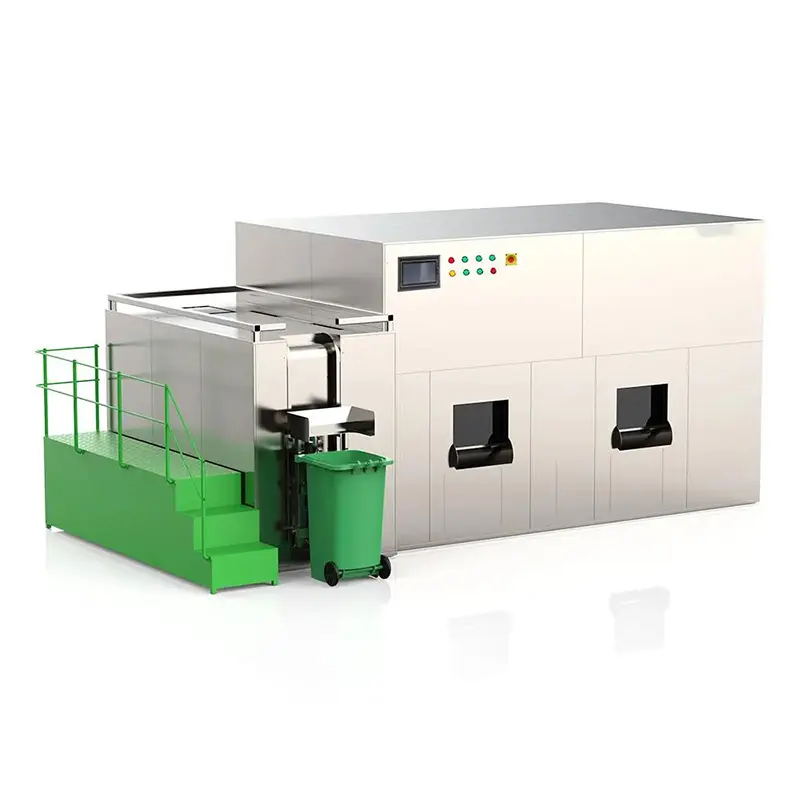 Nanda Thermax Series-2000
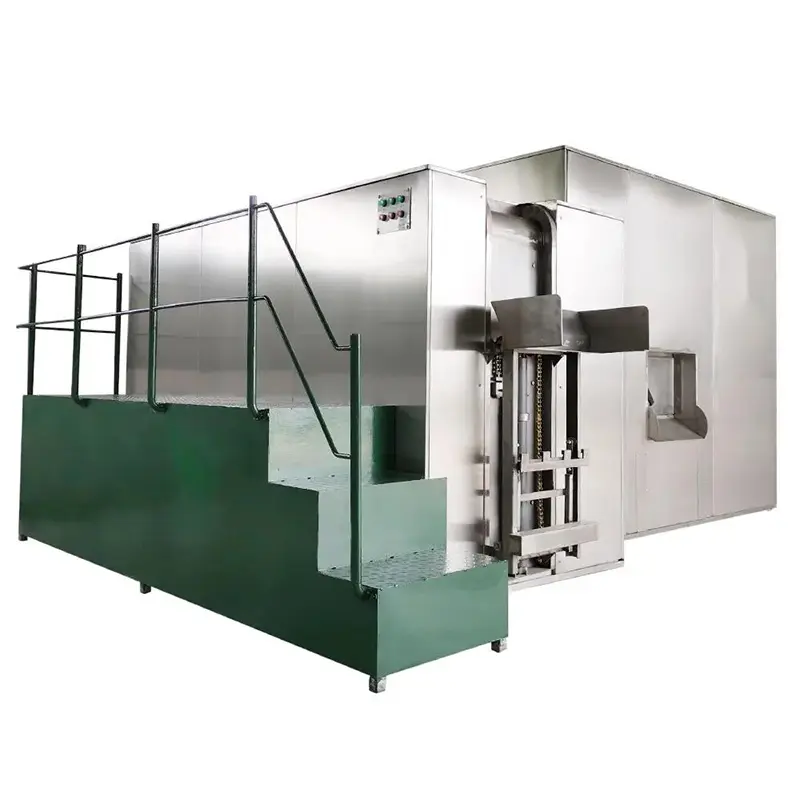 Nanda Thermax Series-10000
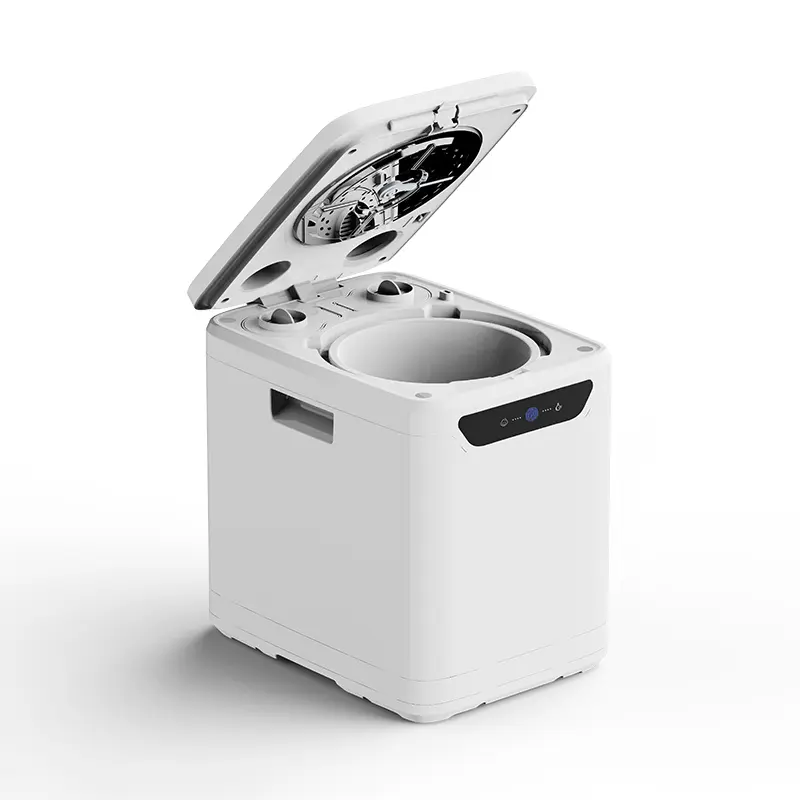 Nanda Turbo Series-3.5L-016
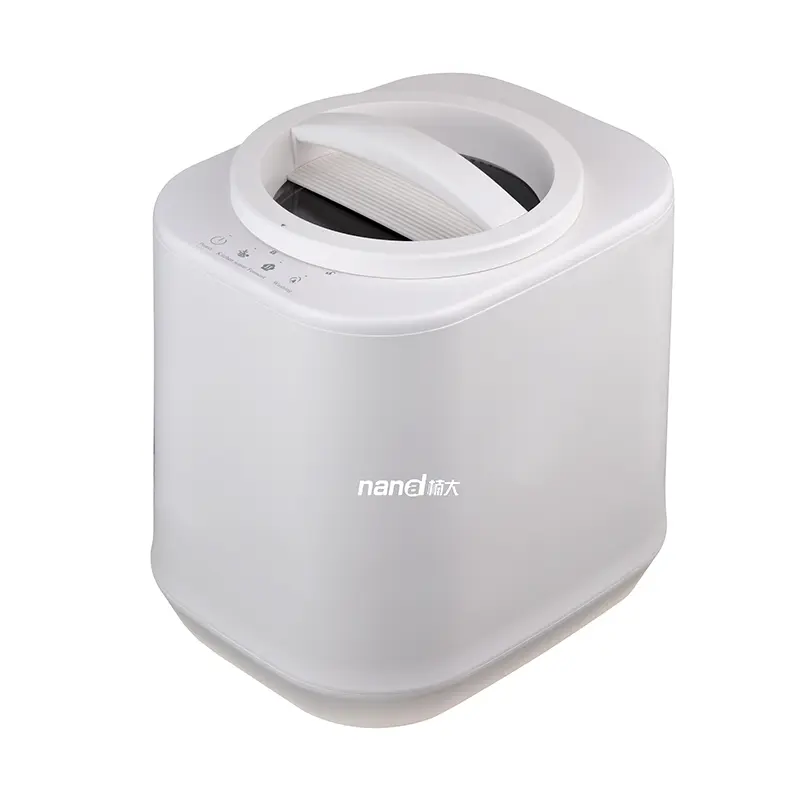 Nanda-Turbo Series-4L-011
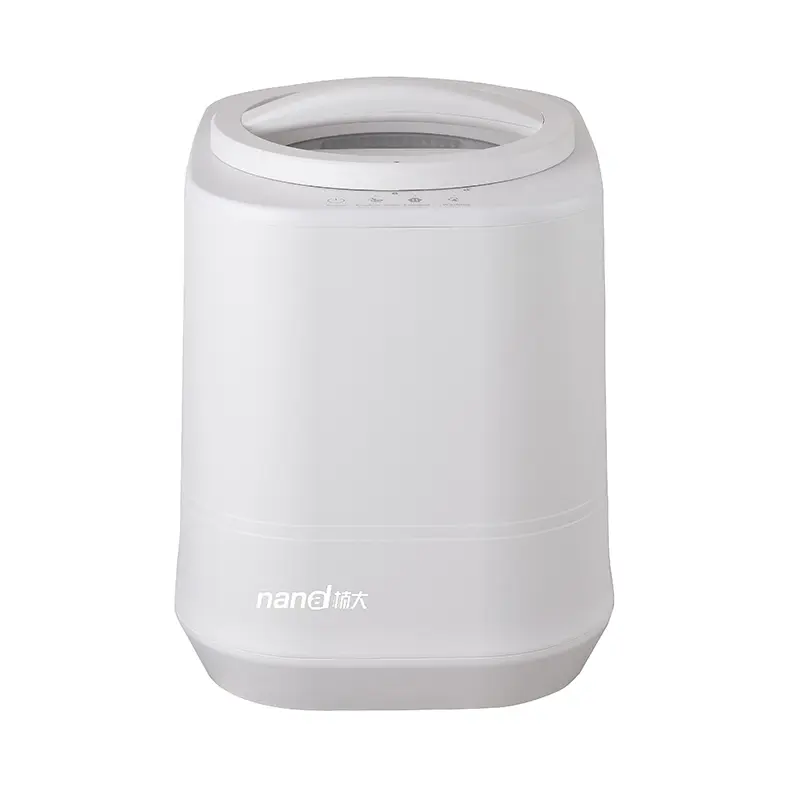 Nanda Turbo Series-4L-012
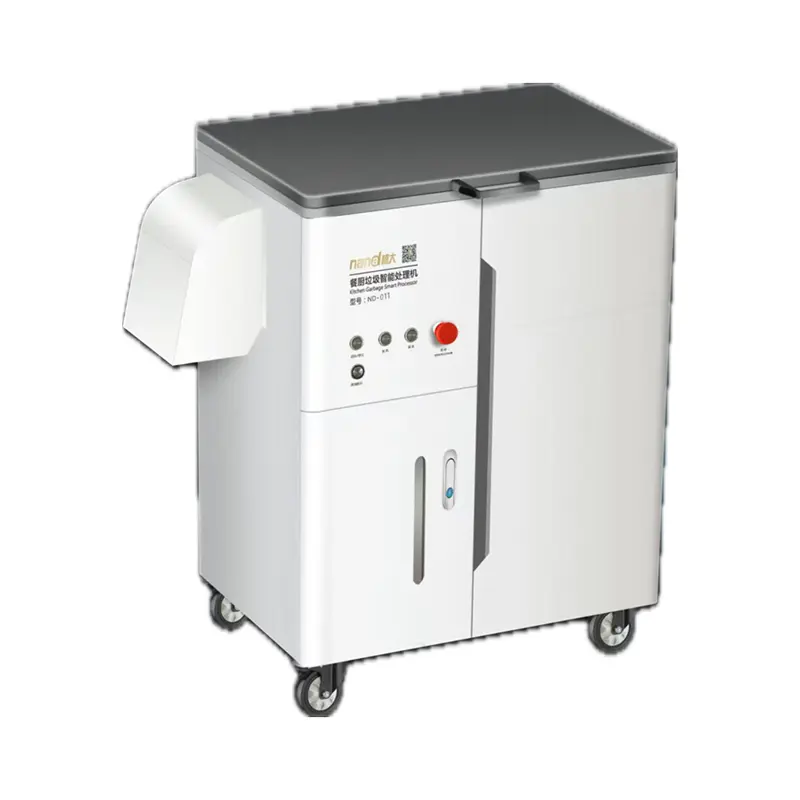 Oil-Water Separator